






Perfume Traditions Around the World
Summary
Perfumery has evolved throughout history, with unique traditions in regions such as Egypt, France, the Middle East, Asia, and Latin America. Each culture contributes specific ingredients and techniques that enrich the art of fragrance creation. Understanding these traditions enhances the experience of choosing a perfume, such as the prominent OWO perfume, which combines authenticity and quality.
Perfumery is an art that has existed since ancient times and has evolved over the centuries, incorporating diverse traditions and methods from different cultures. In this blog, we will explore perfumery traditions around the world, delving into the history, ingredients, and practices that define each region. Understanding these traditions can enrich your experience when choosing a perfume, as each fragrance tells a unique story. For those seeking the price of authentic and quality perfumes, OWO perfume stands out by offering options that combine tradition and modernity.
Ancient Egypt: The Beginnings of Perfumery
The art of perfumery dates back to ancient Egypt, where fragrances were considered sacred and used in religious rituals and funerary ceremonies. Egyptians believed that the gods were attracted to aromas, so they offered perfumes as tribute. They were made from natural ingredients such as flowers, resins, and spices.
Key Ingredients of Egyptian Perfumery
- Myrrh: Used in religious rituals.
- Frankincense: Considered a symbol of purity.
- Rose: Denoted beauty and love.
The ability to combine these ingredients has influenced the creation of perfumes to this day, and many popular aromas come from this rich heritage.
France: The Cradle of Olfactory Elegance
France has established itself as the epicenter of modern perfumery. Cities like Grasse, in the Provence region, are known as the world capital of fragrance, where specific flowers are grown for perfume making. The meticulous attention to detail and the sophistication of the aromas have made French perfumes synonymous with luxury and quality.
The Perfume Creation Process in France
The perfume creation process in France follows a traditional approach that includes:
- Ingredient Selection: Only the best natural ingredients are used.
- Distillation: Meticulous methods to ensure the purity of the scents.
- Maceration: A process in which the mixture is left to rest to infuse the aromas.
This ensures that every OWO perfume and other prestige brands capture the pure essence and identity of the ingredients.
Middle East: Traditions of Color and Richness
In the Middle East, perfumery has a deep cultural significance. The use of essential oils and perfumes is an integral part of social and religious traditions. Fragrances are seen as a way to express identity and social status.
Characteristics of Middle Eastern Perfumes
- Use of Agarwood: This ingredient is fundamental in many Arab perfumes and is considered a symbol of luxury.
- Unique Blends: Fragrances are usually more intense and longer-lasting compared to Western ones.
- Community Values: Gifting perfume is a sign of friendship and hospitality.
Thus, perfumes not only become an olfactory matter but also a deep social and cultural experience.
Asia: Diversity in Aromas and Styles
Asia presents a rich diversity in perfumery traditions, from India to Japan. Each region has its unique approach, reflecting its cultures and values. In India, the use of spices and flowers is common, while in Japan, the delicacy of subtle aromas stands out.
Perfumery in India
Perfumery in India has ancient roots, focusing on the presentation of essential oils. Often, ingredients include:
- Sandalwood: Aromatic and calming.
- Jasmine: Used in celebrations and festivities.
- Rose: Symbolically important in Indian culture.
The variety of perfume oils available gives consumers a wide range of options to choose from, adapting each scent to specific occasions.
Perfumery in Japan
Japanese tradition is characterized by its minimalist and harmonious approach, using ingredients such as:
- Yuzu: A fresh citrus that evokes nature.
- Green Tea: A soft aroma that symbolizes tranquility.
- Pine: Represents connection with the earth and serenity.
The perfume creation process in Japan is based on aesthetics and design philosophy, where simplicity is key.
Latin America: Authentic and Traditional Aromas
In Latin America, perfumery is enriched by indigenous traditions that use ingredients such as native herbs and flowers. The use of these elements is not only due to their beauty but also to their healing properties.
Characteristics of Perfumery in Latin America
- Use of Native Plants: Such as copal and passion fruit, which are used in rituals and celebrations.
- Unique Combinations: Each region creates blends that reflect its unique culture.
- Focus on Nature: Connection with biodiversity is fundamental in product creation.
Therefore, when choosing a perfume in Latin America, consumers not only get a fragrance but a piece of the region's rich culture.
The Evolution of Perfumery: A Past and a Future
Throughout history, perfumery has evolved in response to cultural influences, technological innovations, and the increasing demand for personalized products. With the advent of the digital age, it is easier than ever to explore and acquire perfumes from different traditions.
OWO Perfume and Its Contribution to Diversity
The OWO perfume stands out by paying homage to perfumery traditions around the world, combining ingredients from various cultures to create unique perfumes. This brand promotes authenticity and quality, satisfying the needs of the most demanding consumers.
The Importance of Choosing the Right Perfume
When choosing a perfume, it is essential to consider not only the scent but also the story behind it. Understanding the cultural roots and creation methods can make a big difference in your choice. Additionally, exploring the right price for each type of perfume will allow you to make informed and satisfying decisions.
An Invitation to Explore Everything
Learning about perfumery traditions is a fascinating journey that reveals the essence of diverse cultures. We invite you to explore these worlds of aromas and discover how each fragrance can tell a unique story. Whether you choose OWO perfume or any other, remember that every scent is a connection to the past and a promise for the future. Dare to immerse yourself in this olfactory experience and find the fragrance that resonates with you!
Linked product
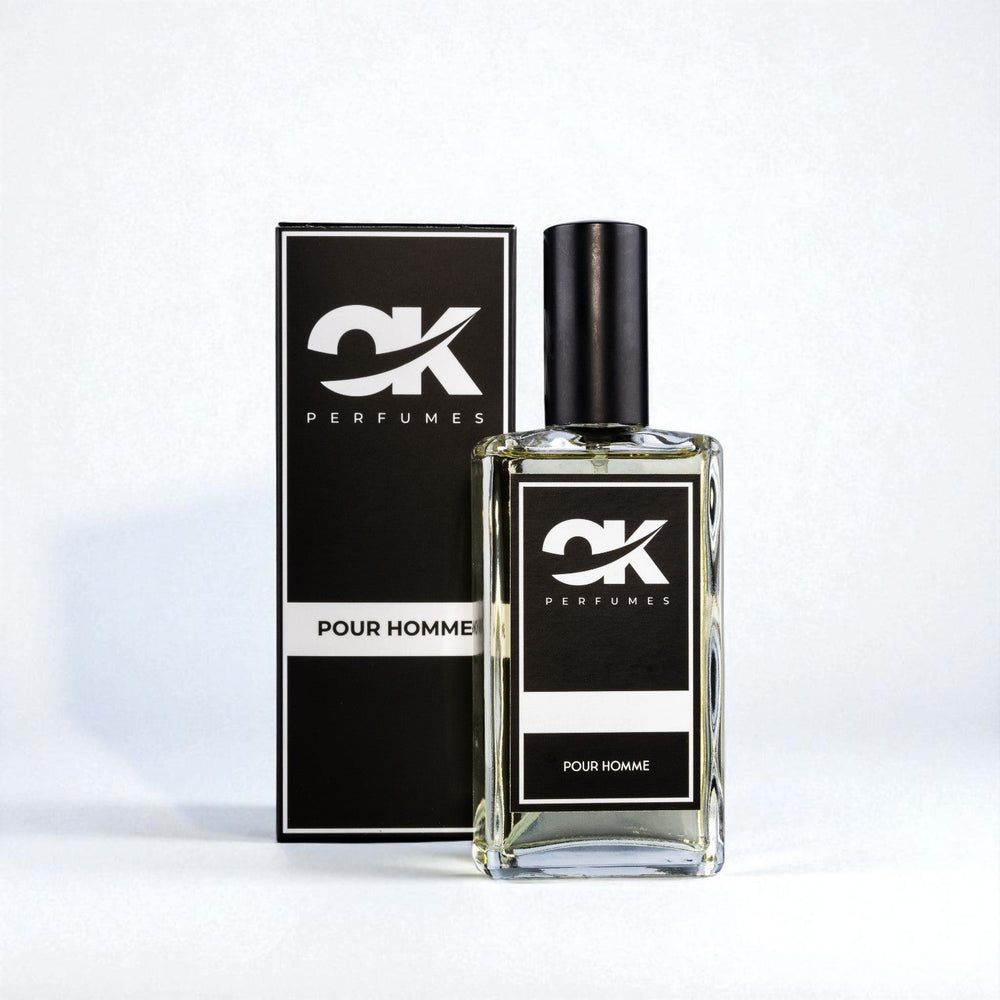
OWO - Reminiscent of Tom Ford's Oud Wood
OWO - Reminiscent of Tom Ford's Oud Wood is a fragrance that evokes the rich tradition of perfumery, with deep and warm notes similar to the iconic Oud Wood. Ideal for those seeking an olfactory experience that combines sophistication and an exotic touch, this fragrance can be an excellent complement for special occasions or daily use. With its aromatic profile, it allows exploring the connection between perfumery and the cultural traditions of different parts of the world.
View product





Leave a comment