






Discover the Chemistry of Fragrances and How They Work
Summary
Fragrances have been part of human culture for millennia, combining essential oils, synthetic compounds, and solvents. Understanding their composition and notes (top, heart, and base) helps in choosing the right perfume. Fragrances evoke emotions and memories, and their choice reflects personality. It's important to test perfumes, consider the season, and store them correctly to maintain their quality.
Fragrances have been part of human culture for millennia, evoking emotions and memories through their scents. But have you ever wondered how perfumes actually work? In this article, we will delve into the chemistry behind perfume, exploring the different ingredients and their interaction to create captivating fragrances. We will also talk about men's aquatic perfume and the best approaches to choosing the right fragrance for you.
The Composition of Fragrances
Fragrances are composed of a combination of essential oils, aromatic compounds, and solvents, all working together to produce the scent we perceive. Each element plays a crucial role, and their proportion can dramatically alter the olfactory experience. Below, we break down the main components:
1. Essential Oils
Essential oils are the base of many fragrances. They are extracted from plants, flowers, fruits, and even wood. These oils are the pure essence of the aromatic source they come from and can be natural or synthetic. For example, bergamot oil is often used in perfumes as a top note thanks to its freshness.
2. Synthetic Aromatic Compounds
Synthetic compounds are chemically created to imitate the smells of essential oils. These are used to produce notes that cannot be obtained naturally. Synthetics allow for the creation of unique and innovative fragrances. For example, the Calone molecule is used in aquatic perfumes, providing a fresh and marine sensation, perfect for a men's aquatic perfume.
3. Solvents
Solvents are the vehicles that carry the oils and aromatic compounds. Alcohol is the most common solvent in perfume manufacturing, as it helps dissolve the oils and diffuse the scent when applied to the skin.
Perfume Notes
Fragrances are built in layers, known as notes. Generally, there are three types of notes that make up a perfume:
- Top notes: These are the first to be perceived when applying the perfume. They are usually fresh and light, such as citrus or herbs.
- Heart notes: These appear once the top notes evaporate. These notes are usually softer and floral.
- Base notes: These are the most long-lasting and deep, and can include woods, vanilla, or amber. These notes are felt after the perfume has been on the skin for a while.
The Science of Smell
The sense of smell has a significant impact on our emotions and memories. When we inhale a scent, the perfume molecules interact with the olfactory receptors in our nose. This signal is sent to the brain, where it can evoke memories and feelings. In this way, a simple fragrance can transport us to happy moments or trigger nostalgia.
Fragrance Space and Personality
The choice of a fragrance has a lot to do with each individual's personality. Some people prefer light and fresh scents, like the best aquatic perfumes, while others lean towards more intense and passionate fragrances. It is imperative to understand that our skin chemistry, diet, and even the environment can influence how a perfume develops on our body.
What Makes a Perfume Special?
Beyond the simple mixture of ingredients, there are several factors that can make a perfume special:
- Quality Ingredients: Perfumes that use high-quality ingredients tend to have more complex and long-lasting fragrances.
- Creativity and Originality: The skill and creativity of the perfumer in combining different notes can lead to unique fragrances that stand out in the market.
- Personalization: Some perfumers offer the option to create personalized fragrances, allowing consumers to have a tailor-made fragrance that reflects their personality.
Cultural Impact of Fragrances
Fragrances have a profound cultural significance globally. Throughout history, they have been used as a symbol of status, tools of seduction, and in spiritual rituals. Different cultures have different approaches to the use of perfumes and the ingredients they consider sacred.
The Evolution of Fragrance Through Time
From the ointments of ancient civilizations to today's luxury perfumes, fragrance has evolved enormously. By following the history of perfumes, we can see how our ancestors appreciated and used fragrances in their daily lives. This rich heritage has influenced current trends and consumer preferences.
Tips for Choosing Your Ideal Perfume
Choosing the right perfume can be an overwhelming task, given the multitude of scents and styles available. Here are some tips that can help you find the perfect perfume:
- Know your preferences: Identify which types of scents you like best. Do you prefer light and aquatic fragrances or more earthy and woody scents?
- Try before you buy: It's always best to test a perfume on your skin before buying it. Fragrances can smell different on everyone due to skin chemistry.
- Don't forget the seasons: Some fragrances may be more suitable for different times of the year. For example, fresh and aquatic perfumes are ideal for summer.
- Ask for advice: Don't hesitate to ask experts or trusted people for their recommendations. Sometimes, hearing others' opinions can open your mind to new possibilities.
The Importance of Fragrance Preservation
Fragrances must be stored correctly to preserve their integrity and longevity. Exposure to sunlight, heat, and humidity can break down their aromatic compounds. Make sure to store your perfumes in a cool, dark place to maximize their shelf life.
The Moderate Use of Fragrances
While fragrances are a beautiful form of personal expression, excessive use can be overwhelming for those around us. It is more effective to apply just a touch to key areas like the neck and wrists, allowing the scent to develop gradually throughout the day.
Fragile, but Fabulous
Fragrances are an art that combines science and creativity, using complex chemical interactions to generate scents that touch our soul. Understanding how they work and how to choose the right perfume can transform your experience with fragrances. Feel free to explore and enjoy the fascinating world of perfumes, from the best scents to exceptional men's aquatic perfumes. Let your fragrance speak for you and tell your story!
Linked product

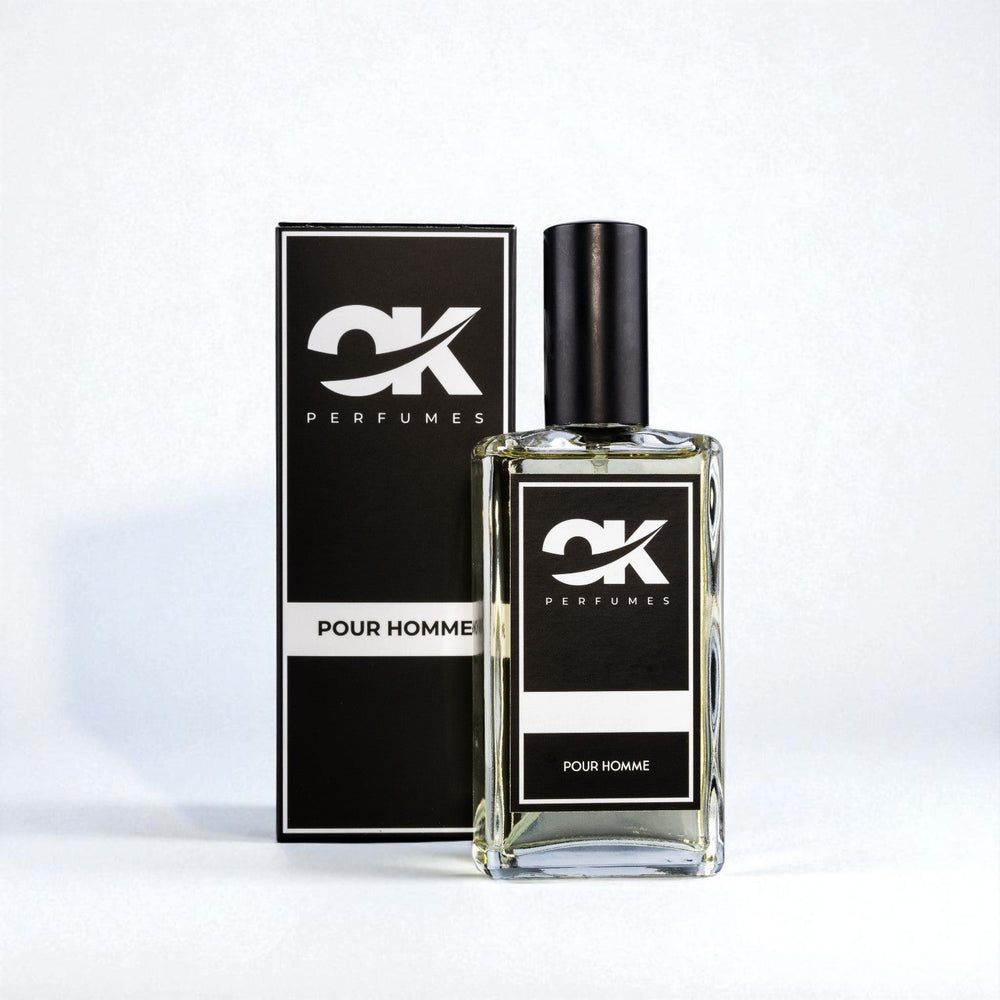
CWT - Reminiscent of Davidoff's Cool Water
CWT - Reminiscent of Davidoff's Cool Water offers a fresh and aquatic scent, ideal for those seeking a versatile perfume that adapts to any occasion. Its simple composition evokes the essence of the 90s, providing a sense of freedom and freshness. Perfect for those who want to enjoy a touch of nostalgia in their daily lives.
View productCheck out another user's Shopify or Wix store by clicking this store link. Note that this is a promotional link, and we assume no liability for the content of the linked store.





Leave a comment