






The History of Perfumery: An Aromatic Journey
Summary
Perfumery, an ancient art, has evolved from its beginnings in ancient civilizations like Egypt, where fragrances were used in rituals, to become a multi-billion dollar industry today. Throughout history, it has reflected cultural and social changes, with innovations in production techniques and a growing interest in natural ingredients and personalization. Currently, perfumery offers a wide variety of options, from unisex fragrances to niche brands, while the future focuses on sustainability and new technologies.
Since the dawn of civilization, humans have sought ways to express themselves and feel good through scents. Perfumery is one of the oldest forms of art and science that has evolved over centuries, reflecting cultural, technological, and social changes. In this article, we will embark on a journey through the history of perfumery, from its origins in antiquity to its flourishing in the present day.
The Beginnings of Perfumery in Antiquity
The use of fragrances dates back to the ancient civilizations of Egypt, Mesopotamia, and the Indus Valley, where aromas were used not only for personal pleasure but also in religious and ceremonial rituals. The Egyptians, in particular, were pioneers in the art of perfumery. Their knowledge of extracting essences from plants introduced the concept of essential oils into Western culture.
Egypt: The Cradle of Perfumery
In Egypt, perfumes were so highly valued that they were offered to the gods. The lotus flower, myrrh, and frankincense were among the most commonly used ingredients. Furthermore, it was during this era that the first distillation techniques were developed, allowing for the extraction of essential oils in purer forms. Perfumes were used in everything from skin ointments to cosmetic treatments.
Perfumery in Ancient Greece and Rome
With the rise of Greek culture, perfumery became a common practice in society. Generally, the Greeks blended harmless oils with flower and herb essences to create fragrances known for their soapy scent, ideal for personal care. Additionally, perfumery began to be associated with social status. The more refined and expensive the fragrances, the greater the prestige of the user.
Roman Influences
The Romans, adopting Greek customs, further elevated the art of perfumery. They developed new techniques for fragrance production and also began to use perfumes in the public sphere. Romans were said to use fragrances at banquets, ceremonies, and even in the military. This led to the creation of a significant market for perfumery, with prices that could vary enormously depending on the ingredients used.
The Renaissance: A New Era for Aromas
During the Renaissance, perfumery experienced a resurgence in Europe. Royal houses began to place great emphasis on fragrances as a symbol of luxury and wealth. Perfume-making techniques were perfected, and exotic essences from the East began to be imported, further enriching the palette of aromas.
The Creation of Eau de Cologne
One of the milestones in the history of perfumery is the creation of eau de cologne in the 18th century. This type of fragrance, combining fresh citrus with deeper essences, became extremely popular and laid the groundwork for the modern colognes we know today. The demand for eau de cologne and other perfumes began to grow, leading to a new era of trade and pricing in perfumery.
The 20th Century: Innovation and Diversification
With the arrival of the 20th century, perfumery modernized even further. The chemical industry began to develop new synthetic compounds that could replicate natural odors and create fragrances never before seen. This advancement allowed perfumers to experiment beyond what natural ingredients permitted.
The Birth of Designer Fragrances
The popularity of fragrances also led to the emergence of iconic brands. From Chanel No. 5 to Dior, fashion houses not only began to create clothing but also perfumes that resulted in great commercial success. These brands created unprecedented marketing attention, where perfumes were presented as objects of desire and luxury. Prices reflected quality, brand, and exclusivity.
Contemporary Perfumery
Today, perfumery is a multi-billion dollar industry with an impressive diversity of brands, styles, and prices. Globalization has allowed people worldwide to access fragrances from different cultures, enriching the olfactory experience. Additionally, the focus on sustainable ingredients and natural fragrance has gained momentum in recent decades.
Current Trends in Perfumery
- Naturalistic Scents: There is a growing interest in fragrances that involve organic and natural ingredients.
- Personalization: Consumers seek unique fragrances that reflect their personality, leading brands to offer customization options.
- Unisex Fragrances: Renowned brands have begun to launch collections that are not limited by gender, offering scents that can be worn by both men and women.
- Niche Perfumery: The emergence of niche perfumery brands that create artisanal fragrances has revolutionized the market, offering exclusive and often more authentic options.
The Future of Perfumery
Looking to the future, perfumery will continue to evolve. Technology is advancing, and new methods for creating aromatics are on the way. Furthermore, environmental concerns are influencing how perfumes are produced and marketed, with a prioritization of ecological and sustainable alternatives.
A World of Aromatic Possibilities
Over time, perfumery has become a reflection not only of culture and times but also of human emotions and experiences. Each fragrance has a story to tell, and the personal connection between scents and our memories is what has made perfumery an enduring art.
Exploring the world of perfumes is an adventure that never ends. Whether you are looking for a soapy scent for daily use, a special fragrance for events, or simply wish to learn more about the topic, the vast universe of perfumery will surely have something to offer you. In the end, every scent you choose will not only speak of you but also of the rich history it carries. Embark on this sensory journey and discover the power of aromas!
Linked Product

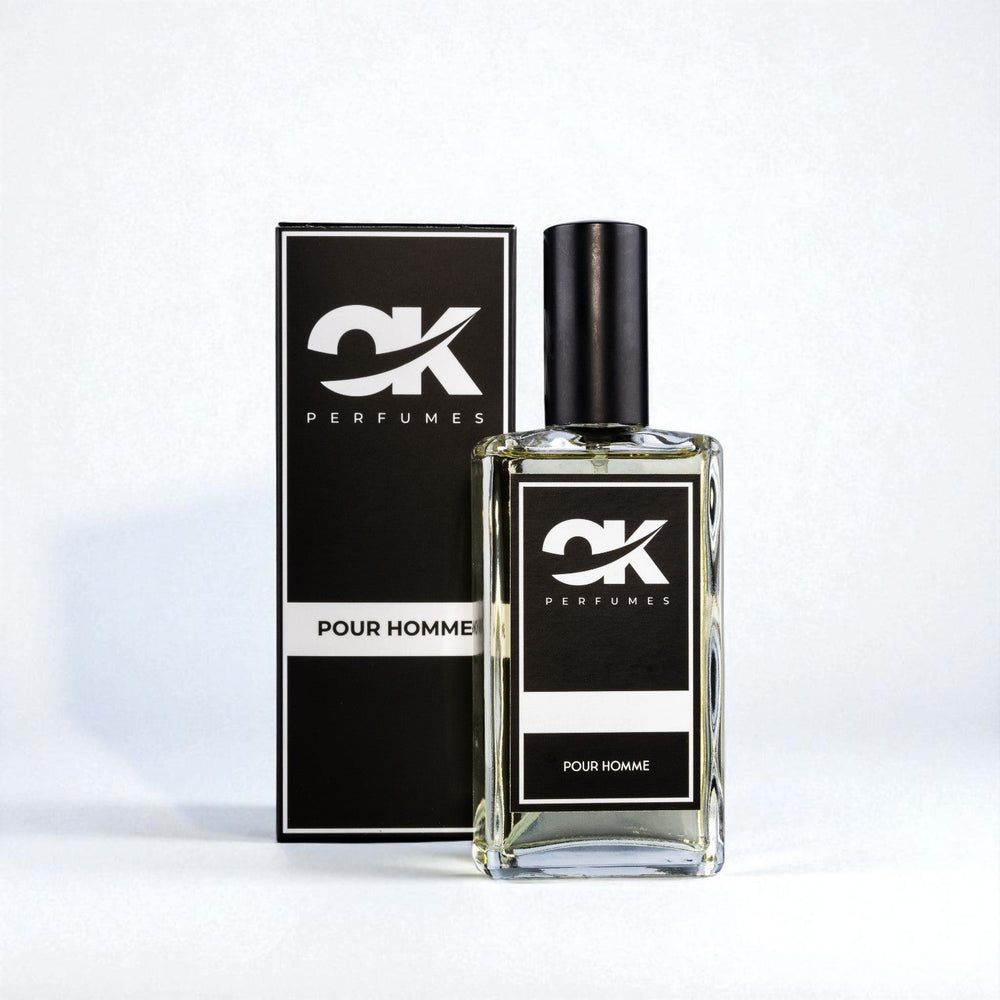
ESV - Reminiscent of Eau Sauvage (1966) by Dior
ESV - Reminiscent of Eau Sauvage (1966) by Dior offers a masculine fragrance that combines citrus notes with a soapy touch, creating a unique and original olfactory profile. Ideal for warm climates and everyday situations, this perfume has a serious and professional character, distinguishing it from more festive fragrances. Its scent suggests timeless elegance, perfect for those seeking a fresh and sophisticated option.
View productExplore the creations of a fellow Shopify or Wix store owner. Follow this link to their online store. Please be advised that this is a promotional link, and we cannot guarantee the content of the linked store.





Leave a comment