






Discover the Essential Ingredients of Perfumes
Summary
The creation of perfumes combines art and science, using essential ingredients such as top, heart, and base notes. Both natural and synthetic ingredients are highlighted, each with its advantages. Equivalency in perfumery allows for the creation of accessible fragrances, like those from CWT. Currently, there is a growing interest in sustainable and personalized perfumes. Choosing a fragrance reflects personality and the dedication of perfumers.
The creation of perfumes is an art and a science that has fascinated humanity for centuries. Each fragrance tells a unique story, and at the heart of every creation are ingredients that are fundamental to its character and its relationship with those who wear it. In this article, we will explore the most common ingredients in perfume creation, including their importance and how they contribute to the olfactory experience. We will also touch on the relationship between fragrances and the equivalency established in the world of perfumery, highlighting the popularity of CWT perfume in this field.
The Foundation of Every Perfume: Notes and Accords
To understand perfume ingredients, it is essential to become familiar with two key concepts: notes and accords. Notes are divided into three groups: top notes, heart notes, and base notes. Each group plays a key role in the evolution of the fragrance.
Top Notes
Top notes are the first to be perceived when applying a perfume. They are usually fresh and light, and they help create a first impression. Common ingredients include:
- Citrus fruits such as lemon, bergamot, and orange.
- Fresh herbs such as mint and rosemary.
- Fruits such as pineapple and apple.
Heart Notes
After the top notes dissipate, the heart notes emerge. They form the body of the fragrance and are usually softer and more complex. Some frequently used ingredients at this stage are:
- Flowers such as rose, jasmine, and lavender.
- Spices such as cinnamon and cardamom.
- Aquatic notes that provide freshness.
Base Notes
Base notes are what give the fragrance its longevity. They develop after the heart notes have evaporated and are fundamental to the perfume's persistence. Some of the most commonly used ingredients are:
- Woods such as sandalwood and cedar.
- Resins and balsams.
- Animalic scents such as amber and musk.
Natural vs. Synthetic Ingredients
An important aspect of perfume creation is the choice between natural and synthetic ingredients. Each type has its advantages and disadvantages.
Natural Ingredients
Natural ingredients come from botanical and animal sources. Some of the most popular include:
- essential oils from plants.
- Flower and herb extracts.
- Animal ingredients, such as musk.
However, this option can be expensive, and its availability can fluctuate, depending on the harvest and biodiversity.
Synthetic Ingredients
Synthetic ingredients are made in a laboratory and can replicate the aroma of natural ingredients. They have several advantages:
- They are more accessible and economical.
- They allow for greater consistency in quality.
- They offer the possibility of creating aromas that do not exist in nature.
Essential Ingredients in Perfumery
Now that we have covered the types of notes and natural and synthetic ingredients, let's look at some of the most used ingredients in perfume creation.
Musk
This ingredient has been present in perfumery for centuries and provides unique depth and sensuality. It is used in both its natural and synthetic forms, and its aroma is warm and earthy.
Rose
Considered the queen of flowers, rose is an essential ingredient in perfume creation. Its aroma is floral, sophisticated, and romantic, making it perfect for feminine fragrances.
Vanilla
This sweet and warm ingredient is widely used in perfumery, as it adds a touch of sweetness and comfort. Vanilla can be both a base and a heart ingredient.
Sandalwood
Sandalwood is another valuable ingredient in perfumery. Its aroma is creamy, warm, and enveloping, giving fragrances an exotic and mysterious character.
The Importance of Equivalency in Perfumery
Equivalency is a term that refers to how different ingredients or fragrances can evoke similar experiences or be in harmony with each other. This concept is vital in perfume creation, as it allows perfumers to play with formulations and create unique but complementary aromas.
The Role of CWT Perfume
In the world of equivalency, CWT perfume stands out for offering fragrances that evoke high-quality aromas at an accessible price. This approach allows more people to experience the beauty of fragrances without compromising their budget. The ability to create effective equivalencies is fundamental to capturing consumer attention in a saturated market.
Lights and Shadows in Perfume Creation
Perfume creation is not without its challenges. Perfumers must be aware of market trends, consumer preferences, and the sustainability of the ingredients they use. Furthermore, the regulation of certain natural ingredients, such as animal-derived musk, has led to an increase in the use of synthetic alternatives. However, this has opened the door to exciting innovations in the world of perfumery.
Current Trends
In recent years, we have seen an increase in demand for transparent and sustainable perfumes, where consumers are more interested in the origin of ingredients. This has led many brands to reconsider their approach and adopt more environmentally friendly practices. There has also been a growing interest in personalized and exclusive fragrances, where customers can experience them individually.
A Sensory Journey
The creation of perfumes is a journey that combines creativity, intuition, and technical knowledge. Ingredients play a crucial role in this process, as each one has the power to transform a mixture into a memorable fragrance. From the fresh scent of citrus to the warmth of vanilla, each essence tells a story.
With information on the importance of equivalency and the concept of CWT perfume, we are better prepared to appreciate the richness of perfumery. The next time you choose a perfume, consider its composition and the ingredients that make it unique. The fragrance you choose not only reflects your personality but also the hard work and passion of those who dedicate their lives to this art.
Explore the World of Fragrances!
Now that you know the most common ingredients in perfume creation, it's the perfect time to explore new fragrances. Whether you're looking for something fresh, floral, oriental, or woody, each scent has the potential to inspire you and connect you with your deepest feelings. Don't hesitate to experiment and find the essence that best suits you. Your olfactory journey awaits, enjoy it to the fullest!
Linked Product

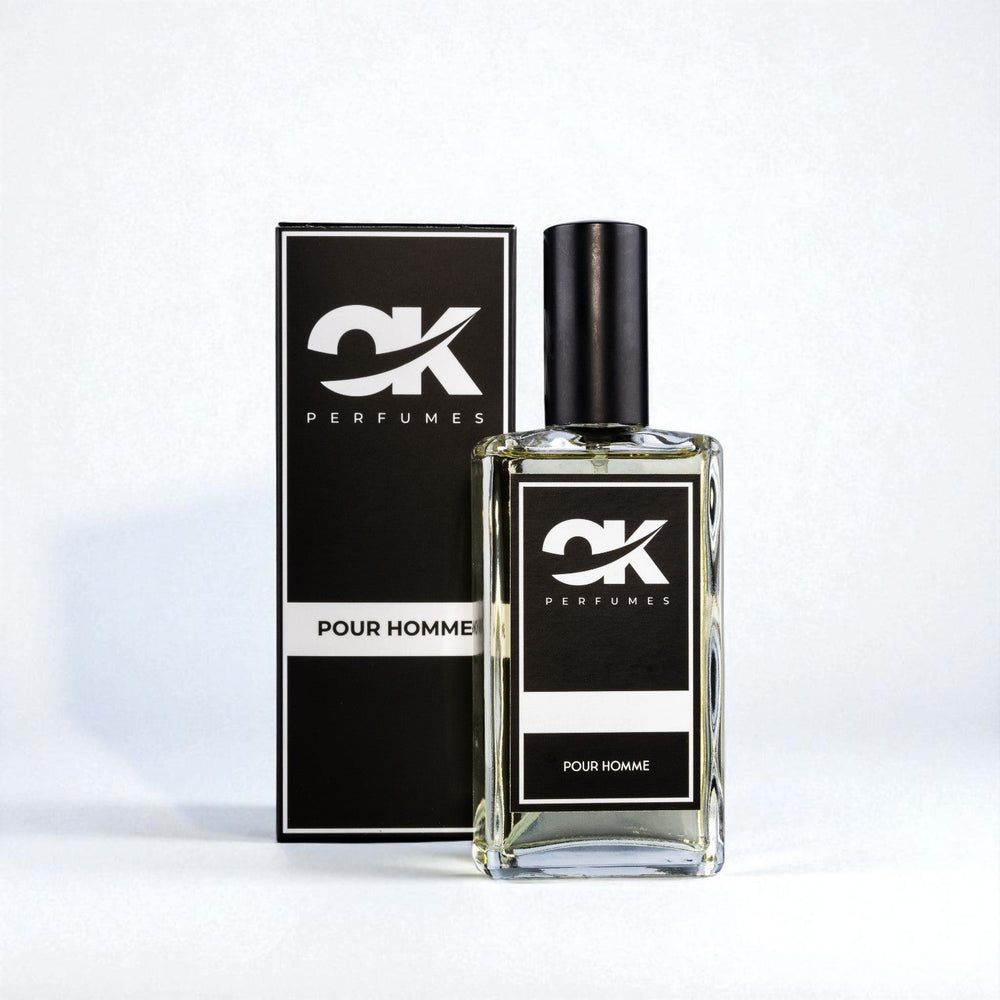
CWT - Reminiscent of Davidoff's Cool Water
CWT - Reminiscent of Davidoff's Cool Water offers a refreshing scent that captures the essence of the 90s, making it ideal for those seeking a classic yet versatile fragrance. Its aquatic notes evoke a sense of freedom and connection to nature, perfect for both everyday wear and special occasions. Whether you're at home or out and about, this fragrance provides a nostalgic escape that can elevate your mood and style.
View product





Leave a comment