






Fascinating History of Perfumery: An Aromatic Journey
Summary
Perfumery has evolved over the centuries, from its origins in ancient civilizations to the present day. This article explores its history, the cultural impact of fragrances, the modernization of production, and the importance of choosing quality perfumes in a world that values sustainability and personalization.
Perfumery has been an art form and personal expression that has endured throughout the centuries. From its origins in ancient civilizations to its current state, perfumes have played a crucial role in human culture. In this article, we will take a tour through the history of perfumery, exploring its evolution, the cultural significance of fragrances, and the importance of quality in the art of perfuming.
The First Steps of Perfumery
The history of perfume dates back thousands of years. The first evidence of the use of fragrances comes from the ancient civilizations of Egypt, Mesopotamia, and the Indus Valley. During this era, perfume making was a meticulous process that involved the distillation of flowers, resins, and spices:
- Egypt: In ancient Egypt, perfumes were considered sacred and used in religious rituals, as well as in mummification. Royal women used fragrances made from myrrh, frankincense, and other precious substances.
- Mesopotamia: In this civilization, at least 13 different perfume formulas were documented on clay tablets, demonstrating the sophistication of their creation.
- Indus Valley: The inhabitants of this region created essential oils from herbs and flowers, which they used for personal care and in religious ceremonies.
Perfumery in Ancient Greece and Rome
In Ancient Greece, the art of making perfumes was considerably perfected. Greeks used fragrances not only to beautify themselves but also to make offerings to their gods. Over time, perfumery became a symbol of social status.
Fragrances and mythology
In Greek mythology, perfumes were closely linked to divinity. It was believed that the gods enjoyed fragrances and aromatic offerings. Zeus, the king of the gods, is said to have been worshipped with frankincense and myrrh.
With the expansion of the Roman Empire, perfumery spread even further. Romans adopted and adapted Greek techniques, creating an industry that included talented perfumers. In addition, fragrances began to be used not only for the body but also in environments, making every home a more attractive place.
The Renaissance and the Modern Era
During the Renaissance, perfumery began a new chapter in its history. Advances in chemistry and distillation allowed for the creation of more complex and accessible perfumes. The use of essential oils became popular, and the quality of ingredients became a paramount aspect.
The influence of the French court
At the court of Louis XIV, the "Sun King," perfumery reached unprecedented heights. Fragrances became a fashion accessory. The king himself was a great lover of perfumes, which promoted their massive use among the aristocracy. This period is fundamental in the history of perfumery, as quality standards began to take shape, laying the groundwork for today's ESV perfume industry.
The Industrial Revolution and the Modernization of Perfumery
With the advent of the Industrial Revolution in the 19th century, perfume production became industrialized. New production techniques were introduced, and synthetic notes began to be used, allowing for a variety of aromas that could not be obtained before. However, this also posed a challenge: the quality of perfumes began to diversify.
Some brands began to focus on creating high-quality fragrances, while others doubled production using inferior ingredients. Today, it is essential for consumers to be able to distinguish between superior quality perfumes and those that are not.
The 20th Century: Innovation and Aromatic Diversity
The 20th century brought an explosion of creativity in the perfumery industry. Various design houses began to launch their own fragrances, making perfume an important symbol of pop culture. By the end of this century, the world of fragrances became more accessible, although quality remained a critical aspect. Some perfumers continued to use traditional production methods, which further elevated the quality of their products.
New trends
As technology advanced, trends such as niche perfumes emerged, which would focus on creating unique and high-quality aromas. These fragrances are designed for a specific audience that appreciates the art of perfumery and is willing to invest in quality. For these individuals, ESV perfume has become a popular choice, offering elegance and an exceptional olfactory experience.
Today: Perfumery in the Modern World
Today, perfumery has evolved to include a wide range of products and styles. With the growth of e-commerce, such as that found on Shopify, perfume brands now have the ability to reach a global audience. Current trends include the creation of personalized and sustainable fragrances.
Today's consumers not only seek pleasant smells but also care about the quality and origin of ingredients. This has led to an increase in demand for handmade and eco-friendly perfumes, where quality is a priority. In addition, traceability and transparency have gained much importance among customers.
The Art of Choosing a Perfume
Choosing a perfume can be both an exciting and daunting task. With so many options available, it is vital to understand some aspects before making a purchase. Here are some tips to help you choose the perfect fragrance:
- Know your skin type: Fragrances can smell different depending on your skin chemistry. It is always advisable to try a sample before making a decisive purchase.
- Consider the occasion: Some perfumes are more suitable for day and others for night, or even for special events. Consider the environment and the message you wish to convey.
- Research the brand: The quality of a perfume can be highly related to the brand's reputation. Research and make sure they use high-quality ingredients.
Journey to a World of Fragrances
The history of perfumery is, without a doubt, an aromatic journey spanning thousands of years. From ancient Egyptians to modern sophistication, fragrances have played a crucial role in human life. As the industry continues to evolve, quality and attention to detail have become more important than ever.
Whether you are a devoted fragrance enthusiast or simply looking for a new essence, remembering the rich history of perfumery can make your choice much more meaningful and appreciated.
Exploring the fascinating world of perfumery and all its nuances can be a beautiful journey. Let each aroma tell you a story and take you to new sensory horizons!
Linked Product

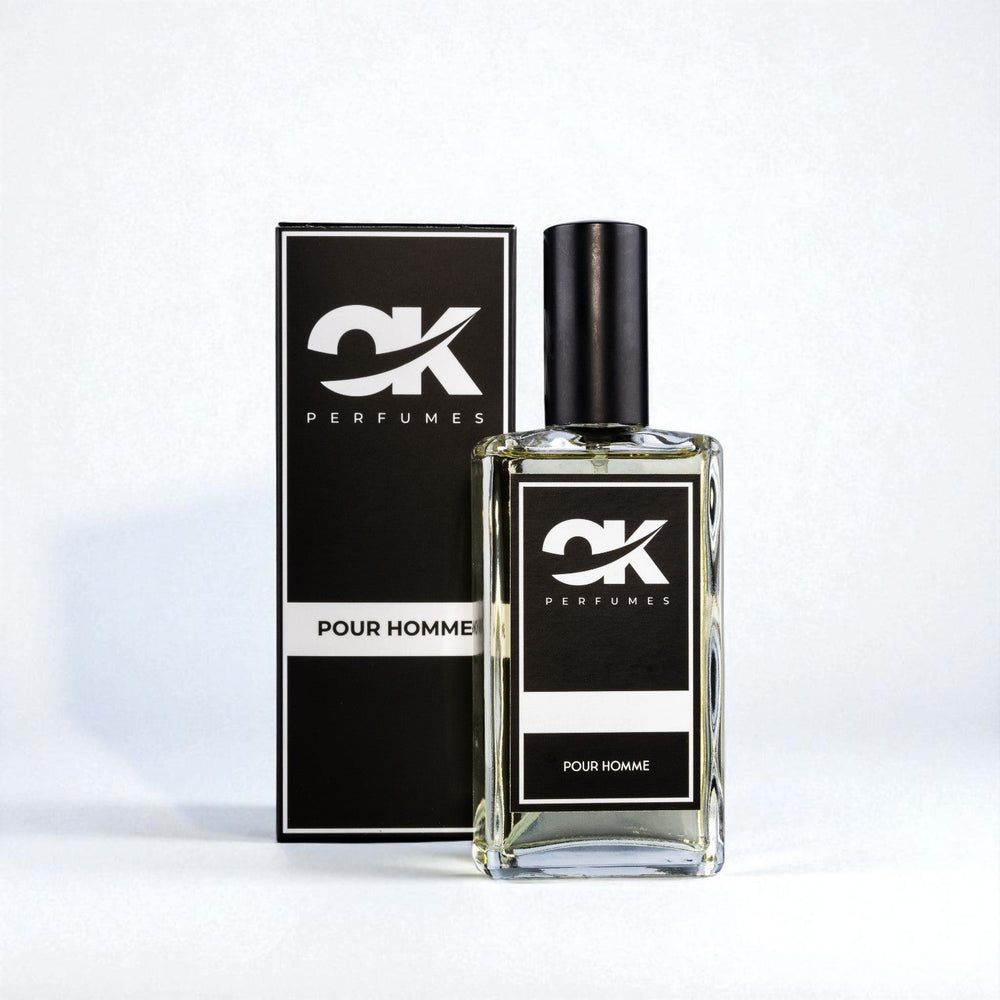
ESV - Reminiscent of Eau Sauvage (1966) by Dior
ESV - Reminiscent of Eau Sauvage (1966) by Dior offers a masculine aroma that combines citrus notes with a soapy touch, creating a unique and refreshing fragrance. This perfume is ideal for warm climates and for those seeking an option that is both elegant and distinctive for daily use. Its clean and professional character makes it a suitable choice for formal settings and special occasions.
View ProductTake a moment to explore another user's Shopify or Wix store. Visit their store through this link. Please be aware that this is a promotional link, and we cannot be held responsible for the content of the linked store.





Leave a comment