






Fascinating History of Perfumery Through Time
Summary
The history of perfumery spans thousands of years, from its origins in Mesopotamia and Egypt to its evolution today. Over time, it has passed through various cultures and has been influenced by distillation techniques, Arabian ingredients, and industrial advancements. Today, perfumery stands out for its sophistication and sustainability, reflecting contemporary trends and an emotional connection with consumers.
The history of perfumery is a fascinating journey that has unfolded over thousands of years. From antiquity to modernity, the art of creating perfumes has evolved, giving rise to diverse techniques and styles that have set trends worldwide. In this article, we will explore the history of perfumery, its origins, its evolution, and its significance in today's society. Prepare to discover a world full of aromas that have embellished human life.
The First Scents in Antiquity
The earliest records of perfumery date back to approximately 4000 B.C. in ancient Mesopotamia and Egypt. The Egyptians were experts in the art of perfumery, using a variety of essential oils extracted from plants and flowers. These aromas were not only used in daily life but also held religious significance, being employed in sacred ceremonies and rituals.
The Art of the Egyptians
In Egypt, the production of perfumes was a process that required careful attention and expert knowledge. Ingredients such as myrrh, frankincense, and flowers like lilies were used to create original perfumes that were highly valued. These perfumes were often offered to the gods and were believed to possess healing and protective properties.
Perfumery in Ancient Greece and Rome
Over time, the art of perfumery spread to ancient Greece and Rome. In these cultures, the use of perfumes became even more popular, and inhabitants began to experiment with new combinations and manufacturing techniques. The Greeks even believed that perfumes could influence the mind and body, making them an essential part of daily life.
Fragrances and Their Uses
In ancient Greece, women used perfumes as a symbol of status and beauty, while men used them to demonstrate their masculinity and power. In Rome, the use of perfumes became a trend among the upper classes, leading to the creation of elaborate fragrances that included mixtures of spices and flowers.
The Middle Ages and the Perfumery Revolution
As history progressed, perfumery faced ups and downs throughout the Middle Ages. However, it was during this period that a revolution began, particularly in Arabia, where distillation was perfected, leading to the creation of pure essential oils. This technique was crucial in the evolution of original perfume, allowing for greater diversity in available fragrances.
The Arabian Influence
Arabian alchemists played a fundamental role in the development of perfumery. They introduced ingredients such as orange blossom and amber, which became key elements in many perfume formulations. With this innovation, aromas became more complex and subtle, giving rise to fragrances used both in daily life and on special occasions.
Renaissance and the Modern Era
The Renaissance marked a resurgence in interest in fragrances. In this period, perfumery took a more scientific approach, and perfumes began to be widely commercialized. France became the center of perfumery, defining styles that are still a global reference today. Increasingly, brands began to create perfumes that were not only aromatic but also true works of art.
The Evolution Towards the Perfume Industry
With the Industrial Revolution, perfume production took a radical turn. New manufacturing techniques began to be used, and chemistry was leveraged to synthesize fragrances. This democratized perfumery, allowing more people to access original perfumes, changing the way society related to fragrances.
Perfumery in the 20th Century
The 20th century witnessed an explosion in perfumery creativity. Iconic brands emerged, and perfumes became synonymous with elegance and style. Advertising campaigns began to play an important role, promoting not only the aromas but also the lifestyles that these perfumes represented.
The Impact of Celebrities
During this period, celebrities began to influence the world of perfumery. Actresses and musicians became brand ambassadors, and some even launched their own fragrances. This era was key to the development of the perfume market, deepening the emotional connection with fragrances even further.
Perfumery Today
Today, perfumery has reached new heights of sophistication. The variety of perfumes available is astonishing, from fresh and floral fragrances to woody and oriental scents. Brands continue to innovate, and every year new original perfumes are launched that reflect contemporary trends, adapting to public tastes.
Sustainability in Perfumery
A growing trend in modern perfumery is the pursuit of sustainability. More and more brands are committed to using natural ingredients and implementing responsible production practices. This approach not only attracts conscious consumers but also promotes a more ecological future for perfumery.
The Influence of Perfumery in Pop Culture
Perfumes are not just about scent; they are also deeply intertwined with pop culture. Movies, music, and fashion have combined with iconic perfumes, creating memorable experiences and future trends. Perfumes are used in narratives and associated with important moments in our lives, which gives them an even deeper meaning.
Perfumes as Memories
The connection between scents and memories is undeniable. A perfume can evoke a specific memory, transporting us to moments of happiness, love, or even nostalgia. This emotional association makes perfumes much more than simple products; they are liquid stories that we carry with us.
An Aromatic Future
As we move into the future, the world of perfumery will continue to evolve. New technologies and constant changes in consumer preferences will lead to unexpected innovations. The search for original perfumes will remain an exciting journey for manufacturers and consumers alike, exploring new frontiers in the art of perfume.
Connect with Your Scent
In summary, the history of perfumery is rich and fascinating, full of evolution, innovation, and passion. Perfumes have been present in human life since time immemorial, offering not only fragrances but also meaning and emotional connection. On our way forward, continue to explore the wonderful world of perfumes and discover how these fragrances can enrich your life in surprising ways.
Linked Product

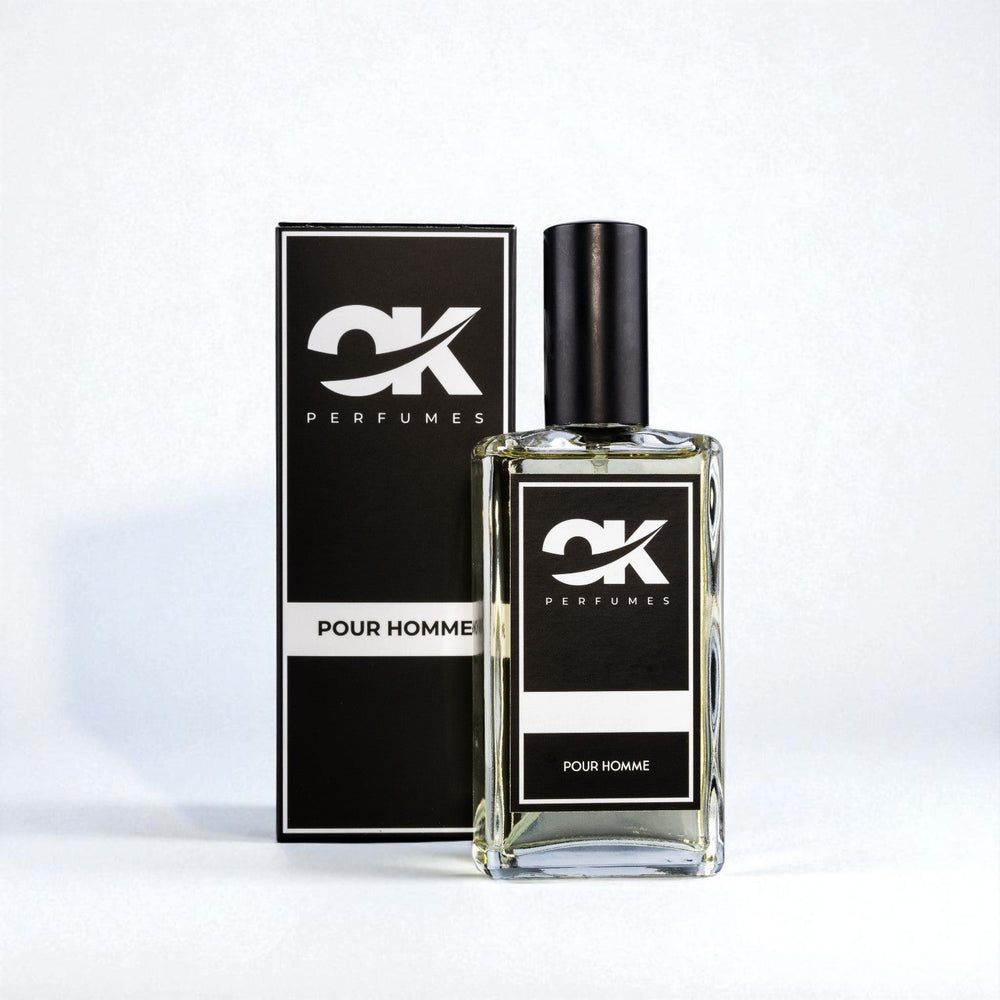
ESV - Reminiscent of Eau Sauvage (1966) by Dior
ESV - Reminiscent of Eau Sauvage by Dior is a masculine perfume that combines citrus notes with a soapy touch, offering a fresh and clean aroma ideal for daily use in warm climates. Its aseptic and formal character makes it suitable for professional environments, providing an interesting alternative to typical summer scents. With a distinctive profile that evokes an old-school barbershop style, this perfume brings originality without being overwhelming.
View product





Leave a comment