






From Antiquity to Modernity: A History of Perfume
Summary
Perfumes have been essential to humanity since ancient times, symbolizing status and culture. This article explores their history, from ritual use in Egypt to modern evolution, including sustainability and personalization trends. Perfumery continues to transform, reflecting identity and self-expression in every fragrance.
Table of Contents
- The Origins of Perfume in Antiquity
- Fragrance as Ritual
- Perfume in the Ancient and Classical World
- Essential Oils in the Roman Empire
- The Middle Ages and the Renaissance
- The Rebirth of Perfumery
- The Industrial Revolution and the 20th Century
- The Grand Fragrances of the 20th Century
- The Modern Era: Innovations and Sustainability
- New Trends in Perfumery
- The Future of Perfume: Beyond Scent
- The Importance of Identity in Fragrances
- In Search of the Perfect Fragrance
Key Takeaways
- Ancient Origins: Perfumes have existed since ancient civilizations like Egypt, where they were essential in rituals and daily life.
- Sacred Rituals: In Egypt, aromas were used in ceremonies to connect the divine with the earthly.
- Development in Greece and Rome: The Greeks perfected the blending of essential oils, while the Romans popularized their use as a status symbol.
- Renaissance of Perfumery: During the Renaissance, interest in fragrances re-emerged, especially in Italy, France, and Spain.
- Industrial Revolution: This period enabled the mass production of perfumes, making them more accessible to the public.
- Modern Trends: Sustainability and personalization are redefining the perfume market in the 21st century.
- Identity and Diversity: Current fragrances are evolving towards an inclusive approach, allowing consumers to choose according to their personal identity.
Perfumes have been a part of humanity for millennia, transforming into symbols of status, love, and culture. In this article, we will explore the history of perfume from its origins in antiquity to its evolution in the modern world, incorporating the importance of men's perfume and the search for equivalency in fragrances. Prepare for a journey through time that will reveal how the art of perfumery has influenced our lives and society.
The Origins of Perfume in Antiquity
The history of perfume dates back to ancient civilizations such as the Egyptians, Babylonians, and Indians. In Egypt, the use of men's perfume and women's perfume was an integral part of religious rituals and daily life. Egyptians used fragrant oils made from flowers, resins, and spices to anoint gods and prepare the deceased for the afterlife.
Fragrance as Ritual
In the temples of Egypt, priests performed ceremonies with sacred flames that released the aroma of incense. This ritual was fundamental in connecting the divine with the earthly, offering fragrant offerings. Furthermore, it was during this era that the use of perfumes in daily life began. Egyptian women used scents to attract attention, while men opted for men's perfume that symbolized strength and virility.
Perfume in the Ancient and Classical World
As civilizations advanced, the use of perfumes expanded to the Greeks and Romans. For the Greeks, perfume was an art form. They developed techniques for blending essential oils with alcohol, creating the bases of what we know today as perfumes. The Romans, for their part, adopted these techniques and took perfume to new heights. It was a sign of high status and was used in banquets and celebrations.
Essential Oils in the Roman Empire
- Rosmarinus officinalis: used to stimulate memory.
- Pimpinella anisum: known for its digestive properties.
- Lavandula: aromatic and calming.
The Romans also established a flourishing trade in fragrances, importing spices and materials from all over the known world. However, the excessive use of perfumes began to be seen as extravagant.
The Middle Ages and the Renaissance
During the Middle Ages, the use of perfume declined in Europe, especially due to the influence of the church, which saw aromas as a symbol of decadence. However, perfumery traditions did not completely disappear; in the Arab world, the art of perfume making continued to develop. Arab alchemists experimented with distillation, creating new blends that astonished Europe when they were introduced during the Renaissance.
The Rebirth of Perfumery
The Renaissance marked the resurgence of interest in fragrances. From Italy, France, and Spain, perfumes began to gain popularity again. "Eau de cologne" became a classic for men's perfume, and haute couture houses began to develop specific fragrances to complement their collections.
The Industrial Revolution and the 20th Century
The Industrial Revolution brought with it the large-scale production of perfumes. Advances in chemistry allowed perfumers to synthesize ingredients, making fragrances more accessible to consumers. In this period, perfumes ceased to be an exclusive luxury for the nobility and became democratized.
The Grand Fragrances of the 20th Century
- Chanel No. 5: launched in 1921, it became the symbol of elegance.
- Miss Dior: created by Christian Dior in 1947, it offered an air of sensuality.
- Aramis: launched in 1966, it made history as one of the first men's perfumes in mass advertising.
This century witnessed a creative explosion in the field of perfumery, where each fragrance house began to compete for a place in the hearts of increasingly demanding consumers. Advertising campaigns diversified, and fragrances began to tell stories. Perfumes were not just scents, but sensory experiences that offered a lifestyle.
The Modern Era: Innovations and Sustainability
In the 21st century, the perfume market continues to flourish. Technology and globalization have allowed fragrances to spread worldwide. Emerging brands are appearing, offering options that seek equivalency with luxury fragrances at affordable prices. This has changed the dynamics of the market, making perfume accessible to a wider population.
New Trends in Perfumery
Sustainability has arrived in perfumery, and consumers are increasingly aware of the origin of ingredients. Many brands now use natural components and ethical practices in perfume production. This shift has attracted a new generation of buyers who value not only the scent but also the environmental and social impact of their fragrance choices.
The Future of Perfume: Beyond Scent
Looking to the future, the world of perfumes is undergoing continuous transformation. Artificial intelligence and personalization are revolutionizing how perfumes are created and worn. Online platforms exist that allow users to design their own fragrance based on their aromatic preferences. This opens a new chapter in the history of perfume, where individuality is celebrated through every drop.
The Importance of Identity in Fragrances
Men's perfume and women's perfume are evolving towards a more inclusive and diverse approach, where fragrances are not limited by gender. Barriers are being broken down, and consumers can now choose fragrances that resonate with their own identity, regardless of traditional categories. This trend also reflects a broader cultural shift towards acceptance and self-expression.
In Search of the Perfect Fragrance
The journey through time shows us that perfumes have been, and always will be, crucial elements in people's lives. From sacred rituals to the search for personal identity, the art of perfumery has transformed and adapted to the needs of each generation. The history of perfumes is a rich narrative full of tradition and change, which continues to evolve.
In your search for equivalency and the perfect fragrance, remember that every scent tells a story. Every time you choose a men's perfume or women's perfume, you are not just choosing a scent; you are selecting a fragment of history, a piece of identity, and an expression of your being. Dare to explore and experience the olfactory journey that perfumes have to offer!
Glossary
| Term | Meaning |
|---|---|
| Perfume | A mixture of aromatic substances applied to impart a scent. |
| Aceites Esenciales | Concentrated plant extracts used in perfumery. |
| Fragancia | A pleasant aroma obtained from perfumes or similar products. |
| Ritual | A set of ceremonial actions that include the use of perfumes. |
| Equivalencia | The relationship of similarity between luxury fragrances and more accessible options. |
| Alquimia | An ancient practice of transforming substances, relevant in perfumery. |
| Democratización | Expanded access to perfumes that were previously exclusive to the elite. |
| Sostenibilidad | Practices that seek to minimize environmental impact in perfume production. |
| Personalización | Creation of unique fragrances based on individual preferences. |
| Identidad | Personal expression through the choice of fragrances. |
Linked Product

ESV - Reminiscent of Eau Sauvage (1966) by Dior
ESV - Reminiscent of Eau Sauvage (1966) by Dior offers a distinctive blend of citrus notes and a soapy touch that makes it suitable for both formal and daily occasions. Its olfactory profile combines freshness with a serious character, making it an interesting option for warm climates. Ideal for those looking for a perfume that stands out without being too aggressive.
View product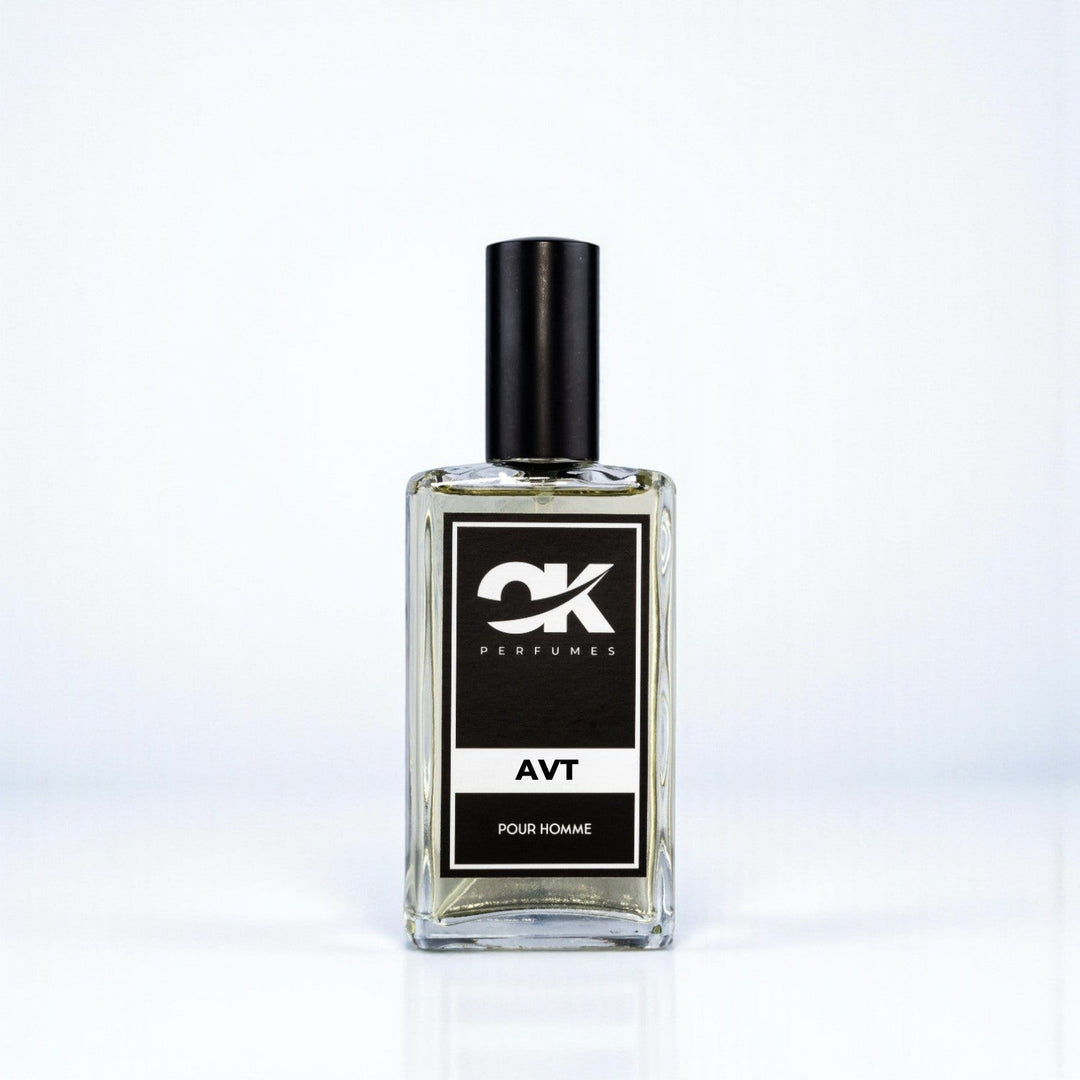





Leave a comment