





History of Perfumes: From Antiquity to Today
Summary
Perfumery has been a fundamental part of human culture since ancient times, evolving from rituals in Egypt to the sophistication of the Renaissance and the rise of the industry in France. In the 20th century, innovation and advertising transformed the perception of fragrances, while today, sustainability and personalization are shaping the industry's direction. The search for unique and responsible perfumes reflects consumers' personal identity.
The art of perfumery has been an essential part of human culture for thousands of years. From ancient civilizations to the present day, fragrances have served to beautify and express people's identity. In this article, we will explore the fascinating history of perfumes, from their origins in Antiquity to their evolution in the modern world.
The Beginnings: Perfumes in Antiquity
The first traces of perfume creation are found in ancient civilizations. The Egyptians are believed to have been the pioneers in fragrance manufacturing, using natural ingredients such as resins, flowers, and spices.
Egypt and the Ritual Use of Fragrances
In ancient Egypt, perfume not only had the purpose of beautification but was also a fundamental element in religious rituals. Priests burned incense and used scented ointments during ceremonies to honor their gods. Some favorite fragrances included spikenard, myrrh, and olive oil infused with aromatic herbs.
Greek and Roman Period
Perfumery reached new heights in ancient Greece and Rome. The Greeks considered perfume a luxury, and women often applied fragrances to their skin and hair. Elaborate perfume bottles became works of art, decorative and unique. The Romans, for their part, adopted the use of perfumes and made them an integral part of daily life. It is said that Julius Caesar used perfumes to acquire a majestic presence.
Renaissance and the Rise of Fragrances
The Renaissance brought with it an artistic and cultural rebirth, and perfumery was no exception. With the advancement of trade routes, exotic ingredients began to arrive in Europe, transforming the perfume industry.
The Rise of Perfumery in France
France established itself as the epicenter of European perfumery. During this period, perfume houses were founded that created elaborate and complex fragrances. The court of Louis XIV, "The Sun King," promoted the use of perfumes; he himself was known for his love of strong, elaborate fragrances.
The Industrial Revolution and Technological Advances
With the Industrial Revolution, perfume production underwent a significant transformation. Thanks to new distillation and extraction methods, perfumers could capture and preserve fragrances more effectively. This led to the creation of new and fascinating combinations that people could experience.
Perfumes in the 20th Century: Innovation and Fashion
The 20th century witnessed stubborn cultural and social changes, and the perfume industry reflected those changes. Wars and economic crises led to a revolution in how people thought about perfumes and fashion.
Iconic Fragrances and the Birth of Modern Chic
The launch of Chanel No. 5 in 1921 marked a milestone in the history of perfumes. This fragrance, created by designer Gabrielle "Coco" Chanel, became a symbol of luxury and sophistication. Since then, many fashion houses began to experiment with fragrances that became timeless classics, mixing traditional ingredients with modern touches.
The Influence of Advertising and Marketing
Advertising also played a significant role in popularizing perfumes in the 20th century. Creative and visual campaigns helped position fragrances as "necessities" rather than luxuries. This established an emotional link between the perfume and the user, and allowed consumers to choose fragrances that reflected their personality.
The Contemporary Era: Sustainability and Personalization
Today, the perfume industry continues to evolve at a rapid pace, influenced by current trends and sustainability awareness. Consumers are increasingly looking for "ESV perfume" that is not only attractive but also responsible. This has led to a boom in demand for natural ingredients and ethical production practices.
The Explosion of Niche Fragrances
The trend towards individuality and the search for unique fragrances has led to an explosion in the popularity of niche fragrances. These brands, often small and artisanal, offer perfume collections that challenge industry conventions and allow consumers to explore a wide range of scents. This diversity appeals to those who are looking for the "best" perfumes that truly reflect their identity and personal style.
The Future of Perfumery
In the digital age, the way we choose and understand fragrances has changed. With online reviews and social platforms, it's easier than ever to discover the latest trends and recommendations from other users. The integration of technology, such as augmented reality and perfume applications, are some of the innovations shaping the future of this industry.
Conclusions and Final Observations
Throughout history, perfumes have been a powerful form of personal and cultural expression. From the elegant fragrances of ancient Greece to the modern "ESV perfume" that meets the demand for sustainability, the perfume industry is a reflection of our desires and identity. As we move into the future, it is exciting to imagine how fragrances will continue to evolve and the place they will occupy in our lives. The search for the "best" perfumes never ends, and the journey through history inspires us to continue exploring the limitless possibilities of perfumery.
Linked Product

ESV - Reminiscent of Dior's Eau Sauvage (1966)
ESV - Reminiscent of Dior's Eau Sauvage is a masculine fragrance that combines citrus notes with a soapy touch, offering a clean and professional scent. Ideal for warm climates and daily occasions, its distinctive and serious character makes it an interesting option for those looking for a perfume that evokes a classic style. Its unique blend of freshness and sobriety sets it apart from typical summer fragrances.
View Product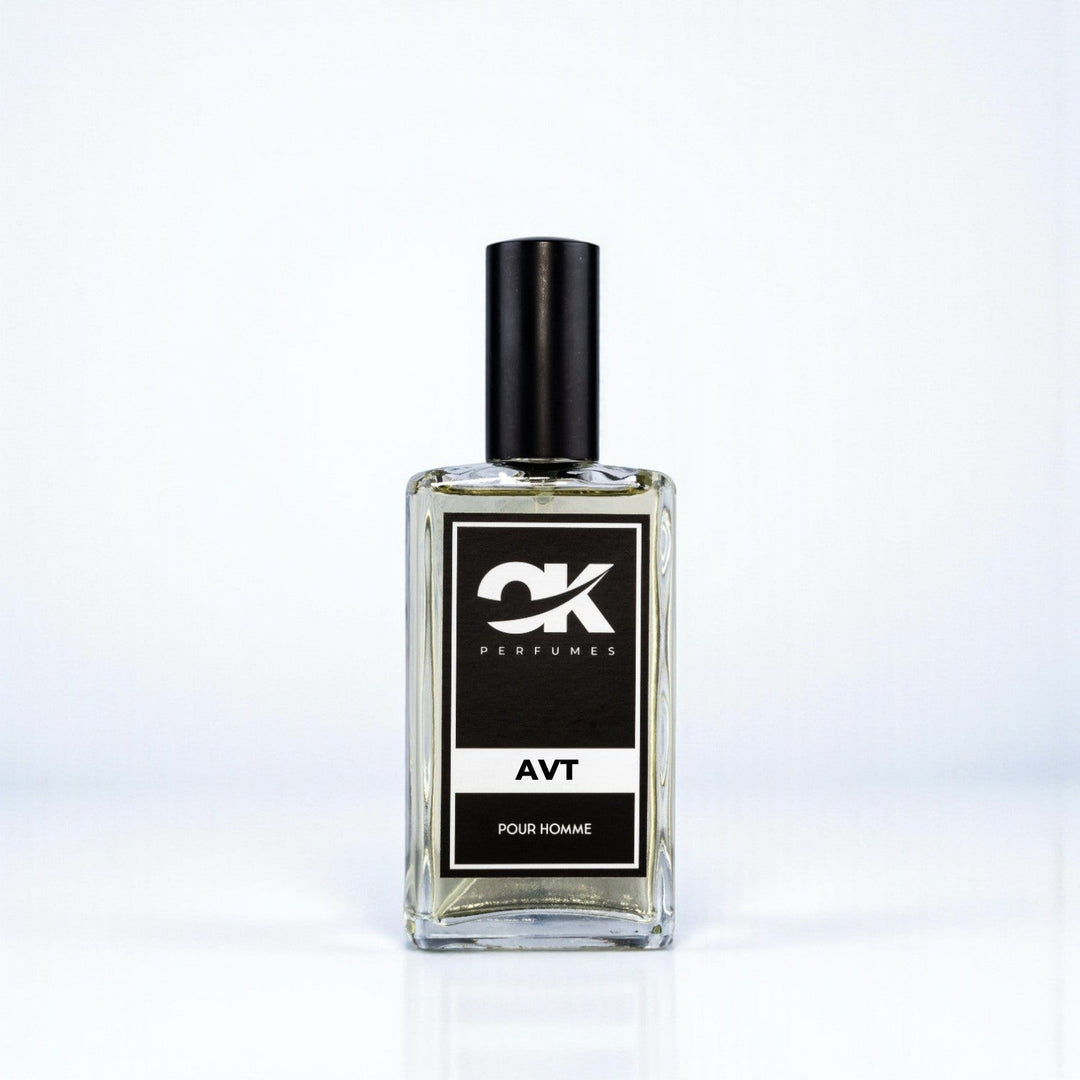





Leave a comment