





The Evolution of Fragrances in Fashion
Fragrances have been an integral part of fashion throughout history, evolving from simple essences to complex aromatic compositions. In this article, we will explore how fragrances in fashion have changed, their cultural impact, and how we can find high-quality alternatives like LIX perfume through equivalency. Get ready for an olfactory journey through time.
The Beginnings of Fragrances in Fashion
The history of fragrances in fashion dates back to ancient civilizations. In Egypt, for example, fragrances were a symbol of status and were used in religious rituals. Noblewomen applied perfumed oils not only to beautify themselves but also to leave a lasting impression upon entering an event.
Use of Essential Oils and Resins
In these early cultures, essential oils and resins were the norm. Egyptians used ingredients like frankincense and myrrh, while in China, flowers and herbs were employed. This practice was not only for aesthetic purposes; it was also believed that aromas had healing properties.
The Renaissance and the Perfume Revolution
During the Renaissance, perfumery expanded and refined. Perfumes began to be produced more systematically, and the first fragrance houses were established in Europe, especially in Italy and France. These advancements ran parallel to the rise of fashion, where each courtier highlighted their chosen fragrance.
The French Influence
France, in particular, became the epicenter of fragrances in fashion. Louis XIV's court, known as the "Sun King," encouraged the creation of complex and elaborate perfumes. Fragrance was not just part of clothing; it was an extension of personality and social status.
The 19th Century: The Era of Modern Perfumes
With the advent of the 19th century, the perfume industry began to professionalize even further. New distillation techniques were introduced, allowing for the creation of fragrances with a wider variety of notes. Iconic names in perfumery emerged, giving way to the first commercial fragrances.
The Industrial Revolution and New Fragrances
The Industrial Revolution also had a great impact on perfume production. The availability of new synthetic ingredients allowed perfumers to experiment and create fragrances that were previously unimaginable. This gave rise to an era where fragrances became mass products available to a wider audience.
The 20th Century: The Diversification of Fragrances
The 20th century brought with it the democratization of fashion and, consequently, of fragrances. Fragrances began to attract a wider variety of consumers. Iconic brands like Chanel introduced perfumes that reflected the zeitgeist of the era, capturing the essence of a generation.
Fragrance Boom and Advertising
In this era, advertising became an essential component of the fragrance industry. Perfume houses began to use celebrities and models to promote their products, turning fragrances into an indispensable fashion accessory. This phenomenon helped establish standards that still endure today.
The Present and the Search for Alternatives
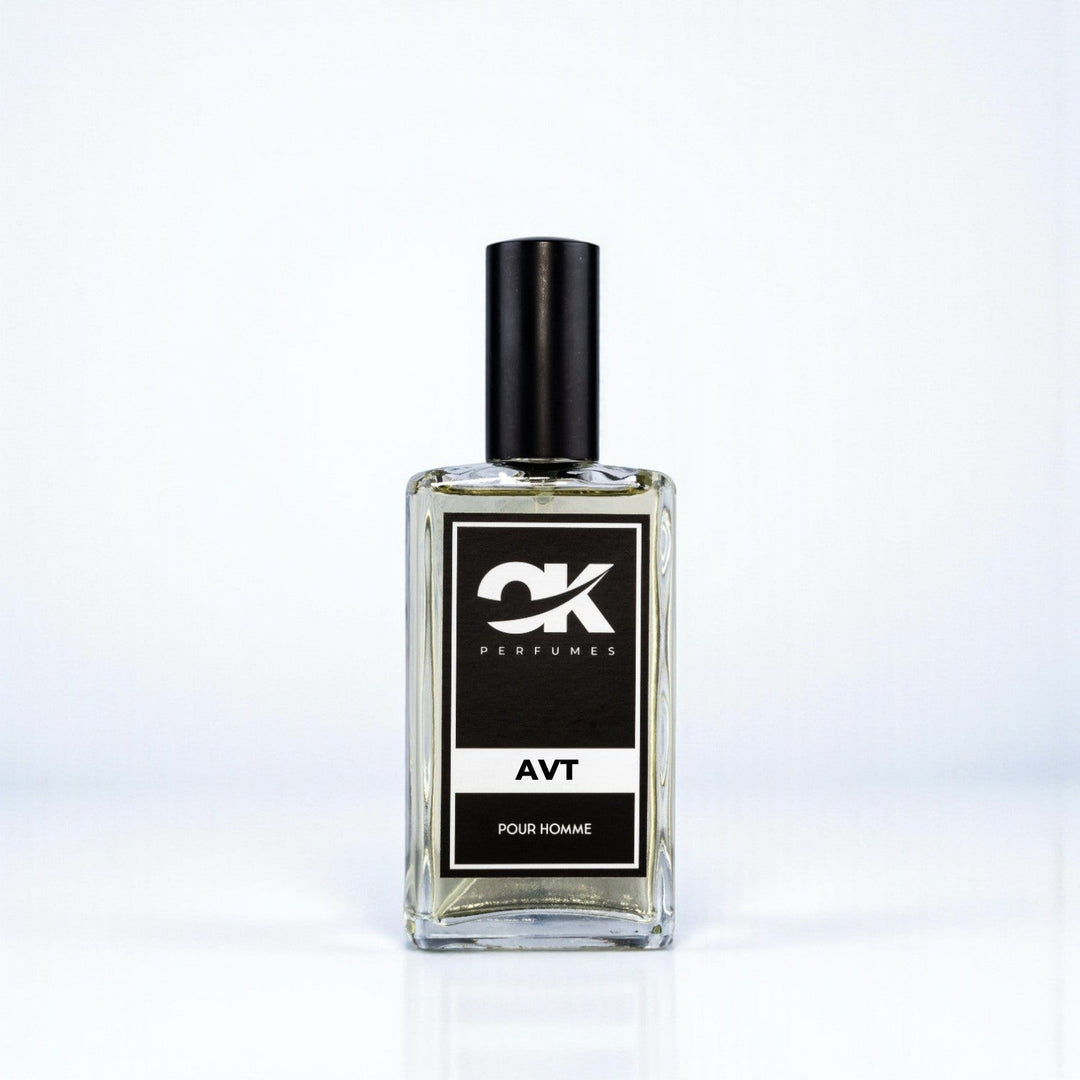
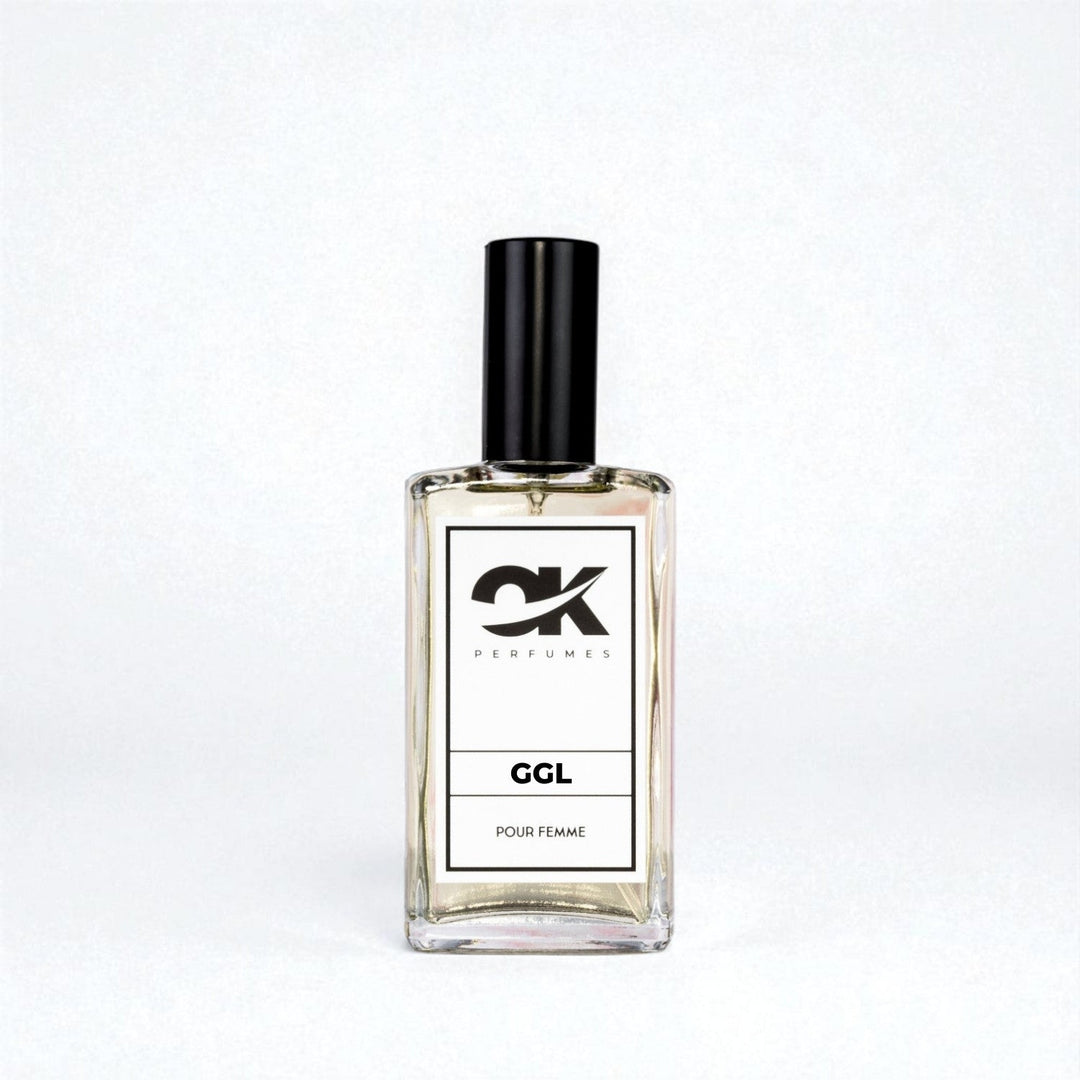
Today, the perfume industry continues to evolve. With growing awareness of sustainability and the search for more affordable alternatives, equivalency has become an increasingly popular term. Brands like LIX offer fragrances that simulate the notes of luxury perfumes at a fraction of the price, allowing more people to access the experience of exquisite fragrances.
Personalized Fragrances and Unique Proposals
Personalization has also taken center stage. Many consumers now seek fragrances that reflect their unique identity. This has prompted brands to offer customization options, where different notes can be blended to create a unique and unrepeatable fragrance.
The Benefits of Choosing Fragrances like LIX
Choosing fragrances like LIX perfume is not only an economical option, but it also allows you to enjoy a variety of scents without compromising on quality. Equivalency fragrances are formulated to capture the essence of the most iconic perfumes, providing an exceptional olfactory experience without the high cost.
Quality and Sustainability
Another important aspect to consider is sustainability. Many equivalency brands are committed to using sustainable ingredients and ethical practices. This attracts consumers who are aware of the impact of their choices on the environment and society.
The Future of Fragrances in Fashion
As we move into the future, we are likely to see more innovation in the field of fragrances. Technology, such as artificial intelligence and nanotechnology, could play a significant role in the creation of new fragrances, transforming the experience of wearing perfume.
A Rising Trend: Digital Perfumes
The emergence of digital fragrances is also on the horizon. These could allow consumers to "try on" perfumes virtually before making a purchase. The experience of buying fashion fragrances will be more interactive and tailored to individual preferences, which can fundamentally change the relationship between consumers and perfumery.
Fragrance as Art and Personal Expression
In summary, fragrances will continue to evolve as a form of art and personal expression in fashion. From their humble origins to their current sophistication, these essences have proven to be more than mere aromas; they are an extension of our identity.
So, whether you lean towards luxury fragrances or seek affordable alternatives like LIX perfume, remember that every fragrance tells a story. The next time you choose your scent, think about how it connects with your personal style, your emotions, and your experiences. Let the aroma guide you and become a part of this rich history of perfumery!





Leave a comment