






The differences between perfumes, colognes, and eaux
Summary
Understanding the differences between perfumes, colognes, and eaux is key to choosing the right fragrance. Perfumes are the most concentrated and long-lasting, ideal for special occasions. Colognes are lighter and perfect for daily wear. Eaux de Toilette and Eaux de Parfum offer intermediate options. Consider the occasion, season, and your body chemistry when selecting a fragrance, and don't forget to test it on your skin. Explore different scents to find the one that best reflects your personal style.
Table of Contents
Key Takeaways
- Types of Fragrances: There are three main categories: perfumes, colognes, and eaux, each with different concentrations of essential oils.
- Perfumes: Contain between 20% and 40% essential oils, ideal for special occasions due to their long-lasting nature.
- Colognes: With an oil content of between 2% and 5%, they are perfect for daily use and offer fresh, light scents.
- Eau de Toilette and Eau de Parfum: Eau de Toilette has between 5% and 15% oils, while Eau de Parfum has between 15% and 20%, with the latter being more intense and long-lasting.
- Body Chemistry: How a fragrance presents can vary depending on each person's chemistry, so it's important to test it on the skin.
- Equivalences: It's possible to find fragrances similar to luxury perfumes at lower prices, allowing you to explore different scents without a large financial commitment.
- Personal Style: The choice of a fragrance should reflect your identity and style; don't hesitate to experiment with different scents to find the one that best represents you.
When it comes to choosing the perfect scent, it's essential to understand the differences between the various types of fragrances available on the market. Among perfumes, colognes, and eaux, each category has unique characteristics that can influence your choice. In this guide, we will explore the different fragrance classifications, their concentrations, and how you can find the perfect equivalent for every occasion.
Types of Fragrances: A World of Scents
Fragrances are an integral part of our olfactory experience, and there are several categories that can be classified according to their concentration of essential oils. Understanding these differences will help you make more informed decisions when selecting your daily scent or a special fragrance for an important occasion.
Perfumes
Perfumes are the most concentrated form of fragrance, generally containing between 20% and 40% essential oils. This high concentration means the scent will last longer on the skin. It's common for perfumes to have complex notes that evolve throughout the day, providing a rich and sophisticated olfactory experience.
Due to their high concentration, perfumes are ideal for special occasions or for those who desire a long-lasting scent. When choosing a perfume, it's also important to consider how it interacts with your body chemistry, as this can affect how it is perceived on your skin over time.
Colognes
Colognes are, generally speaking, less concentrated than perfumes, with an oil content of between 2% and 5%. This makes them an excellent option for daily use, as they offer a lighter freshness. Colognes are often chosen by those who prefer more subtle and refreshing scents.
Colognes typically feature citrus or herbal notes, making them ideal for warm climates or daily activities. Additionally, they tend to be more affordable than perfumes, allowing users to experiment with a variety of scents without a large financial commitment.
Eaus: Eaux de Toilette and Eaux de Parfum
The term "eau" translates to "water" in French, and it refers to fragrance compositions that have an essential oil concentration in an intermediate range. There are two commonly available types of eaux: Eau de Toilette and Eau de Parfum.
Eau de Toilette
Eau de Toilette is less concentrated than Eau de Parfum, typically with an oil concentration between 5% and 15%. This type of fragrance is popular for daily wear and is ideal for people who want a scent that can be applied generously without being overwhelming.
Eau de Toilette usually offers a fresh and light olfactory profile, making it an excellent choice for spring and summer. Its duration on the skin is shorter than that of a perfume, requiring more frequent applications throughout the day.
Eau de Parfum
On the other hand, Eau de Parfum generally has an oil concentration between 15% and 20%. This means it offers a more intense and long-lasting scent than Eau de Toilette, making it a versatile option for various occasions. If you're looking for a fragrance that combines depth with elegance, Eau de Parfum is a highly recommended choice.
Eau de Parfum is ideal for formal or evening situations, where a more robust fragrance might be more appreciated. Some notable perfumes in this category, such as Eau Sauvage Dior, are considered masterpieces of perfumery.
How to Select the Perfect Fragrance?
Selecting the right fragrance involves more than just choosing a scent you like; factors such as the occasion, season, and, of course, your own sense of style must also be considered. Here are some tips to help you in your search:
- Consider the Occasion: For daily wear, a cologne or Eau de Toilette can be perfect. For special events, a perfume or Eau de Parfum may be more suitable.
- Try on Fragrances: It's always essential to test the scent on your skin before buying it. Scents can vary considerably from person to person.
- Consider the Season: Fresher, lighter scents are ideal for summer, while warmer, earthier fragrances can be perfect for winter.
- Look for Equivalents: If you have a favorite scent that is expensive, you can often find equivalents from more accessible brands that offer similar fragrances at a lower price.
The Importance of Body Chemistry
Every person has unique body chemistry that can affect how a fragrance presents itself. What smells incredible on one person may not smell the same on another. For this reason, it is essential to try various scents by applying a small amount to your skin.
It is also advisable to wait several hours after application for the perfume to "blend" with your skin. The top notes evaporate quickly, and what matters is how the scent develops on your skin over time.
Fragrance Trends
The world of fragrances is constantly evolving, with new trends emerging every season. From gourmand (sweet) scents to fragrances based on natural ingredients, there's something for every olfactory palate. This versatility allows each person to find a fragrance that resonates with their personal identity.
Furthermore, many brands are adopting an eco-friendly approach, using sustainable ingredients and responsible practices in fragrance production. If you are concerned about the environment, seeking out brands that follow these principles is an excellent way to make a conscious choice.
Common Myths about Perfumes and Colognes
Whatever the type of fragrance, there are certain myths that persist and should be debunked. Here we address some of them so you can make more informed decisions:
- Expensive perfumes are always better: Not necessarily. There are excellent affordable fragrances that can be just as satisfying.
- Fragrances always smell the same everywhere: As mentioned earlier, body chemistry can significantly alter a fragrance.
- Fragrances don't have an expiration date: Although perfumes can last a long time, their qualities can degrade over time if not stored properly.
Choosing the Ideal Equivalent
While luxury brands like Eau Sauvage Dior are desired by many, it's not always necessary to spend a fortune to enjoy a great scent. There are multiple equivalents that faithfully mimic popular fragrances, offering more affordable options without sacrificing quality.
Researching and trying different equivalents will allow you to find the perfect scent that fits your budget and style. Furthermore, you can discover new fragrances that suit your personality and offer you that unique feeling that only a good perfume can provide.
Discovering Your Personal Style
Finally, it's essential to remember that choosing a fragrance is an extension of your personal style and identity. Don't be afraid to explore different types of scents and categories. By doing so, you will not only broaden your olfactory horizons, but you might also find a fragrance that speaks to who you are.
Fragrances can transform your mood, boost your confidence, and leave a lasting impression. So, whether it's a light Eau de Toilette for everyday use or an intense perfume for a special night out, invest time in finding the scent that makes you feel unique and authentic. In the end, your choice of fragrance is a personal journey worth exploring.
Remember, every time you choose a fragrance, you are choosing a small piece of yourself to share with the world. Go out and enjoy this fruitful search for scents!
Glossary
| Term | Meaning |
|---|---|
| Perfume | Most concentrated fragrance, with 20%-40% essential oils. |
| Cologne | Light fragrance, with 2%-5% essential oils, ideal for daily use. |
| Eau de Toilette | Less concentrated fragrance than Eau de Parfum, 5%-15% oils. |
| Eau de Parfum | More intense fragrance, with 15%-20% oils, suitable for special occasions. |
| Top notes | First impressions of a fragrance, which evaporate quickly. |
| Body chemistry | How a person's body interacts with a fragrance, affecting its scent. |
| Gourmand fragrances | Sweet scents that evoke food, such as vanilla or chocolate. |
| Equivalents | Fragrances that mimic popular scents at a more accessible price. |
| Occasions | Specific contexts where a particular fragrance type is chosen. |
| Complex notes | Combinations of different aromas that evolve over time. |
Linked product

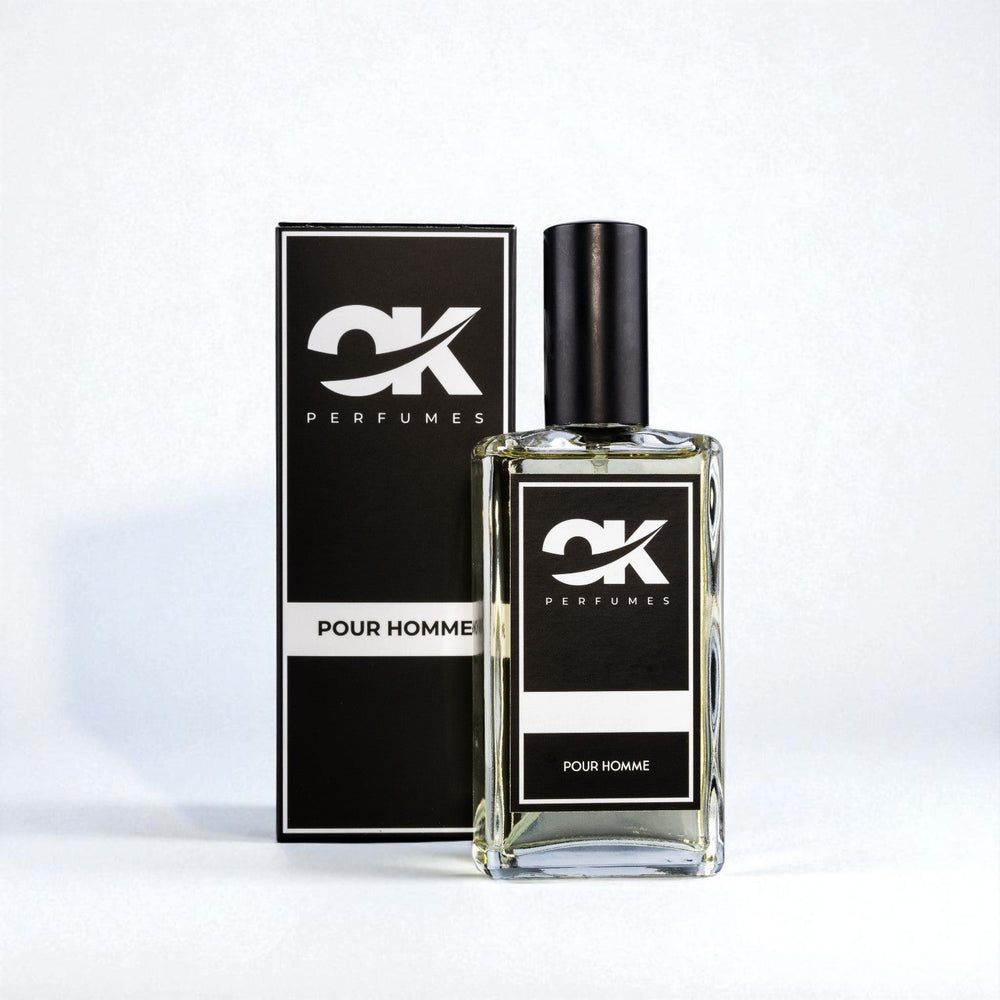
ESV - Reminiscent of Eau Sauvage (1966) by Dior
ESV - Reminiscent of Eau Sauvage (1966) by Dior is a men's perfume that stands out for its combination of citrus notes and a soapy touch, offering a fresh and clean scent. Its aseptic and professional character makes it an interesting option for daily use, especially in warm and temperate climates. Its originality and "old school" profile make it suitable for those seeking a distinctive fragrance without being overly daring.
View product





Leave a comment