






Cultures and Perfumes: Regional Influence on Fragrances
Summary
This article explores the rich connection between perfumes and the cultures of various regions around the world, from Egypt to Europe and Asia. It analyzes the history of perfume, its unique ingredients, and its contemporary evolution, highlighting the importance of sustainability and personalization. Additionally, it mentions how fragrances evoke emotions and memories, and how digitalization has transformed perfume consumption. Each scent is a celebration of cultural diversity and an invitation to discover new sensory experiences.
Table of contents
- The history of perfume: a cultural journey
- Egypt: fragrances of the gods
- Asia: the fusion of spirituality and aromas
- Europe: sophistication and modernity
- Scents and their cultural connection
- Fruits and flowers in Latin America
- Herbs and spices from the Middle East
- Contemporary influence in perfumery
- Fusion fragrances: a new paradigm
- The importance of sustainability
- Scents and their emotions
- The psychology of scent
- Personalized fragrances: a reflection of individuality
- Olfactory adventures around the world
- Olfactive "wine tourism" experiences in perfumery
- The evolution of perfume in the digital age
- Impact on recommendations and reviews
- Rediscovering the veneration for the natural
Key takeaways
- Cultural influence: Each fragrance reflects the traditions and natural resources of its region of origin.
- History of perfumery: From ancient Egypt to the present day, the art of making perfumes has evolved with each culture.
- Key ingredients: The use of ingredients like frankincense and amber is fundamental in Middle Eastern fragrances.
- Globalization: The fusion of ingredients from different cultures has led to new and innovative scents.
- Sustainability: Brands are seeking ingredients from sustainable sources to reduce the environmental impact of perfume production.
- Personalization: Consumers are looking for fragrances that reflect their individuality and lifestyle.
- Emotional impact: Scents can evoke memories and emotions, influencing people's moods.
The world of perfumes is fascinating and complex. Each fragrance tells a story intertwined with the culture of its region of origin. As we explore the different cultural influences in the creation of perfumes, we can understand how the traditions, natural resources, and emotions of each place bring unique scents to life. In this article, we will discover how different regions of the world influence fragrances, from the freshness of Neroli Portofino men's perfume to the rich, warm notes of the East.
The history of perfume: a cultural journey
The art of making perfumes dates back thousands of years. From the ancient Egyptians who offered fragrances to their gods to the French who perfected perfumery as an art form, each culture has contributed its own approach and meaning to fragrances. Behind every scent lies a rich history that speaks of its cultural roots and the aesthetic values of a society.
Egypt: fragrances of the gods
In ancient Egypt, the use of perfumes was not merely a luxury but a way to get closer to the divine. Egyptians used essential oils and resins to create perfumes offered to their gods and for the afterlife. Ingredients such as myrrh and frankincense were considered fundamental in creating fragrances of the time. This laid the foundation for the use of perfumes in many subsequent cultures.
Asia: the fusion of spirituality and aromas
Perfumery traditions in Asia are deeply spiritual. In Japan, for example, Kodo is an incense ritual dating back centuries. This ritual is not just about enjoying the scents but about experiencing a moment of meditation and reflection. Floral and woody fragrances are predominant in this culture, reflecting the harmonious balance between nature and humanity.
Europe: sophistication and modernity
France is synonymous with haute couture and perfumery. Here, scents are designed to reflect elegance and sophistication. Parisian perfume houses are famous for their innovations and for creating fragrances that dictate trends worldwide. The Neroli Portofino men's perfume is an excellent example, capturing the essence of the Mediterranean with notes of bergamot and neroli flower, evoking a fresh and carefree experience.
Scents and their cultural connection
Each region of the world has natural ingredients that influence the fragrances created there. Through these raw materials, scents are developed that reflect the cultural identity of each place. Let's look at some notable examples:
Fruits and flowers in Latin America
- Jasmine: widely used in perfumes around the world, it has origins in warm climates, symbolizing freshness and romanticism.
- Ylang-ylang: known for its sweet and exotic aroma, it is frequently used in luxury perfumery.
- Rose: Mexican roses are renowned for their rich and complex fragrance, which transforms into balanced and sensual combinations in perfumes.
Herbs and spices from the Middle East
- Frankincense: not only a cultural symbol, but also a key ingredient in oriental fragrances, providing spiritual depth to their perfumes.
- Amber: using resin, a warm and sweet aroma is obtained that is iconic in many Arab fragrances.
- Damask rose: famous for its potency, it is cultivated for its essential oil in places like Iran and Turkey.
Contemporary influence in perfumery
Currently, globalization has intertwined cultures more than ever, including the world of fragrances. More and more, perfumers are experimenting with ingredients that transcend borders, combining styles and traditions from different regions. This has led to fascinating new scents that reflect cultural fusion.
Fusion fragrances: a new paradigm
Contemporary fragrances have begun to include ingredients from diverse cultural contexts, creating something truly new. This blend is not only refreshing but also tells a story of inclusion and diversity. For example, combining Middle Eastern amber with Mediterranean freshness becomes an unexpected and unique sensory experience.
The importance of sustainability
Growing concern for the environment has also influenced the creation of perfumes. Brands are seeking ingredients that are not only high-quality but also sourced sustainably. This has led to an increase in the production of perfume equivalents that use natural bases and reduce environmental impact while offering beautiful scents.
Scents and their emotions
Perfumes are not just fragrances; they are carriers of emotions and memories. Each scent can evoke specific moments, from a summer afternoon to a comforting hug from a loved one. It's fascinating how different cultures associate different meanings with the same perfume. The power of a fragrance can brighten a mood or transport us back to a moment in time.
The psychology of scent
Studies have shown that scents can affect our mood and emotional health. For example, Neroli Portofino men's perfume not only offers a burst of freshness, but has also been associated with reducing stress and anxiety thanks to bergamot and neroli flower, which have calming properties. This ability to evoke emotional responses makes choosing a perfume a subjective and personal experience.
Personalized fragrances: a reflection of individuality
Today, personalization has also gained ground in the perfume industry. More and more people are looking for fragrances that can tell their own story, something that resonates with their character and lifestyle. Brands offer the possibility of creating personalized perfumes that reflect the individual essence of each customer.
Olfactory adventures around the world
A journey through the world of fragrances is, in fact, a cultural journey. From the elegance of French fragrance to the sensuality of the East, each country has something unique to offer perfume lovers. It's like opening a storybook where each page has a tale to tell.
Olfactive "wine tourism" experiences in perfumery
Truly immersive is olfactive "wine tourism": many places offer experiences where visitors can learn about the history of perfume in each region, smell its key ingredients, and even create their own fragrance.
The evolution of perfume in the digital age
Digitalization has changed the way we consume perfumes. Now, through platforms like Shopify, customers can access a multitude of options from the comfort of their homes. This also opens up new opportunities for small brands and independent perfumers who wish to bring their art to a wider audience.
Impact on recommendations and reviews
Social media and blogs have given a voice to a new generation of fragrance enthusiasts. Consumers no longer rely solely on advertising but seek recommendations and reviews from real users. This has allowed lesser-known equivalences and fragrances to gain recognition in a saturated market.
Rediscovering the veneration for the natural
In a world where artificiality seems to dominate, there has been a renewed interest in the natural and organic. Consumers are looking for fragrances that are authentic and produced with an ethical manufacturing process. This resonates especially with younger generations, who are increasingly concerned about the environmental and social impact of their purchasing choices.
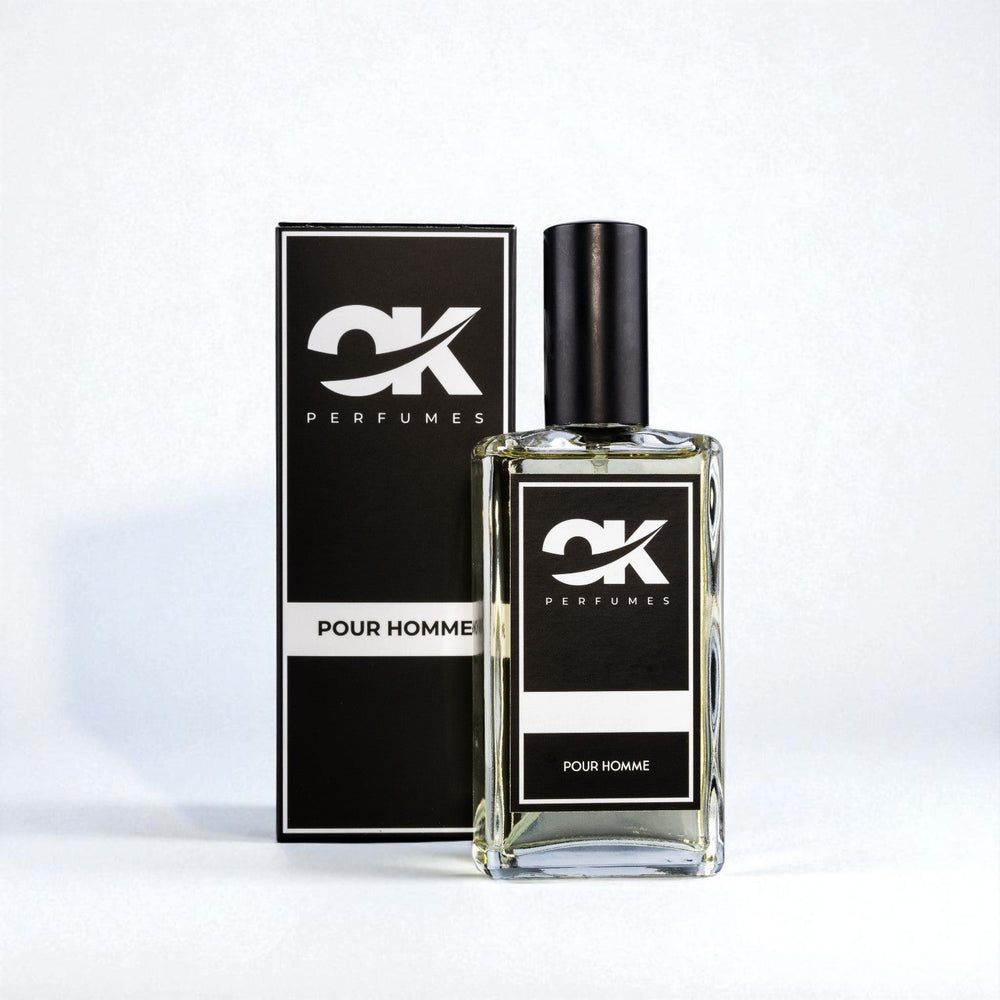
As we have seen, fragrances are a reflection of the world's cultural diversity. The way each region brings its magic to us through aromas is a celebration of our differences and connections. Whether it's the radiance of Neroli Portofino men's perfume or the warmth of an oriental perfume, each fragrance is an expression of culture, history, and emotion. By continuing to explore this evocative world, we embrace the diversity that each culture brings to the table, enriching ourselves and our sensory experiences. Ready for your next olfactory journey? Dare to explore and discover! NPT perfume evokes the freshness of Neroli Portofino by Tom Ford, ideal for spring and summer. Its light and versatile aroma adapts to various occasions, from a casual day to more formal events. It is a perfect option for those looking for a fragrance that captures the essence of the Mediterranean summer.Glossary
Term
Meaning
Fragancia
A pleasant aroma used in perfumes.
Perfumería
The art and science of creating perfumes.
Kodo
Japanese incense ritual and meditation.
Amber
Resin that provides a warm and sweet aroma.
Incense
Key ingredient in oriental fragrances.
Jasmine
Flower used in perfumes, a symbol of freshness.
Personalization
Creation of fragrances tailored to the individual.
Globalization
Cultural interconnectedness that influences perfumes.
Sustainability
Practice of using ethical and ecological ingredients.
Olfactory adventures
Sensory experiences through fragrances.
Linked product

NPT - Recalls Neroli Portofino by Tom Ford





Leave a comment