




Techniques for Making Your Own Perfume at Home
Summary
Learn how to create your own perfume at home with practical techniques and tips. Personalize your fragrances, control ingredients, and save money. You'll need alcohol, essential oils, and dark bottles. Follow the steps to mix, rest, and adjust your creation. Discover the exciting world of perfumery!
Table of contents
- Why Create Your Own Perfume?
- Necessary Materials
- Creating Your Own Perfume Step by Step
- 1. Defining the Perfume Notes
- 2. Measuring the Ingredients
- 3. Mixing the Ingredients
- 4. Adding Alcohol
- 5. Letting it Rest
- Testing and Adjusting Your Fragrance
- The Art of Adjusting Fragrances
- Tips for Storing Your Perfume
- Perfumes to Try and Experiment With
- The Benefits of Making Perfume at Home
- A Walk Through the History of Perfumery
- Final Words to Inspire Your Creation
Key Takeaways
- Personalization: Create unique fragrances by choosing your own notes and combinations.
- Ingredient control: Avoid chemicals and allergens present in commercial perfumes.
- Essential materials: You will need neutral alcohol, essential oils, and dark glass bottles.
- Recommended proportions: Start with 30% top notes, 50% heart notes, and 20% base notes.
- Perfume resting: Let the mixture rest in a cool, dark place for at least 48 hours.
- Adjustments: Experiment by adding more oils or alcohol to achieve the desired balance.
- Proper storage: Use dark bottles and store your perfume in a cool, dry place.
Have you ever wondered how to create your own perfume at home? If you're a fragrance lover or just want to experiment with unique scents, making your own perfume can be an exciting and creative activity. Not only will you have a personalized product, but you'll also have the opportunity to learn more about the world of fragrances. In this article, we'll explore various techniques and tips to help you create unique perfumes to try and enjoy. Let's dive in!
Why Create Your Own Perfume?
Creating perfumes at home is not only a form of personal expression, but it also allows you to:
- Personalization: You can choose the notes you truly love and combine them your way.
- Ingredient control: Avoid chemicals and allergens that may be present in commercial perfumes.
- Economy: Creating your own perfume can be more economical and accessible, especially compared to luxury brand perfumes.
Necessary Materials
Before you start creating your perfume, make sure you have the following materials on hand:
- Neutral alcohol: This is the vehicle that will carry the essences and notes of your fragrance.
- Essential oils: These are the base of any perfume. Choose from a variety of scents, both floral and woody.
- Other ingredients: These may include natural fixatives such as benzoin gum or musk, which help the fragrance last longer.
- Bottles: Make sure you have dark glass bottles to protect the perfume from light.
- Notebook: To record your combinations and formulas as you experiment.
Creating Your Own Perfume Step by Step
1. Defining the Perfume Notes
The first essential step in creating a perfume is selecting your notes. Fragrances are composed of three layers:
- Top notes: These are the first to be perceived and are usually fresh and light, such as citrus or herbs.
- Heart notes: These represent the "body" of the fragrance and usually include flowers or spices.
- Base notes: These are the ones that last longest on the skin, such as amber, woods, or vanilla.
2. Measuring the Ingredients
Use a dropper or pipette to measure the essences. As a general rule, you can start with a ratio of 30% top notes, 50% heart notes, and 20% base notes. However, feel free to experiment until you find your perfect scent.
3. Mixing the Ingredients
In a dark glass bottle, start adding your essential oils according to the proportion you have decided. Essential oils are very concentrated, so remember that less is more.
4. Adding Alcohol
Once you have added the essences, fill the bottle with neutral alcohol. The amount will depend on how much perfume you want to create, but generally a 1:3 ratio between oils and alcohol is used.
5. Letting it Rest
For the aromas to blend and mature, let the perfume rest in a cool, dark place for at least 48 hours, although ideally for several weeks.
Testing and Adjusting Your Fragrance
After the perfume has rested, it's time to test it. Spray a small amount on your wrist and observe how the fragrance develops over time. Often, the notes change as they evaporate, so wait a few minutes for a complete impression.
The Art of Adjusting Fragrances
If you feel your perfume needs adjustments, you can go back to the bottle and add more of certain oils until you achieve the desired balance. Here are some tips:
- If the fragrance is too strong, add more alcohol to soften it.
- If it lacks depth, consider adding a small amount of base notes.
- Don't hesitate to experiment! Sometimes the best perfumes come from unexpected combinations.
Tips for Storing Your Perfume
Once you are satisfied with your creation, proper storage is key to maintaining its freshness and scent. Here are some tips:
- Dark glass bottles: Protect the contents from light, which can break down the fragrance.
- Cool places: Store your perfumes in a cool place, away from humidity and heat.
- Avoid sudden temperature changes: This can negatively affect the essence.
Perfumes to Try and Experiment With
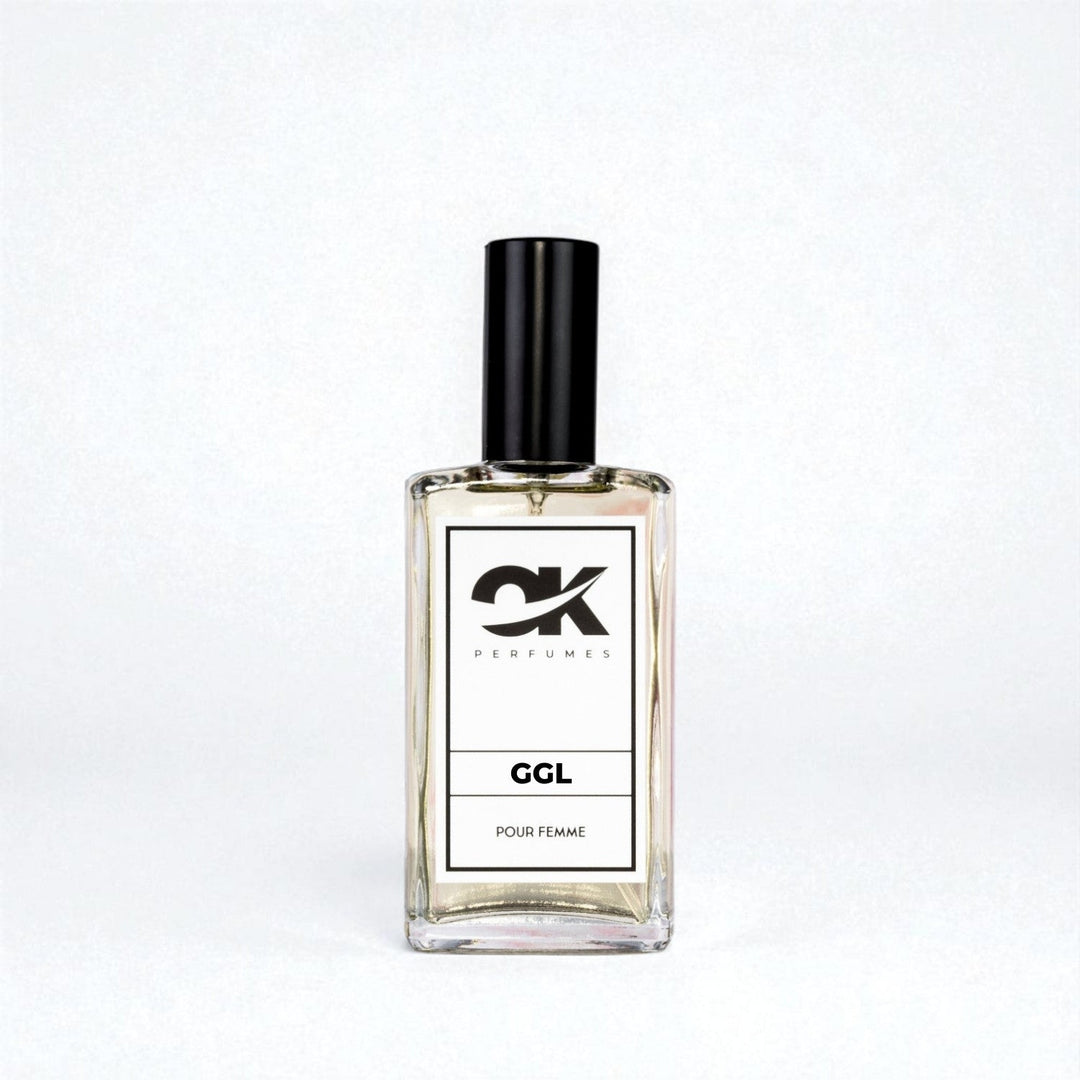
If you like the idea of creating your own perfume, you can also look for commercial perfumes "to try" that serve as a reference. This is useful to see which combinations and notes you are most attracted to, and will help you define your preferences when creating your own fragrance.
The Benefits of Making Perfume at Home
Creating your own perfume at home is not only satisfying, but it also allows you to:
- Develop a skill: You will learn about the properties of oils and how they combine.
- Connect with your creativity: Each perfume you create is unique, reflecting your style and personality.
- Eliminate allergies: You control the ingredients and avoid common allergens that may be in commercial perfumes.
A Walk Through the History of Perfumery
Perfumery has deep roots in human history. Since ancient times, cultures around the world have used fragrances in rituals and ceremonies. Learning a little about the history of perfumery can enrich your experience when creating your fragrances. From the Egyptians who used mixtures of resins and flowers for embalming, to the perfumers of Grasse in France, there is a world of inspiration in every drop of perfume.
Final Words to Inspire Your Creation
Creating your own perfume at home is an exciting and personal journey. Through experimentation and creativity, you can discover aromas that truly resonate with you. Whether you are looking for a light perfume for everyday use or a more intense fragrance for special occasions, the steps and tips we have shared will help you get started in this wonderful world of fragrances. So don't wait any longer, start with your first creations and immerse yourself in the aromatic adventure of the perfumer. Your journey into the world of perfumes begins now!
Glossary
| Term | Meaning |
|---|---|
| Perfume | Mixture of aromatic essences to create fragrances. |
| Essential oils | Concentrated plant extracts that provide aroma. |
| Top notes | First impressions of a perfume, usually fresh. |
| Heart notes | The "body" of the fragrance, generally floral or spicy. |
| Base notes | Fragrances that last longer, such as wood or amber. |
| Neutral alcohol | Base that dilutes essences and allows evaporation. |
| Dark glass bottles | Containers that protect perfume from light. |
| Fixatives | Ingredients that help the fragrance last longer. |
| Resting | Leaving the perfume in a cool place for the aromas to blend. |
| Personalization | Creating unique fragrances that reflect your preferences. |
Linked product

6x15 mL PACK - Must-Try Perfumes
The 6x15 mL PACK offers a selection of six perfumes inspired by popular fragrances, allowing users to explore different scents in a compact format. Each 15 mL bottle is ideal for experimenting with various notes and finding your favorite. This set is a practical option for those who wish to expand their perfume collection or try new fragrances before committing to a larger size.
View product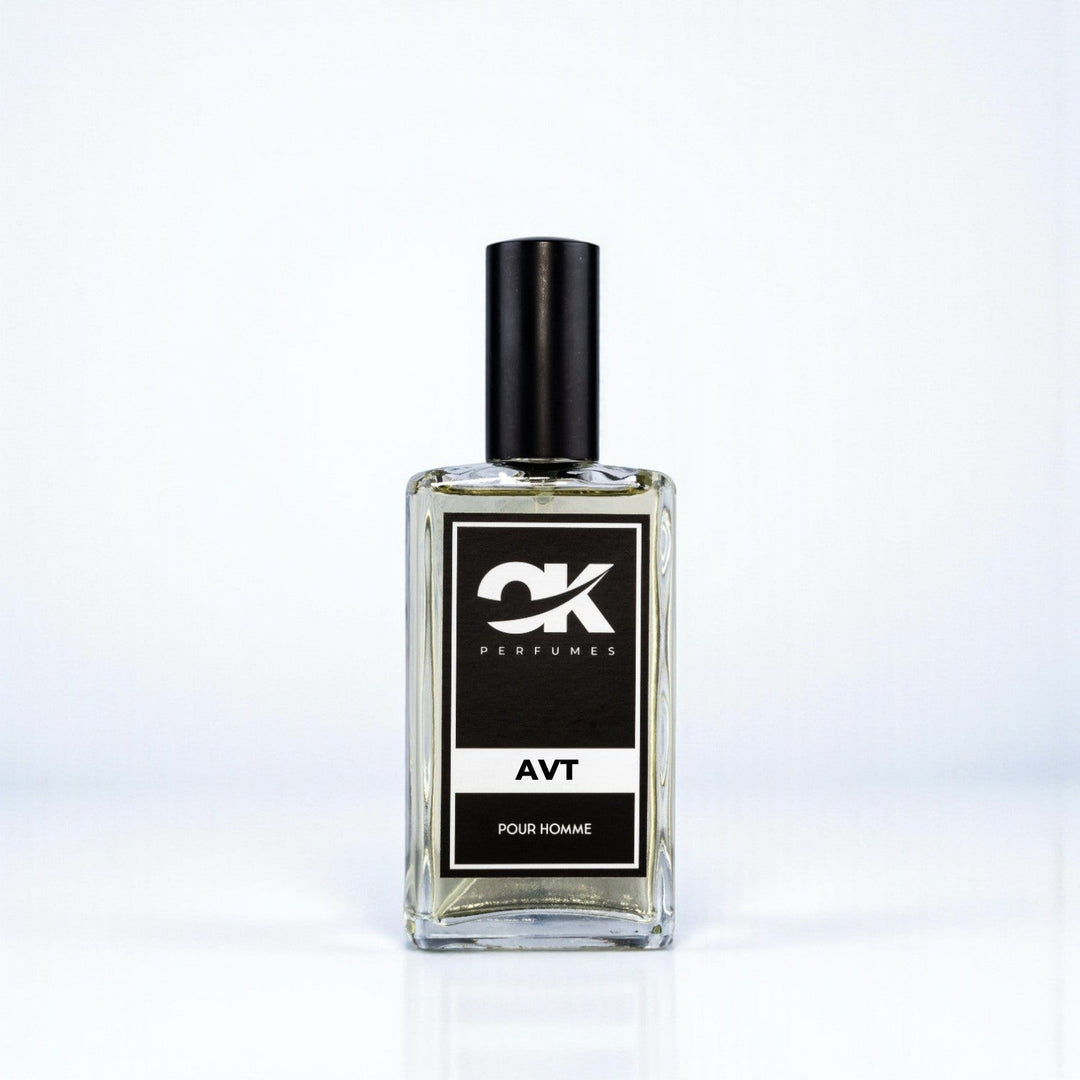





Leave a comment