






The Art of Perfumery: Creating Unique Fragrances
Summary
Perfumery is an ancient art that combines science and creativity. This article explores its history, the fragrance creation process, the importance of equivalency, and current innovations in the field, including sustainability and personalization. Discover how scents can evoke emotions and reflect individuality.
Frequently Asked Questions
1. What is the origin of perfumery?
2. How is a fragrance created?
3. What is the olfactory pyramid?
4. What does "equivalency" mean in perfumery?
5. How is perfumery evolving in the 21st century?
Perfumery is an art that combines science and creativity, allowing for the creation of fragrances that can evoke emotions, memories, and even influence the perception of those who wear them. In this article, we will explore the fascinating history of perfumery, how fragrances are created, and the importance of equivalency in this magical olfactory world.
A Journey Through the History of Perfumery
The art of perfumery dates back thousands of years. Early civilizations, such as the Egyptians, used fragrant oils and balms for ceremonies and rituals. Throughout history, perfumery has evolved, transforming into a form of artistic expression.
Ancient Civilizations and Their Love for Scents
The ancient Egyptians not only used fragrances in rituals but also created perfumes for daily use. The use of natural ingredients like flowers, resins, and spices was common. In Mesopotamia and ancient China, methods for extracting essential oils were also documented. These advancements marked the beginning of what we now know as modern perfumery.
The Process of Creating a Fragrance
Creating a fragrance is a meticulous process that requires extensive knowledge, skill, and passion. Perfumers, also known as "noses," are the artists behind each distinctive scent. Let's analyze the fundamental stages in the creation of a fragrance.
1. Ingredient Selection
Ingredients are the foundation of any fragrance. These can be natural, such as essential oils from flowers and fruits, or synthetic, which allows for more versatility. Citrus fragrances are a perfect example of how different fresh notes can be combined to create an energizing and revitalizing scent.
2. The Olfactory Pyramid
The olfactory pyramid is a crucial concept in perfumery. It consists of three levels:
- Top notes: These are the first to be perceived and are generally fresh and light. Citrus fragrances often occupy this spot, offering a vibrant opening.
- Heart notes: These are the core of the fragrance, developing once the top notes evaporate. These notes are softer and may include flowers or spices.
- Base notes: These are the most persistent, offering depth and richness to the perfume. They usually include woods, musks, or resins.
3. Mixing and Maturation
Once the ingredients have been selected and the olfactory pyramid established, the mixing process begins. This requires considerable expertise, as each ingredient interacts differently. After mixing, the fragrance must rest or mature, allowing the notes to integrate and stabilize.
4. Bottling and Presentation
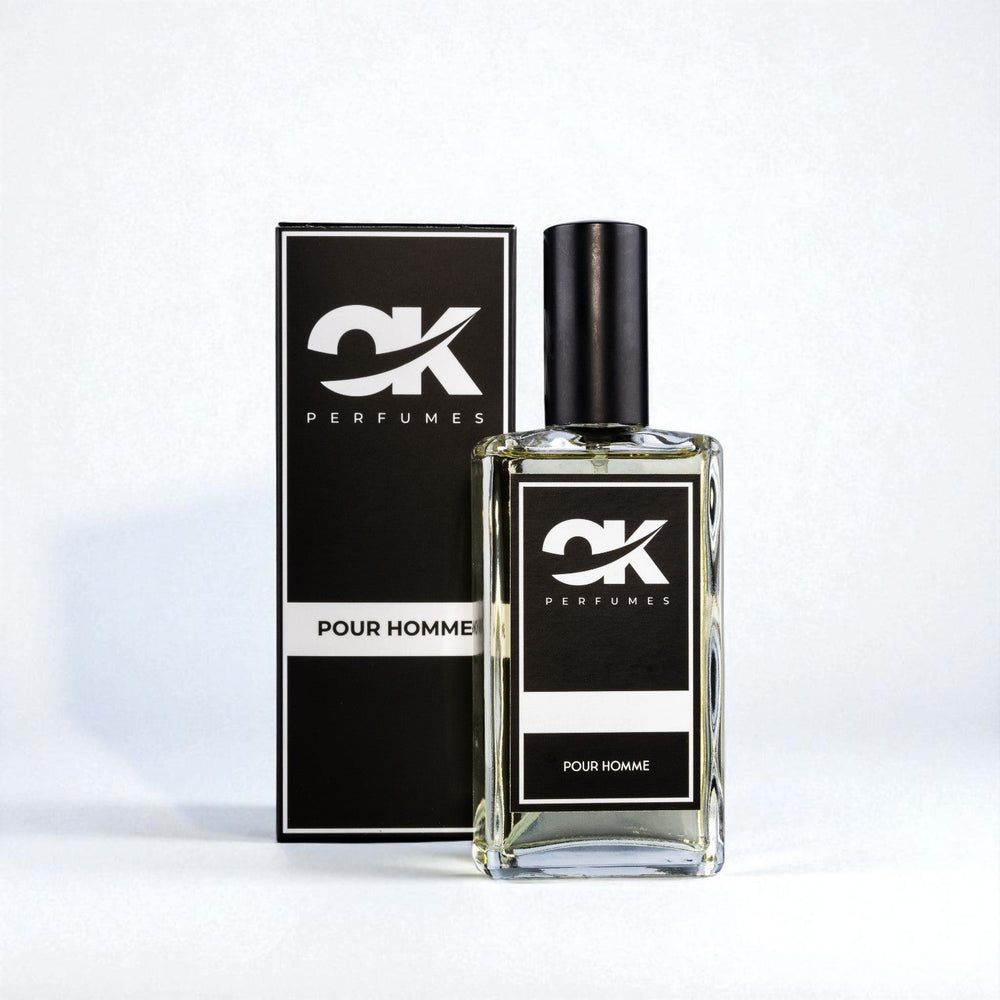
The final step is bottling. The presentation of the fragrance is vital, as an attractive design can capture consumer attention. Every detail, from the bottle to the label, plays an important role in the perception of the scent.
The Importance of Equivalency in Perfumery
Equivalency in perfumery refers to the ability to reproduce a popular fragrance using more accessible ingredients or in different proportions, providing similar scents at a lower cost. This has allowed more people to access high-quality aromas without compromising the overall experience.
Why Opt for Equivalency?
Opting for equivalency has its advantages. Some of them are:
- Economic savings: Equivalent fragrances, though similar in scent, are usually more affordable.
- Accessibility: It allows experimenting with different scents without spending large sums of money.
- Variety: Equivalency helps consumers explore different options and find their ideal bottle.
The Future of Perfumery
As we advance into the 21st century, perfumery is experiencing exciting innovations. Sustainability and the use of natural ingredients have become crucial in the creation of new fragrances. Consumers are increasingly concerned about the environmental impact of their choices, pushing brands to adopt responsible practices in product formulation.
Emerging Perfumers and New Trends
New talents are emerging in the perfumery industry, bringing freshness and originality to this art. With the rise of personalization, many perfumeries now offer the option to create custom fragrances, providing customers with a unique and personal experience.
Technology in Fragrance Development
Technology also plays an important role in the creation of modern fragrances. Advances in chemistry can help synthesize complex fragrances and analyze olfactory preferences more effectively. However, the art of perfumery remains a field where human intuition and experience are essential.
A Personalized Aromatic Journey
Perfumery is a personal and sensory experience that can connect people with their deepest emotions. Experimenting with different aromas, such as citrus fragrances, can be a way to discover new facets of oneself. Creating a unique fragrance is a journey that invites exploration and individuality.
So don't hesitate to immerse yourself in the world of perfumery, explore new fragrances, and perhaps find that essence that complements your personality and lifestyle. Here, on our site, you will find a variety of possibilities to start your own olfactory adventure.
The world of perfumery is full of aromas, history, and creativity. From ingredient selection to the art of equivalency, every step in the fragrance creation process is vital to offering experiences that awaken the senses. Start your own journey today and discover how a simple scent can transform into a unique expression of yourself.
Linked Product

ADP - Reminiscent of Acqua di Parma
Recuerda a Acqua di Parma is a versatile unisex fragrance that adapts to the wearer, enhancing their unique personality rather than overshadowing it. Suitable for all occasions and seasons, it offers a fresh, citrusy profile with herbal and creamy undertones, making it comfortable in various climates. Whether worn by a young individual, a business professional, or anyone in between, this fragrance reflects the essence of the person, creating a personalized olfactory experience.
View Product





Leave a comment