




Discover the Art Behind Fragrances
Summary
Fragrance creation is an art that combines science and creativity, with a process that includes ingredient selection, formulation, and marketing. From its roots in ancient civilizations to modern innovations, each perfume tells a unique story and evokes emotions.
Table of Contents
- The History of Perfumery
- The Raw Materials of Perfumery
- The Fragrance Creation Process
- 1. Perfume Briefing
- 2. Ingredient Selection
- 3. Formula Creation
- 4. Testing and Adjustments
- 5. Production and Packaging
- The Importance of Marketing in the World of Fragrances
- Price Differences in Perfumes
- Fragrances in Popular Culture
- Innovations in the Perfumery Industry
- A World of Scents to Discover
Key Takeaways
- Perfumery is an ancient art that combines science and creativity, with roots in civilizations such as Egypt, Greece, and Rome.
- The raw materials used in creating perfumes can be natural (flowers, spices, woods) or synthetic, each contributing unique characteristics.
- The fragrance creation process includes several stages, from the initial briefing to the production and packaging of the final product.
- Fragrances are divided into three note categories: top notes, heart notes, and base notes, each with a specific role in the olfactory experience.
- Marketing is crucial for a perfume's success, as the way it is presented can influence its perception and sales.
- The price of perfumes varies according to the quality of ingredients, production volume, and packaging design, influencing its market positioning.
- Innovations in the industry include personalized and sustainable fragrances, as well as sensory experiences that enrich the emotional connection with products.
Fragrance creation is an ancient art that combines science and creativity. From luxury perfumes to fresh colognes, each fragrance is the result of a delicate process that requires skill, knowledge, and a touch of magic. In the world of perfumery, how fragrances are created can be as fascinating as the scents themselves. In this article, we will explore the various steps involved in perfume making, uncovering the secrets hidden behind each bottle.
The History of Perfumery
Perfumery has its roots in ancient civilizations. Egyptians, Greeks, and Romans used fragrances for religious rituals, ceremonies, and as part of their daily beauty routines. Over time, this practice refined, and perfume production came to be considered an art. Today, the fragrance creation process has evolved, incorporating technology and scientific knowledge, but the essence of the art remains intact.
The Raw Materials of Perfumery
One of the most important aspects of perfume creation is the selection of raw materials. These can be of natural or synthetic origin. Natural raw materials include:
- Flowers: such as rose, jasmine, and lavender.
- Spices: such as cardamom and cinnamon.
- Woods: such as sandalwood and cedar.
- Citrus: such as lemon or bergamot.
- Resins: such as amber and frankincense.
Synthetic raw materials, on the other hand, are crucial as they allow for replicating scarce natural scents or creating unique fragrances that would otherwise be unimaginable. The combination of these ingredients is what brings luxury perfumes to life.
The Fragrance Creation Process
The creation of a fragrance is a complex process involving several stages. Below, we break down the process into key stages:
1. Perfume Briefing
It all starts with a briefing where the brand or creator discusses the perfume's vision. This includes the concept, the story behind the fragrance, and the target audience. The type of fragrance is also defined: will it be a luxury perfume, a fresh scent, or a sporty cologne?
2. Ingredient Selection
Once a clear vision is established, the perfumer selects ingredients that align with the briefing. This can include both natural and synthetic materials. The perfumer plays with proportions and combinations to find the perfect balance between the notes.
3. Formula Creation
After ingredient selection, it's time to create the perfume formula. This is a delicate combination that seeks to achieve a perfect symbiosis between the different notes. Fragrances are divided into three note categories:
- Top notes: these are the first to be perceived when applying the perfume, usually fresh and light.
- Heart notes: emerge once the top notes fade, they are more complex and often floral or fruity.
- Base notes: these linger on the skin, usually warm and deep, such as woods or amber.
4. Testing and Adjustments
Once the perfume has been formulated, various tests are carried out. Perfumers need to evaluate how the fragrance evolves over time and how it is perceived on different skin types. Minor adjustments are often made to perfect the fragrance and ensure it meets the expectations of the initial briefing.
5. Production and Packaging
Once the perfume has been approved, production begins. This includes mixing the ingredients in large quantities and then bottling them. Packaging is another crucial element, as an attractive design can influence the perception of the perfume's price and luxury.
The Importance of Marketing in the World of Fragrances
Marketing plays a fundamental role in the launch of a new perfume. Brands use various strategies to position their products. From social media promotions to launch events, how a perfume is presented can make a difference in its market success. In particular, luxury perfumes are often positioned in a premium segment, implying a narrative that highlights their exclusivity and quality.
Price Differences in Perfumes
The price of perfumes can vary significantly. Factors influencing the price include:
- Ingredient quality: Luxury perfumes tend to include rare and high-quality ingredients, which increases the cost.
- Production volume: Small batches are often more expensive to produce, which is reflected in the consumer price.
- Packaging design: Personalized and exclusive packaging design can also increase the final product price.
Fragrances in Popular Culture
Fragrances are not just about scents; they have a special place in popular culture. Movies, music, and literature have integrated the concept of fragrances in different ways, elevating their status. Many celebrities have launched their own perfume lines, ensuring their names are associated with distinctive aromas that reflect their unique personality.
Innovations in the Perfumery Industry
Innovation is fundamental in the perfumery industry. Advances in technology have allowed perfumers to explore new ways of combining aromas and creating more complex fragrances. Some current trends include:
- Personalized fragrances: More and more brands offer the possibility of creating custom fragrances to meet the individual needs of each customer.
- Sustainable fragrances: With a growing interest in the environment, there is a boom in the use of sustainable ingredients and production techniques that are respectful of the planet.
- Sensory experiences: Brands are increasingly interested in creating shopping experiences that enrich the emotional connection with their products, using augmented reality and other technologies.
A World of Scents to Discover
Each fragrance tells a unique story and evokes different emotions. The creation journey is as captivating as the final product. From ingredient selection to marketing campaign creation, each stage is a testament to the art of perfumery. Whether you are a lover of luxury perfumes or just starting to explore the world of fragrances, remember that behind each scent lies a fascinating process that values both creativity and precision.
At the end of the day, every fragrance has the power to speak to us in ways words cannot. The next time you apply your favorite perfume, think about the laborious processes that led to its creation and how each drop encapsulates a world of sensations.
Glossary
| Term | Meaning |
|---|---|
| Fragrance | A combination of aromas perceived when smelling a perfume. |
| Top notes | The initial aromas perceived upon applying a perfume. |
| Heart notes | Aromas that emerge after the top notes, more complex. |
| Base notes | Aromas that linger on the skin, usually warm and deep. |
| Raw material | Ingredients used to create fragrances, natural or synthetic. |
| Luxury perfume | High-quality fragrances, often with rare ingredients. |
| Briefing | Initial discussion about a perfume's vision and concept. |
| Testing | Evaluations performed to adjust the fragrance before production. |
| Marketing | Strategies used to promote and position a perfume in the market. |
Linked product

PACK 6x15 mL - Perfumes you must try
The "PACK 6x15 mL" offers a selection of six unique fragrances, each with its own inspiration, allowing you to explore different aromas in a compact format. Ideal for those who want to experiment with various perfumery options, this pack is perfect for trying new fragrances before committing to a larger size. Its presentation in 15 mL bottles makes it easy to transport and use daily.
View product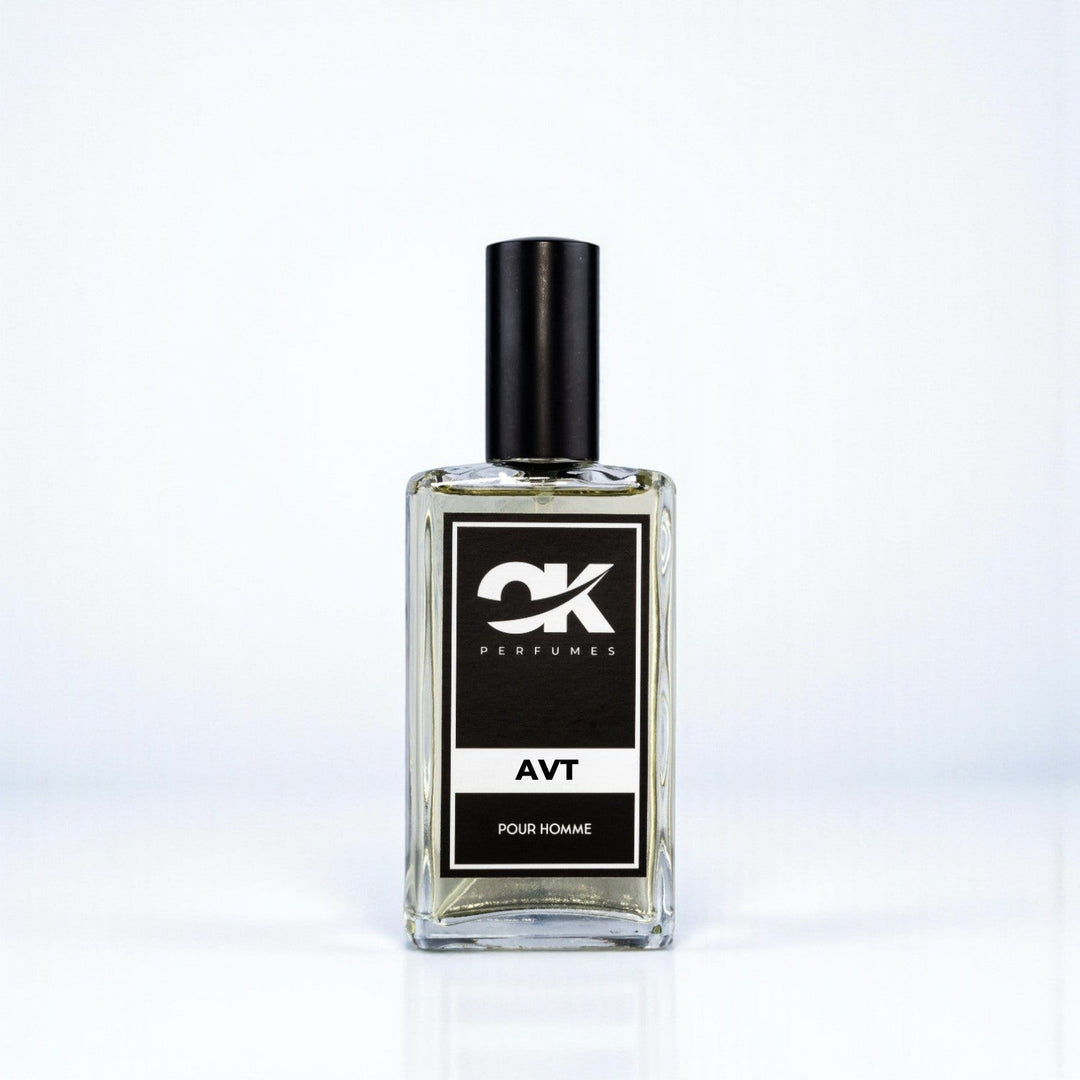





Leave a comment