





Explore the Art of Perfumery: The Aromatic Masters
Summary
The art of perfumery has evolved from ancient Egypt to the present day, highlighting the creativity and quality of perfumers. Known as "noses," these professionals combine ingredients to create fragrances that evoke emotions. Quality is essential, and the industry faces debates about the use of natural versus synthetic ingredients. Additionally, sustainability and technology are shaping the future of perfumery. Choosing a perfume is a personal experience that reflects each individual's identity.
The fascinating world of perfumery has been a refined art form throughout the centuries. From ancient civilizations to today's luxury brands, the creation of perfumes offers us an unparalleled sensory experience. But who are the creative minds behind these exquisite fragrances? Today, we will delve into the universe of the best perfumers and discover the art of perfumery, highlighting the quality and creativity that define this discipline.
The History of Perfumery
The history of perfumery begins in Ancient Egypt, where priests used fragrances in rituals. Over time, the art of creating scents expanded throughout the world, from Persia to India. This evolution has been marked by the search for rare ingredients and innovation in distillation techniques.
Scents in Antiquity
The ancient Egyptians, for example, used perfumes to honor gods and in religious ceremonies. Ingredients like frankincense and myrrh were fundamental. With the advent of the Renaissance, perfumery modernized, and new extraction techniques allowed for the creation of more complex perfumes.
The Profession of Perfumer
Being a perfumer is an art that requires talent, sensitivity, and a deep knowledge of raw materials. These professionals, often called "noses," are capable of combining different elements to create unique scents that evoke emotions and memories.
The Skills of a Perfumer
The perfume creation process is meticulous and involves several stages. Some of the key aspects that distinguish a great perfumer are:
- Ingredient Knowledge: It is vital to understand how essential oils and synthetic compounds interact.
- Ability to Experiment: The best perfumers spend hours testing new combinations until they find the perfect fragrance.
- Creativity: Each perfumer has their personal style, which defines their creations and makes them unmistakable.
- Emotional Connections: A good perfumer knows how to evoke emotions and memories through their fragrances.
The Great Masters of Perfumery
Over time, several perfumers have left their mark on the industry with their memorable fragrances. Below, we explore some of the most recognized names that have transformed the art of perfumery.
Jean-Claude Ellena
Jean-Claude Ellena, known for his work with Maison Hermès, is one of the most influential perfumers of our time. His minimalist approach and his ability to capture the spirit of a place or an emotion have led him to create iconic perfumes that are appreciated worldwide. His style is characterized by clarity and freshness, creating fragrances that are as light as they are evocative.
Francesca Bianchi
Francesca Bianchi is a prominent name in contemporary perfumery, recognized for her bold and experimental approach. Her creations are sensual and evocative, capturing the essence of the contemporary woman. Every drop of her fragrances tells a story, making each perfume a unique experience.
Alberto Morillas
A master in perfume creation, Alberto Morillas is responsible for emblematic fragrances that have marked the history of perfumery. His talent lies in his ability to blend tradition with modernity, creating perfumes that are both timeless and innovative.
The Importance of Quality in Perfumery
Quality is a crucial aspect in the world of perfumes. A high-quality perfume not only uses superior ingredients but also follows a careful and artisanal creation process. In this sense, the choice of ingredients is fundamental to obtain a fragrance that endures over time and resonates with the senses.
Natural vs. Synthetic Ingredients
The debate over the use of natural versus synthetic ingredients has been a hot topic in the perfumery industry. Although natural ingredients are valued for their authenticity, synthetic compounds offer greater versatility and consistency. The key is to find a balance and ensure that quality is not compromised.
The Perfume Creation Process
Creating a perfume is a multi-stage process that requires time, patience, and skill. From conceptualization to final formulation, a perfume's journey is fascinating.
Fragrance Categorization
Fragrances can be classified into different families, each with its characteristics. Categories include:
- Citrus: Fresh and energizing, ideal for daytime.
- Floral: Romantic and feminine, perfect for special occasions.
- Oriental: Exotic and seductive, ideal for evening.
- Woody: Rich and enveloping, perfect for a touch of warmth.
The Sensory Impact of a Perfume
A fragrance has the power to evoke memories and emotions. A perfume reminiscent of J'adore, for example, can bring to mind special moments or loved ones. This emotional bond is what makes a perfume more than just a fragrance; it is a part of our identity.
The Psychology of Scent
Studies show that scents can influence our mood and social interactions. A carefully selected perfume can boost confidence and improve how others perceive us. This makes choosing a perfume a personal and meaningful decision.
Perfume Care and Application
Once you've found the perfect fragrance, it's important to know how to apply it properly to maximize its longevity and effectiveness. Here are some practical tips:
- Apply to warm areas: Pulse points, such as wrists and behind the ears, help diffuse the scent.
- Do not rub: Rubbing perfume can alter the molecules and change the fragrance.
- Use unscented lotions: Ensure your skin is hydrated and does not compete with your perfume's scent.
The Future of Perfumery
As technology advances, so does the world of perfumery. Artificial intelligence and sustainability are beginning to play a crucial role in fragrance creation. However, the human touch and creativity will remain irreplaceable in the art of perfumery.
Sustainability in the Industry
A growing number of brands are committed to sustainable practices. This involves using responsible ingredients and reducing the ecological footprint during production. Quality refers not only to the fragrance itself but also to how it is produced.
A Unique Shopping Experience
Visiting a perfume store should be a memorable experience. When buying a perfume, you are not just choosing a scent, but also a story and a connection. Customer service and in-store experience are fundamental for customers to find the perfume that best represents them.
The Importance of Advice
Having an expert perfume advisor can be invaluable. They can guide you through the different options and help you discover fragrances that suit your personality and lifestyle.
Concluding the Aromatic Journey
The journey through the art of perfumery is as rich and diverse as the fragrances themselves. By exploring the best perfumers and understanding the processes behind perfume creation, we further appreciate the quality and expertise found in every bottle. Each time you choose a perfume, you are not just selecting a scent but choosing a part of your identity. Allow yourself to enjoy the magic each fragrance offers, become an explorer of what goes beyond the senses, and find your essence in the fascinating world of perfumery.
Linked Product

JDR - Reminiscent of J'adore by Dior
JDR - Reminiscent of J'adore by Dior offers a sophisticated blend of floral and fruity notes, making it a versatile choice for various occasions. This fragrance is designed to enhance femininity and confidence, appealing to those who appreciate elegant scents. Ideal for everyday wear or special events, it serves as a statement piece in any perfume collection.
View product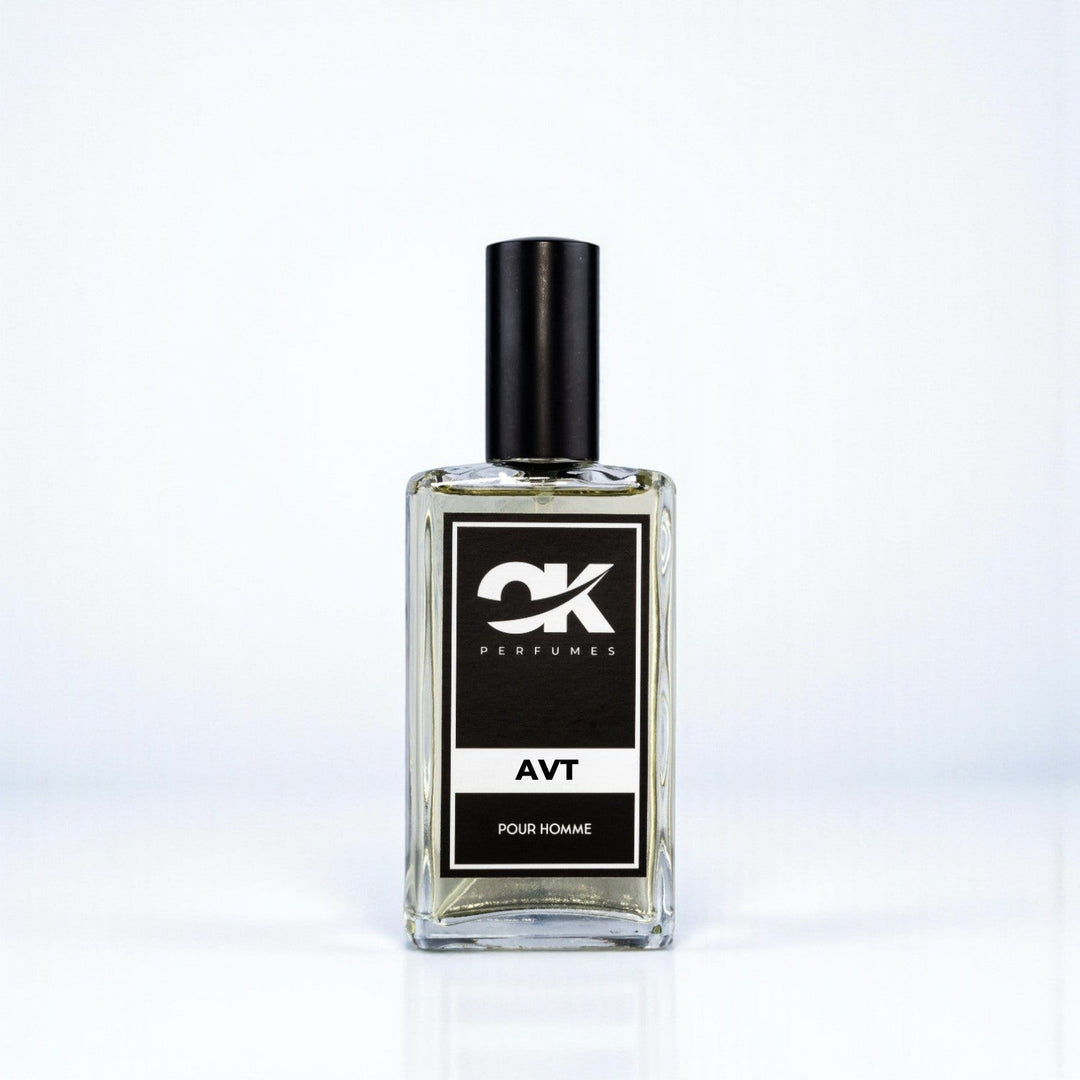





Leave a comment