





The Art of Perfumery: Creating Unique Fragrances
Summary
The blog explores the art and science of perfumery, from its history and creation process to the importance of quality and current trends. Tips for choosing perfumes and the emotional connection fragrances have with our memories are discussed. Furthermore, a future where sustainability and personalization will be key in the industry is anticipated.
Table of contents
- The history of perfumery
- The perfume creation process
- 1. Concept and design
- 2. Ingredient selection
- 3. Formula creation
- 4. Maceration and aging
- 5. Filtering and bottling
- Current trends in perfumery
- 1. Unisex fragrances
- 2. Personalization
- The importance of quality in perfumery
- Tips for choosing your ideal perfume
- The emotional connection with fragrances
- Olfactory memory
- The future of perfumery
- Embark on your olfactory adventure
Key takeaways
- History of perfumery: Perfumery has roots in ancient civilizations such as Egypt and Mesopotamia, evolving throughout the centuries.
- Creation process: The creation of a perfume involves several stages: concept, ingredient selection, formulation, maceration, and bottling.
- Key ingredients: Quality perfumes use natural essences such as flowers, spices, and woods, ensuring a lasting experience.
- Current trends: The demand for vegan and unisex fragrances is increasing, reflecting a shift towards sustainability and inclusivity.
- Quality in perfumery: The quality of the ingredients and the manufacturing process are decisive in the longevity and complexity of a perfume.
- Tips for choosing: It is important to test the perfume on the skin and consider the occasion and season before deciding.
- Olfactory memory: Fragrances can evoke memories and emotions, making the choice of a perfume a significant personal experience.
The world of perfumery is a multicolored universe where art, science, and creativity intertwine to create fragrances that capture the essence of moments, emotions, and memories. In this guide, we will explore the process behind the art of perfumery, the key ingredients, and how perfume houses create the perfumes you must try. We will also analyze the importance of quality in every scent. Join us on this fascinating olfactory journey!
The history of perfumery
Perfumery has existed since ancient times, with its roots in civilizations such as Egypt, Mesopotamia, and China. From the use of aromatic oils in religious rituals to the creation of perfumes for personal enjoyment, perfumery has evolved over the centuries. Today, it is considered both an art and a science, with an industry that generates billions of dollars annually.
The perfume creation process
Creating a fragrance is not just about mixing scents; it is a meticulous process that combines diverse elements to achieve the desired composition. Below, we break down the essential stages of the perfume creation process.
1. Concept and design
It all starts with an idea. Perfumers, also known as "noses," draw inspiration from different sources: landscapes, memories, or even emotions. This phase involves creating a clear concept that will guide the development of the fragrance.
2. Ingredient selection
The next step is to select the ingredients. Perfume houses use a wide range of materials, from natural essences to synthetic compounds. Some of the most common ingredients include:
- Flowers: roses, jasmine, and lilies.
- Spices: cinnamon, pepper, and clove.
- Fruits: citrus, apples, and berries.
- Woods: sandalwood and cedar.
- Gourmand notes: vanilla and chocolate.
The quality of these ingredients is crucial. The perfumes you must try usually contain high-quality material that ensures a lasting and authentic olfactory experience.
3. Formula creation
After selecting the ingredients, the formulation process begins. Perfumers combine notes to find the perfect balance. A fragrance is usually structured in three parts: top notes, heart notes, and base notes.
- Top notes: These are the first to be perceived and are usually fresh and light.
- Heart notes: These are the core of the fragrance and give it its personality.
- Base notes: These are the longest-lasting and add depth to the blend.
4. Maceration and aging
Once the formula is ready, the mixture is left to rest. This process, known as maceration, allows the notes to integrate and mature. Depending on the complexity of the perfume, this process can last from weeks to months. Aging is essential to achieve that balanced and refined final scent.
5. Filtering and bottling
After macerating, the perfume is filtered to remove impurities. Then, it is bottled in carefully designed containers that not only protect the liquid but also reflect the aesthetics of the fragrance. An attractive bottle can add emotional value, becoming a work of art in itself.
Current trends in perfumery
Like fashion, perfumery also leans towards new trends. In recent years, we have seen an increase in demand for vegan and cruelty-free perfumes. Sustainability and transparency in ingredient sourcing have become crucial for many consumers. Brands are now more focused on offering high-quality products that meet these expectations.
1. Unisex fragrances
Unisex fragrances have gained popularity, breaking gender stereotypes. Many consumers today seek scents that can be worn by anyone, regardless of their gender identity.
2. Personalization
Personalization is also a growing trend. More and more, brands are offering fragrance creation experiences where consumers can design their own blend. This interaction not only creates an emotional bond but also ensures that each fragrance is unique.
The importance of quality in perfumery
Talking about quality in perfumery is paramount. The difference between a quality perfume and an inferior one often lies in the ingredients used and the manufacturing process. The perfumes you must try are generally characterized by the use of pure ingredients, rather than synthetic compounds.
High-quality fragrances tend to last longer on the skin and offer a more complex evolution while being worn. The quality of the fragrance also affects how others perceive it. A well-crafted perfume not only smells good but also tells a story through its aroma.
Tips for choosing your ideal perfume
Choosing a perfume is an experience as personal as selecting a piece of clothing. Here are some tips to help you find the fragrance that resonates with you:
- Try before you buy: Make sure to test the perfume on your skin to see how it interacts with your body chemistry.
- Take your time: The first impression may not be the one that lasts. Allow the fragrance to evolve on your skin throughout the day.
- Consider the occasion: Some fragrances are more suitable for formal occasions, while others are ideal for daily wear.
- Consider the seasons: Fragrances can also be seasonal. Fresh scents are ideal for summer, while warmer notes are perfect for winter.
The emotional connection with fragrances
Fragrances have the power to evoke memories and emotions, making them more than just simple scents. From a wedding to a special trip, a perfume can instantly transport us back to those moments. Therefore, choosing a fragrance should be a decision based not only on quality and scent but also on the emotional connection we feel towards it.
Olfactory memory
Olfactory memory is one of the most powerful senses related to memory. It is said that the sense of smell is intimately linked to the limbic system, which is the part of the brain that controls emotions and memories. This means that smelling a particular perfume can bring back memories from your life with great clarity.
The future of perfumery
The future of perfumery is based on innovation and adaptation to the new needs and desires of consumers. With the growth of environmental awareness, sustainability is expected to play an increasingly important role. Brands will be forced to adapt to more ethical practices and to use ingredients that are not only high-quality but also responsible.
Furthermore, technology will surely play a role in the creation of personalized perfumes, allowing consumers to create fragrances tailored to their preferences that reflect their unique character.
Embark on your olfactory adventure
The art of perfumery is an exciting journey that combines science, art, and emotion. Each fragrance tells a story, and now that you know a little more about how fragrances are created, you are one step closer to finding that special scent that reflects your essence.
Whether you are looking for a perfume for yourself or a meaningful gift for someone special, remember that the final choice should resonate with you and offer you a unique sensory experience. So venture out and discover the world of perfumes you must try. Your nose and your heart will thank you!
Glossary
| Term | Meaning |
|---|---|
| Perfumery | The art and science of creating fragrances. |
| Fragrance | A pleasant aroma produced by perfumes. |
| Top notes | The first olfactory impressions of a perfume. |
| Heart notes | The core of the fragrance that defines its character. |
| Base notes | Long-lasting elements that add depth. |
| Maceration | Resting process to integrate the notes. |
| Filtering | Removal of impurities before bottling. |
| Customization | Creation of unique fragrances based on preferences. |
| Quality | Use of pure ingredients and careful processes. |
| Olfactory memory | The ability of the sense of smell to evoke memories. |
Linked product

PACK 6x15 mL - Perfumes que debes probar
The PACK 6x15 mL offers six distinct fragrances, each in a convenient 15 mL bottle, allowing users to explore a variety of scents that evoke popular inspirations. This collection includes TBV (Tobacco Vanille), LYT (Layton), NXS (Naxos Xerjoff), GSO (Grand Soir), OMB (Ombré Leather), and NEX (Noir Extreme). Ideal for those looking to discover new favorites or for sampling unique fragrances, this limited edition pack provides a versatile addition to any perfume collection.
View product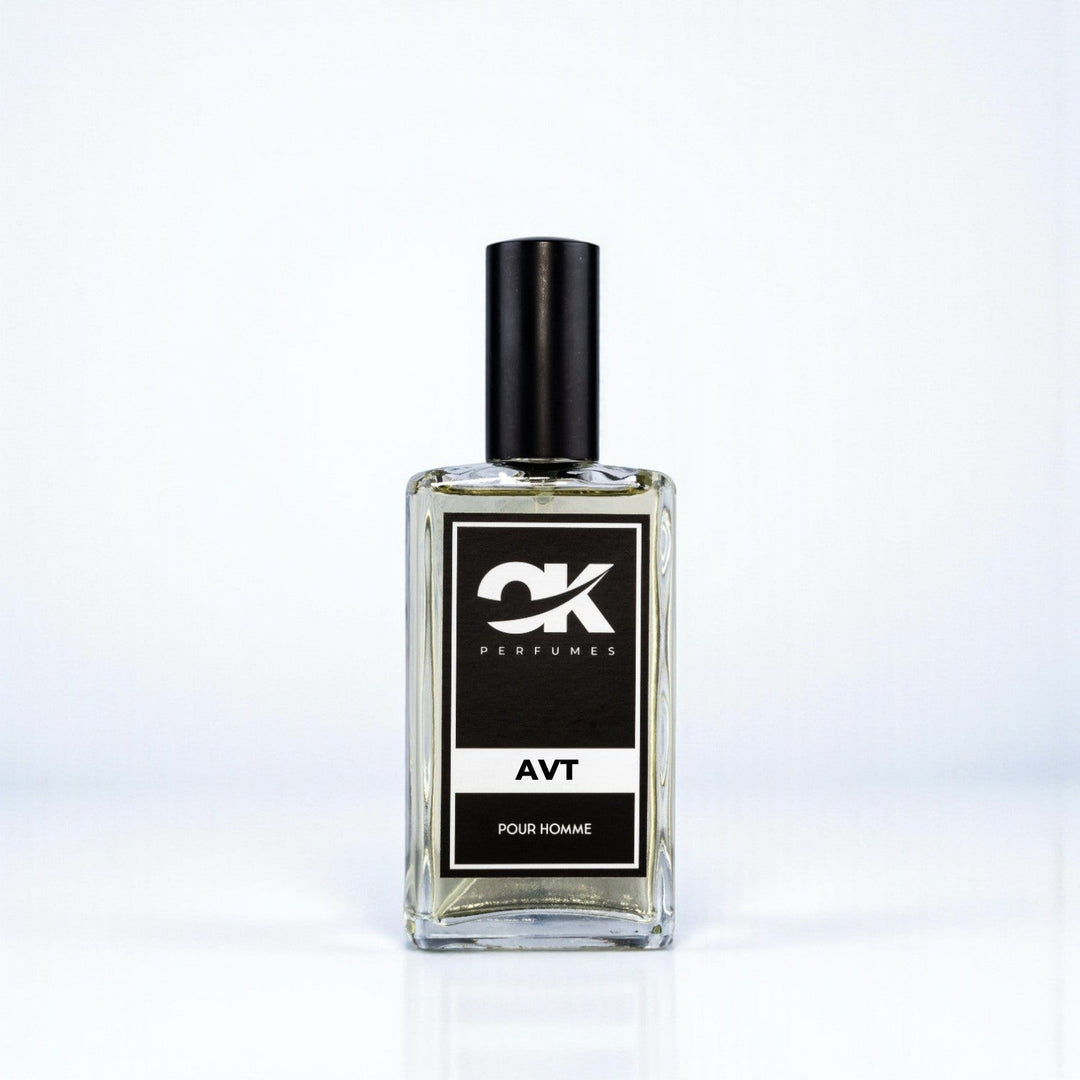





Leave a comment