





The Art of Creating Fragrances: Manufacturing Process
Summary
Fragrance creation combines science, art, and creativity, from ingredient selection to bottling. Key stages include choosing natural and synthetic ingredients, composing olfactory notes, testing, production, and olfactory marketing. Additionally, the article explores equivalence in perfumery and future trends towards sustainability and fragrance personalization.
Table of contents
- Introduction to Fragrance Creation
- Ingredient Selection
- Natural Ingredients
- Synthetic Ingredients
- The Composition Process
- Top Notes
- Heart Notes
- Base Notes
- Testing and Adjustments
- The Production Process
- Ingredient Blending
- Maturation
- Filtering and Bottling
- The Importance of Olfactory Marketing
- What is Equivalence in Perfumery?
- The Future of Fragrances
- Sustainability in Fragrance Creation
- Personalized Fragrances
- Exploring New Trends in Fragrances
Key Takeaways
- Ingredient Selection: The choice of natural and synthetic ingredients is crucial for creating unique fragrances.
- Composition Process: Three types of notes are distinguished: top, heart, and base, each with a specific role in the fragrance.
- Testing and Adjustments: Free samples are essential for obtaining feedback before product launch.
- Production: Includes blending, maturation, filtering, and bottling, essential steps to ensure perfume quality.
- Olfactory Marketing: Marketing strategies, such as free samples, help introduce new perfumes to the public.
- Equivalence in Perfumery: Allows popular fragrances to be replicated with different ingredients, offering more accessible options.
- Sustainability and Personalization: The demand for eco-friendly products and personalized fragrances is increasing, reflecting a shift in consumer preferences.
Fragrance creation is a fascinating process that combines science, art, and creativity. From ingredient selection to final bottling, each step is fundamental to ensuring a unique sensory experience. In this article, we will explore the essential steps in perfume making, focusing on the use of free samples and the equivalence between different scents.
Introduction to Fragrance Creation
Fragrances have been a part of our culture for thousands of years, and their popularity has only grown over time. The ability to evoke emotions and memories through scents is a power that many brands seek to capture. To better understand this process, it's important to break it down into clear stages.
Ingredient Selection
The first step in creating a fragrance is the careful selection of ingredients. These can include both natural and synthetic components. When choosing these ingredients, perfumers aim to create a harmonious combination that represents the essence of the fragrance.
Natural Ingredients
Natural ingredients include flowers, fruits, spices, woods, and resins. Each contributes its own personality and character to the perfume. For example:
- Flowers: Provide freshness and softness.
- Fruits: Add a sweet and tart touch.
- Spices: Add warmth and depth.
Synthetic Ingredients
On the other hand, synthetic ingredients are crucial for creating certain aromas that cannot be obtained from natural sources. These ingredients allow for a wide variety of scents and offer consistency in production.
The Composition Process
Once the ingredients are selected, the next step is the perfume's composition. This is where the perfumer's art shines, combining different olfactory notes to create a balanced fragrance. Three types of notes can be distinguished:
Top Notes
Top notes are the first thing perceived when applying a perfume. They are generally light and fresh, as their function is to capture attention. Common examples include citrus like lemon or floral notes like jasmine.
Heart Notes
Heart notes are the body of the fragrance. They are designed to sustain the composition and are more complex than the top notes. This is where notes like rose or lavender typically appear, providing richness to the scent.
Base Notes
Finally, base notes are those that linger the longest on the skin. They tend to be heavier and more long-lasting, such as amber, musk, or wood. These notes are vital for the fragrance's longevity.
Testing and Adjustments
Once an initial composition has been created, it's time for testing. This allows for identifying how the fragrance evolves on the skin and under different conditions. Free samples often play an important role in this phase, as they allow for obtaining feedback from different users before launching the product on the market. Brands can distribute small quantities for people to try, which can influence the final adjustments.
The Production Process
Once the formula is finalized, it moves on to the production process. This can vary depending on the scale of manufacturing, but generally includes the following steps:
Ingredient Blending
Ingredients are blended according to the final formula, ensuring that each component is well integrated. This stage is crucial, as any error can affect the quality of the final product.
Maturation
After blending, the fragrance is usually left to rest for a period. This allows the aromas to merge and mature, creating a more harmonious experience. This step is similar to wine aging, where time can significantly improve the product's quality.
Filtering and Bottling
Once the mixture has matured, the next step is filtering, where any impurities are removed. Finally, the fragrance is bottled and, if necessary, labeled. The bottles must be designed to protect the fragrance from light and air, which could alter its properties.
The Importance of Olfactory Marketing
Once the perfume is ready, it's time to introduce it to the world. Olfactory marketing is a fascinating field that can attract consumers in a unique way. Free samples are an effective strategy to promote a new perfume, allowing potential customers to try it before making a purchase.
What is Equivalence in Perfumery?
Equivalence in perfumery refers to the ability to replicate a similar fragrance using different ingredients. This is especially relevant in today's market, where consumers are looking for more affordable alternatives without sacrificing quality. Some brands specialize in creating equivalents of popular perfumes, providing consumers with more available options.
The Future of Fragrances
As technology advances, the future of the fragrance industry looks promising. The creation of new synthetic molecules, along with a more sustainable approach to sourcing natural ingredients, is transforming how perfumes are made.
Sustainability in Fragrance Creation
More than ever, consumers are looking for products that are eco-friendly and responsible. This means they are increasingly interested in knowing the origin of ingredients and the environmental impact of their choices. Brands that implement sustainable practices, from ingredient harvesting to packaging, will attract a wider and more conscious audience.
Personalized Fragrances
Another emerging trend is personalization. More and more, people are looking for fragrances that are unique and reflect their own identity. This opens the door to creating personalized experiences and using free samples for consumers to experiment with different combinations.
Exploring New Trends in Fragrances
Finally, it is essential to stay up-to-date with new trends in the fragrance industry. From the rise of gender-neutral perfumes to the blending of exotic scents, the world of fragrances is constantly evolving. Brands that adapt to these changes will be better positioned to attract and retain their customers.
Whether you are looking to discover a new fragrance or simply want to know more about how fragrances are created, understanding this process can enrich your appreciation for the art of perfumery. So, the next time you try a free sample, remember that there is a fascinating story behind every scent.
Glossary
| Term | Meaning |
|---|---|
| Fragrance | A combination of scents perceived when smelling. |
| Natural Ingredients | Components derived from nature, such as flowers and fruits. |
| Synthetic Ingredients | Artificially created components to replicate scents. |
| Top Notes | The initial scents perceived when applying a perfume. |
| Heart Notes | Central aromas that give body to the fragrance. |
| Base Notes | Lingering aromas that remain on the skin for longer. |
| Testing | Evaluations of how the fragrance evolves under different conditions. |
| Olfactory Marketing | Strategies to promote perfumes through the sense of smell. |
| Equivalence | Ability to replicate similar fragrances with different ingredients. |
| Sustainability | Responsible practices in sourcing and producing ingredients. |
Linked product

PACK OF 6 SAMPLES
The "PACK OF 6 SAMPLES" allows you to add six perfume samples to your order, providing an excellent opportunity to try different fragrances. Each sample contains approximately 2 mL, allowing for 20 to 30 sprays, ideal for experimenting with new options before making a purchase. You can select the samples you want from the wide range of perfumes available on the website.
View product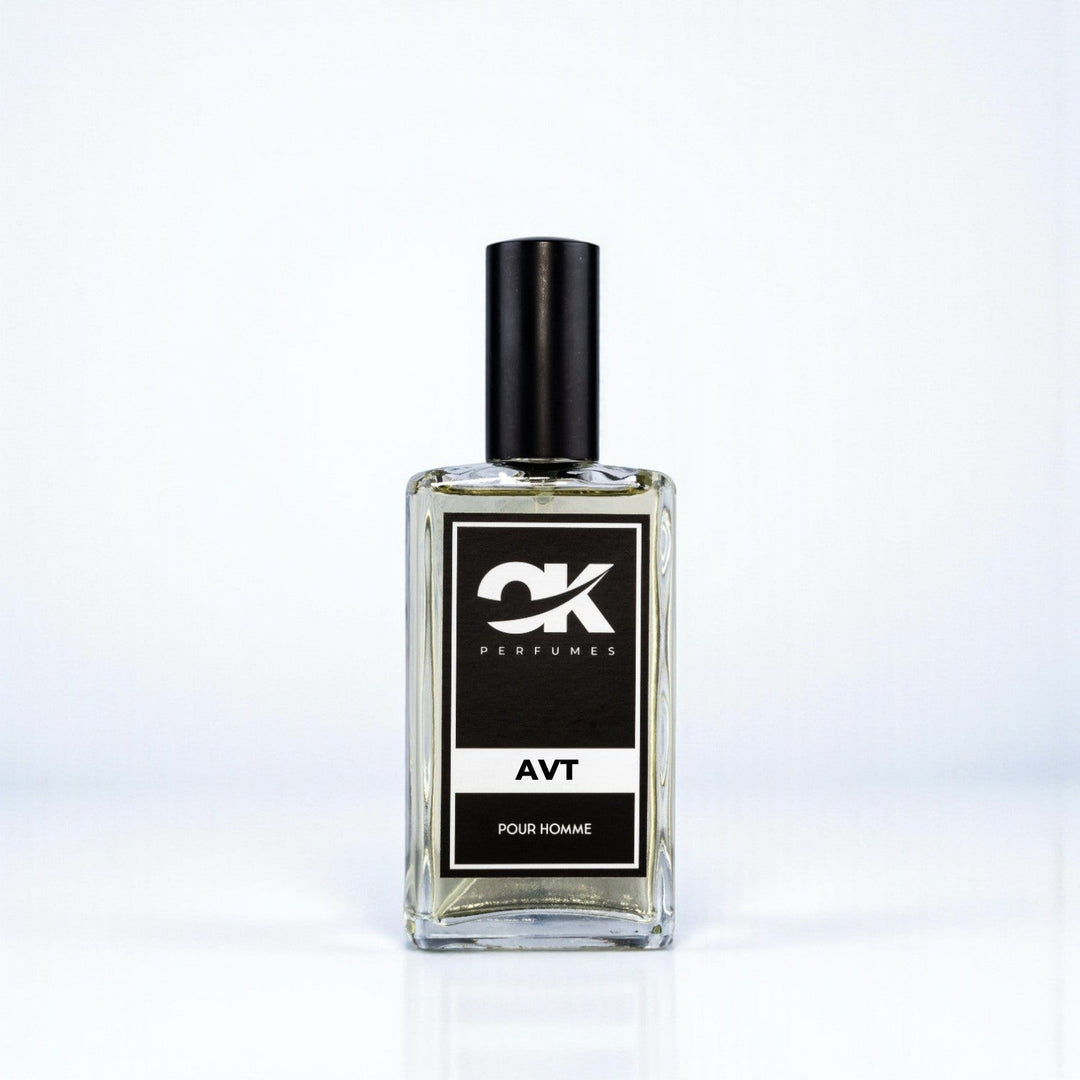





Leave a comment