




The Art of Perfume Creation: An Aromatic Journey
Summary
Perfume creation is an artistic and scientific process that combines history, ingredient selection, and manufacturing techniques. Since ancient times, fragrances have symbolized status and culture. Each perfume is composed of top, middle, and base notes, and its creation requires expertise and patience. Fragrances are not just pleasant smells; they also evoke emotions and memories. The industry is moving towards sustainability and innovation, making each perfume a unique work of art.
Table of contents
Key Takeaways
- Rich History: Perfumes have a long history dating back to ancient civilizations, highlighting their use in rituals and ceremonies.
- Essential Components: Perfume creation is based on three types of notes: top, middle, and base, each playing a crucial role in the fragrance.
- Ingredient Selection: The choice between natural and synthetic essences is vital to achieve the desired balance in the fragrance.
- Meticulous Process: Perfume creation includes steps such as formulation, maceration, and testing to ensure the quality of the final product.
- Emotional Impact: Fragrances can evoke memories and emotions, influencing our mood and self-expression.
- Sustainability in the Industry: The trend towards natural ingredients and responsible production methods is increasing, reflecting greater environmental awareness.
- Perfumer as Artist: Each perfume is considered a work of art that reflects the creativity and passion of the creator, emotionally connecting with the user.
Perfume creation is a fascinating process that combines art, science, and a deep understanding of nature. Since ancient times, fragrances have been a symbol of status, beauty, and culture. In this article, we invite you to discover the art of perfume creation, exploring each step of the process and what makes it so special.
A Glimpse into the History of Perfumes
Perfumes have a long history dating back to ancient civilizations. The Egyptians were famous for their fragrances, used in religious rituals and ceremonies. Over time, perfume making expanded to other cultures, such as the Greeks and Romans, where they were used on different occasions and in daily life.
The art of perfumery truly took off in the Renaissance, when alchemists began experimenting with distillations. This led to the creation of the first perfumes as we know them today. The evolution of methods and techniques has allowed perfumers to combine notes and create fragrances that evoke emotions and memories.
The Key Elements of Perfume Creation
The creation of a perfume involves several fundamental elements that form the olfactory profile of the fragrance. By understanding these components, we can further appreciate the complexity of perfumes.
Top Notes
Top notes are the first to be perceived when applying perfume. These are usually light and fresh, such as citrus and herbs. They are essential for instantly attracting attention, but they evaporate quickly, giving way to the middle notes.
Middle Notes
Also known as heart notes, these are the core of the perfume. These notes begin to emerge after the top notes fade. They frequently include florals and spices, creating a sense of depth and richness in the fragrance.
Base Notes
Base notes are the most lasting and can remain on the skin for hours or days. These notes are usually heavier, such as wood, amber, or vanilla, and are crucial for the perfume's longevity on the skin. The combination of these three layers of notes is what makes each fragrance unique.
The Perfume Creation Process
Creating a perfume is not just a matter of mixing scents. It is a meticulous process that requires creativity, knowledge, and patience. Below, we show you how this fascinating process is carried out.
Ingredient Selection
The first step in perfume creation is ingredient selection. These can be natural or synthetic. Natural essences come from flowers, fruits, leaves, roots, and woods, while synthetic ingredients are created in laboratories to replicate specific scents or to offer greater durability.
Choosing the right ingredients is fundamental to achieving the desired balance between top, middle, and base notes. In the case of 6x15 mL perfume packs, it is possible to experiment with different combinations to discover which one best suits the fragrance's intention.
The Essential Formula
Once the ingredients are selected, the perfumer begins to develop the formula. This involves determining the exact proportion of each component to achieve the perfect balance. Experimenting with different ratios and variations is part of the perfumer's art, as each perfume is a unique masterpiece.
Maceration
After creating the formula, the mixture needs a period of maceration. During this time, the ingredients integrate and merge, allowing the notes to evolve and transform. This process can last from a few weeks to several months, depending on the type of fragrance.
Testing and Refinement
Once maceration is complete, the perfume undergoes testing. This is a crucial step, as it allows the perfumer to determine if the fragrance meets their expectations. Often, adjustments and refinements will be necessary, which may mean returning to earlier stages of the process.
Impact of Fragrance on Emotions
Perfumes are not just pleasant smells; they also have a profound impact on our emotions and memories. Certain fragrances can evoke specific moments in our lives or create particular atmospheres.
In fact, it has been shown that certain scents can influence our mood. Floral fragrances tend to be relaxing, while spicy notes can energize us. Therefore, choosing the right perfume can be a powerful form of self-expression.
The Future of Perfumery
As technology advances, perfume creation is also evolving. New techniques allow perfumers to explore beyond conventional limits, experimenting with ingredients and aromas in innovative ways.
Sustainability also plays an increasingly important role in the perfume industry. Many perfumers are opting for natural ingredients and production methods that minimize environmental impact. This includes the creation of perfumes in 6x15 mL perfume packs, which allow consumers to enjoy a variety of scents without contributing to waste.
Art as a Form of Expression
Each perfume created is, ultimately, a form of art. It is a manifestation of the creativity and passion of its maker. While the process can be technical, the final result is something that speaks to the heart, evoking personal emotions and creating a special connection with the wearer.
Therefore, the next time you choose a perfume, remember that you are not just choosing a fragrance, but also a story, an emotion, and a unique experience. In a world full of options, each perfume has something to offer, waiting to be discovered.
The magic of perfumery lies in its ability to transcend the physical and connect with our deepest emotions. Whether it's a fresh scent that reminds you of a sunny day or a woody fragrance that transports you to a dense forest, the art of perfume creation is truly a sensory journey worth exploring.
Glossary
| Term | Meaning |
|---|---|
| Perfumery | The art of creating fragrances. |
| Top Notes | The first olfactory impressions of a perfume. |
| Middle Notes | The heart of the fragrance, appearing after the top notes. |
| Base Notes | Long-lasting and heavy, they fix the perfume on the skin. |
| Maceration | The process of integrating ingredients into the mixture. |
| Natural Ingredients | Essences extracted from plants and flowers. |
| Synthetic Ingredients | Scents created in a laboratory to replicate fragrances. |
| Longevity | A perfume's ability to last on the skin. |
| Emotional Impact | The influence fragrances have on our emotions. |
| Sustainability | Practices that minimize environmental impact in perfumery. |
Linked Product

PACK 6x15 mL - Perfumes you must try
The 6x15 mL PACK includes six 15 mL bottles of perfumes inspired by popular scents such as Tobacco Vanille, Layton, Naxos Xerjoff, Grand Soir, Ombré Leather, and Noir Extreme. This set offers an excellent opportunity to explore a variety of fragrances in a convenient format. Ideal for those who want to experiment with different scents or find their new favorite fragrance.
View product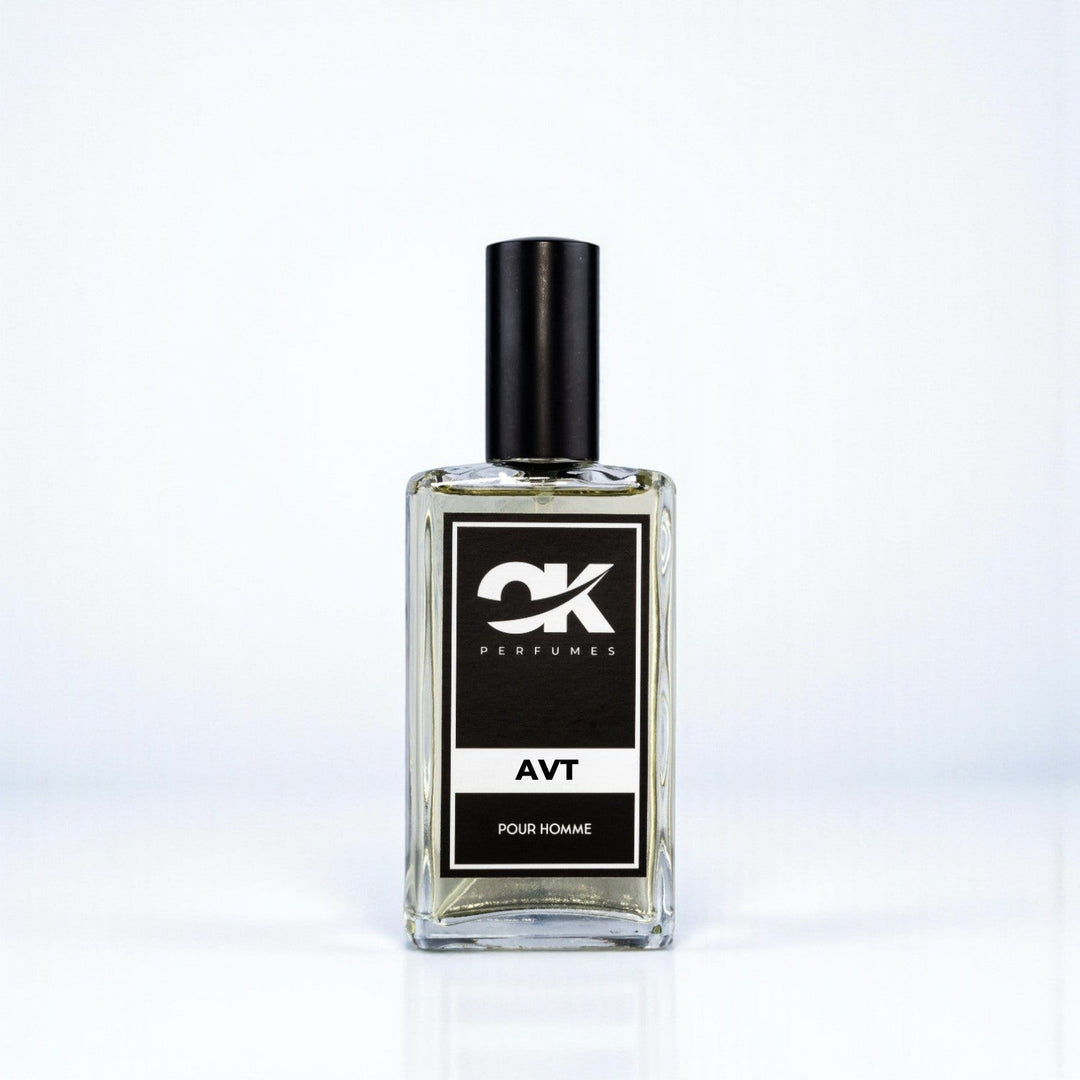





Leave a comment