






Master the Art of Applying Perfume Properly
Summary
Learn how to apply perfume correctly to enhance your personal scent and confidence. Prepare properly, choose pulse points, and adjust the fragrance according to the season. Opt for quality perfumes and avoid common mistakes. Experiment with different techniques for a personal touch.
Table of contents
- Why it's Important to Apply Perfume Correctly
- Prepare Your Skin for Application
- The Best Areas to Apply Perfume
- Pulse Points
- Tips for Applying Perfume
- Seasonal Application
- Spring and Summer
- Autumn and Winter
- Choose Quality Perfumes
- Natural vs. Synthetic Ingredients
- Perfume Concentration
- Common Mistakes When Applying Perfume
- Refresh Your Scent Throughout the Day
- Exploring New Fragrances
- The Importance of the Bottle
- Design and Functionality
- Proper Storage
- Add Your Personal Touch to Your Scent
- An Unforgettable Scent Awaits You
Key takeaways
- Skin preparation: Hydrate your skin before applying perfume to improve scent longevity.
- Application areas: Apply perfume to pulse points such as wrists, behind the ears, and on the chest.
- Application distance: Spray perfume 10-15 cm from the skin for even coverage.
- Fragrance choice: Opt for quality perfumes with natural ingredients for a rich olfactory experience.
- Common mistakes: Avoid applying too much perfume and consider the occasion when choosing a fragrance.
- Refresh scent: Carry a small bottle for touch-ups throughout the day.
- Explore new fragrances: Try different perfumes and note the notes you enjoy for future purchases.
Applying perfume correctly not only enhances your personal scent but can also boost your confidence and leave a lasting impression. In this article, you will learn the secrets and techniques to apply perfume properly, ensuring you stand out on any occasion. Furthermore, we will discover how to choose a quality perfume, such as the Sauvage de Dior equivalent perfume, to maximize your experience. Let's get started!
Why it's Important to Apply Perfume Correctly
The correct application of perfume is essential to ensure your scent is long-lasting and attractive. A poorly applied perfume can result in an overwhelming or subtle fragrance. Furthermore, the way you apply perfume can influence how it is perceived throughout the day. Being aware of this practice can transform your daily routine.
Prepare Your Skin for Application
Before applying any perfume, it is essential that your skin is well-hydrated. Dry skin tends to absorb perfume quickly, which can make the scent fade faster. Here are some tips for preparing your skin:
- Use an unscented moisturizing lotion to create a base.
- Apply the moisturizer to the areas where you plan to spray the perfume.
- Avoid showering or contact with water immediately before applying perfume; wet skin can alter how the fragrance develops.
The Best Areas to Apply Perfume
One of the keys to effective perfume application is knowing exactly where to apply it. Areas with more warmth on your body help diffuse the scent more effectively. Here are some ideal areas where you should consider applying your perfume:
Pulse Points
Places where you can feel your pulse are excellent options for applying perfume. These include:
- Wrists
- Behind the ears
- On the upper chest
- Inside the elbows
- On the back of the knees
Tips for Applying Perfume
Now that you know the recommended areas, here are some additional tips to ensure your perfume is applied optimally:
- Spray perfume at a distance of 10-15 cm from your skin for even coverage.
- Avoid rubbing your wrists together after applying; this can break down the fragrance molecules.
- If you use multiple fragrances, make sure they don't compete by choosing complementary perfumes.
Seasonal Application
Fragrances can be perceived differently depending on the season. Consider adjusting how and how much you apply your perfume as temperatures and weather conditions change.
Spring and Summer
In warmer climates, it is advisable to opt for lighter and fresher fragrances. Opt for applying a small amount to avoid being overwhelming. Quality perfumes, such as the Sauvage de Dior equivalent perfume, offer freshness that is ideal for these months.
Autumn and Winter
In colder seasons, you can choose more intense and deeper fragrances. During these months, feel free to apply a little more to ensure the fragrance lasts through the cold. However, always maintain moderation to avoid it being too strong.
Choose Quality Perfumes
The quality of a perfume has a great impact on its longevity and projection. When choosing a good perfume, make sure to consider the following aspects:
Natural vs. Synthetic Ingredients
Quality perfumes usually contain natural ingredients, which translates into a richer and more complex olfactory experience. Consider choosing perfumes that use essential oils instead of pure synthetic fragrances.
Perfume Concentration
Perfumes come in different concentrations, which affect the intensity and longevity of the fragrance. Some common categories include:
- Perfume extract: High concentration, long-lasting.
- Eau de Parfum: Less concentration, good longevity.
- Eau de Toilette: Lighter, ideal for daily use.
- Eau de Cologne: Very light, refreshing, but with shorter longevity.
Common Mistakes When Applying Perfume
Even the most experienced people can make mistakes when applying perfume. Avoid these common mistakes to maximize your scent:
- Applying too much perfume; always start with a small amount and add more if necessary.
- Not considering the occasion; a perfume for a formal meeting may not be suitable for an informal day.
- Forgetting to refresh throughout the day; the fragrance will fade over time.
Refresh Your Scent Throughout the Day
If you notice your perfume has faded throughout the day, you may want to carry a small travel-size bottle for touch-ups. Apply the perfume to the same pulse areas where you started the original application. This renews the fragrance without the need for excessive application.
Exploring New Fragrances
While it is essential to have your favorite perfume, don't hesitate to explore new options. The variety of perfumes on the market can surprise you and offer a new aspect to your personal style. Here are some tips for choosing your next fragrances:
- Visit specialized stores to try various perfumes.
- Look for samples to try at home before committing to a purchase.
- Make a list of the notes you enjoy; this can help you find similar perfumes in the future.
The Importance of the Bottle
A perfume bottle is more than just a container; it can also influence your experience. Here are some aspects to consider:
Design and Functionality
The design of the bottle can be a reflection of the fragrance itself. Choose bottles that are easy to use and reflect your personal style. Some bottles have atomizers that allow for more precise application, while others may require you to pour the perfume.
Proper Storage
To maintain the quality of your perfume, it is crucial to store it correctly. Keep it in a cool, dry place, away from direct sunlight and humidity. This will help preserve the aromatic notes and intensity of your fragrance.
Add Your Personal Touch to Your Scent
Finally, don't forget that the way you apply perfume can also reflect your personality. Experiment with different techniques, such as:
- Spraying into the air and walking through the cloud of fragrance.
- Applying to cotton garments or scarves for a subtle and long-lasting scent.
- Layering different fragrances to create a unique and personal signature.
Regardless of how you choose to apply it, remember that the most important thing is how you feel wearing your perfume. A good fragrance can enhance your day and make people around you feel drawn to your personal style.
An Unforgettable Scent Awaits You
Now that you have learned how to apply perfume properly and the factors that affect it, you are ready to make your scent truly unforgettable. Remember to choose quality fragrances, consider your environment, and adjust your application according to the season. Whether you opt for a Sauvage de Dior equivalent perfume or any other option, the essential thing is that it reflects your personality. Start exploring today and find the perfect perfume for you!
Glossary
| Term | Meaning |
|---|---|
| Perfume | Fragrance applied to enhance personal scent. |
| Concentration | Level of essence in a perfume that determines its intensity. |
| Pulse Points | Areas of the body where the pulse can be felt, ideal for applying perfume. |
| Hydration | Process of keeping skin moist for better perfume fixation. |
| Aromatic Notes | Components that make up the scent of a perfume. |
| Eau de Parfum | Type of perfume with good longevity and moderate concentration. |
| Atomizer | Device in perfume bottles that allows for precise application. |
| Reapply | To reapply perfume throughout the day to maintain the fragrance. |
| Synthetic Fragrance | Perfume that uses artificial ingredients in its composition. |
| Storage | Place and conditions where perfume is kept to preserve its quality. |
Linked Product

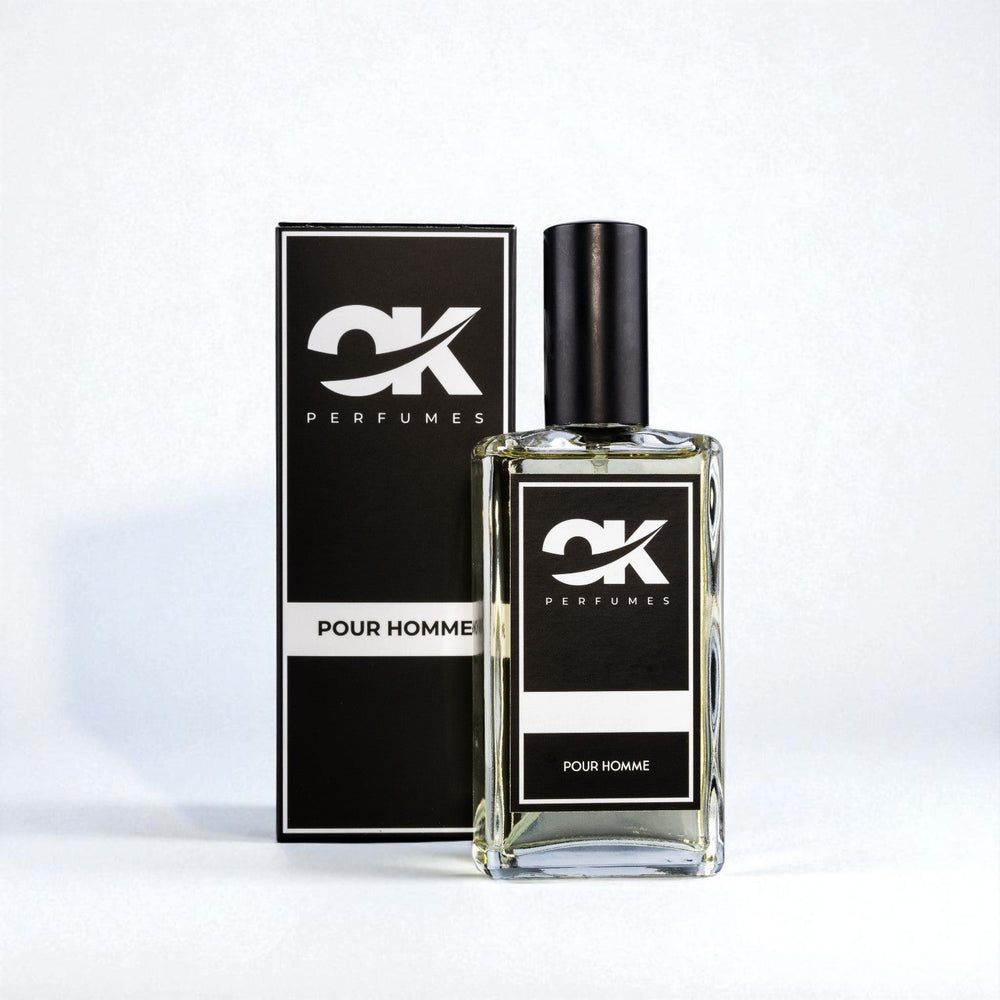
SVG - Reminiscent of Dior's Sauvage
SVG - Reminiscent of Dior's Sauvage is an equivalent perfume that offers a fragrance inspired by Dior's Sauvage. This product stands out for its durability and its ability to attract the attention of those around you, making it an ideal choice for social occasions. With SVG, you can enjoy an essence that subtly yet effectively enhances your presence.
View product





Leave a comment