





The fascinating history of perfume: from antiquity to today
Summary
The history of perfume spans from its origins in ancient civilizations like Egypt and Mesopotamia, through its evolution during the Renaissance and the rise of commercial perfumery in the 20th century, to contemporary trends of sustainability and personalization in the 21st century. Perfumery reflects culture and identity, becoming an expression of style and personality today.
Table of Contents
- The Origins of Perfume in Antiquity
- Egypt: Land of Fragrances
- Mesopotamia and the Ancient World
- The Renaissance: A Rebirth of Fragrances
- The Influence of the French Court
- The Birth of Modern Fragrances
- The 20th Century and the Era of Commercial Perfumery
- Fragrance Advertising and Marketing
- Prices and Accessibility
- Perfumery in the 21st Century
- New Fragrance Trends
- The Influence of Social Media
- The Future of Perfumery
- The Importance of Olfactory Education
- A World of Scents to Discover
Key Takeaways
- Ancient Origins: The use of perfumes dates back to civilizations such as Egypt and Mesopotamia, where they were used in religious ceremonies and sacred rituals.
- Development in Egypt: The Egyptians perfected essence extraction techniques, making perfumes symbols of status and wealth.
- Renaissance of Perfumery: During the Renaissance, alchemists experimented with substances, refining perfume production.
- France as Epicenter: The court of Louis XV established France, especially Grasse, as the world capital of perfumery.
- 20th Century Revolution: Brands began to market perfumes as symbols of luxury, boosting their popularity through creative advertising.
- Modern Trends: Personalization, the use of natural ingredients, and the creation of unisex fragrances are key trends in modern perfumery.
- Impact of Social Media: Platforms like Instagram and TikTok have transformed how fragrances are promoted and consumed.
From time immemorial, the art of perfumery has captivated the human imagination. From offerings in ancient temples to sophisticated modern perfumes, the history of perfume is a fascinating journey that reflects the evolution of our culture and our senses. In this article, we will explore the history of perfume, its evolution over the centuries, and how it has become an expression of personality and style in the contemporary world.
The Origins of Perfume in Antiquity
The history of perfume dates back to very ancient civilizations. The first evidence of the use of aromatic substances comes from Egypt, where they were used for religious ceremonies and embalming. The Egyptians believed that aromas had divine properties and, therefore, offered incense and other perfumes to the gods.
Egypt: Land of Fragrances
In Egypt, the use of perfumes became a symbol of status and wealth. Noblewomen used aromatic oils to beautify themselves and to attract the gods. At the same time, the Egyptians developed techniques for extracting essences from flowers, plants, and spices, laying the foundation for what we know today as perfumery.
Mesopotamia and the Ancient World
In Mesopotamia, rituals were performed with perfumed oils that were considered sacred. The first perfume formulas were written on clay tablets, meaning that perfumery had not only an aesthetic role but also a cultural and religious one. Greek and Roman civilizations adopted these traditions and added their own touch to the mix, using perfumes for personal care and in their banquets.
The Renaissance: A Rebirth of Fragrances
Over the centuries, the art of perfumery continued to evolve, but it was during the Renaissance that a remarkable rebirth occurred. Alchemists began experimenting with different substances, leading to a more refined production of perfumes. This era also marked the transition to the perfumery industry as we know it today.
The Influence of the French Court
France, in particular, became the epicenter of European perfumery. The court of Louis XV encouraged the use of fragrances, making them an essential part of fashion during that period. In this context, names like Grasse emerged as leaders in the production of aromas, establishing the region as the world capital of perfumery.
The Birth of Modern Fragrances
With the rise of industrialization in the 19th century, perfumery took a leap forward. Scientific techniques began to be used for the synthesis of aromatic compounds, allowing for the creation of perfumes with unimaginable scents. The creation of iconic fragrances, some of which still endure, became possible. The history of perfume was rewritten, and aromatics began to become more accessible.
The 20th Century and the Era of Commercial Perfumery
The 20th century witnessed a revolution in how perfumes were perceived and consumed. Brands began to market their fragrances as symbols of status and luxury. This era saw the emergence of major fashion houses that launched their own perfume lines, such as Eau Sauvage Dior, which became a must-have for those who wanted to make their mark.
Fragrance Advertising and Marketing
Advertising played a crucial role in how perfumes were perceived by the public. Through creative campaigns, perfumes began to be associated with emotions and sensations, creating a more intimate bond between the consumer and the fragrance. This helped more people become interested in fragrances and elevated the perception of their value in the market.
Prices and Accessibility
As the industry grew, so did the diversity of options. The price of perfumes varied enormously, from luxury fragrances from fashion houses to more affordable alternatives. This variety allowed people from different socioeconomic strata to access fragrances, expanding the market and solidifying their popularity.
Perfumery in the 21st Century
As we enter the 21st century, perfumery continues to evolve. Sustainability and ethics have become increasingly important themes in fragrance production. Brands are adopting more responsible and environmentally sustainable practices, which influences how they craft their products.
New Fragrance Trends
- Personalized Fragrances: Personalization has become a key trend. Consumers seek unique and exclusive experiences that reflect their individual identity.
- Natural Ingredients: Increasingly, people prefer perfumes made with natural ingredients, avoiding synthetics that can be harmful.
- Unisex Perfumes: The gender barrier in fragrances is disappearing. Brands are creating perfumes that can be enjoyed by everyone, regardless of gender.
The Influence of Social Media
Social media has changed how perfumes are marketed and consumed. Platforms like Instagram and TikTok allow brands to reach a wider audience and establish more personal connections with consumers. Influencers play an important role in promoting new fragrances, helping to boost their popularity.
The Future of Perfumery
As we move forward, the future of perfumery looks exciting. Technology continues to influence the industry, with advancements such as artificial intelligence helping perfumers create even more complex and unique fragrances. The possibilities are endless, and the desire to experience original aromas will remain strong among consumers.
The Importance of Olfactory Education
To continue enjoying and appreciating the art of perfumery, it is crucial to educate consumers about different notes and olfactory profiles. Knowing the ingredients and their combinations allows users to select fragrances that resonate with their personality and lifestyle.
A World of Scents to Discover
The history of perfume is a story of innovation, culture, and passion. From ancient rituals to modern fragrances, the journey of perfume has been full of transformations. When opening a bottle of perfume, one is not just applying a fragrance to the skin; one is connecting with centuries of history and tradition. So dare to explore the world of aromas and discover the fragrance that best reflects your essence!
Glossary
| Term | Meaning |
|---|---|
| Perfumery | The art of creating fragrances from aromatic substances. |
| Incense | An aromatic substance used in religious ceremonies. |
| Alchemy | An ancient practice that sought to transform substances, including perfumes. |
| Fragrance | A pleasant smell produced by mixtures of aromatic compounds. |
| Grasse | A French region recognized as the capital of perfumery. |
| Personalization | Adapting perfumes to the individual preferences of the consumer. |
| Natural Ingredients | Components derived from nature used in fragrances. |
| Unisex | Fragrances designed to be worn by any gender. |
| Marketing | Strategies to promote and sell perfumes to the public. |
| Olfactory Education | Process of learning about fragrance notes and profiles. |
Linked product

ESV - Reminiscent of Eau Sauvage (1966) by Dior
The ESV perfume - Reminiscent of Eau Sauvage (1966) by Dior offers a masculine scent that combines citrus notes and a soapy touch, ideal for warm and temperate climates. Its aseptic and professional character makes it suitable for daily use, providing a serious and formal style. This perfume is an interesting option for those looking for a fragrance that stands out without being aggressive.
View product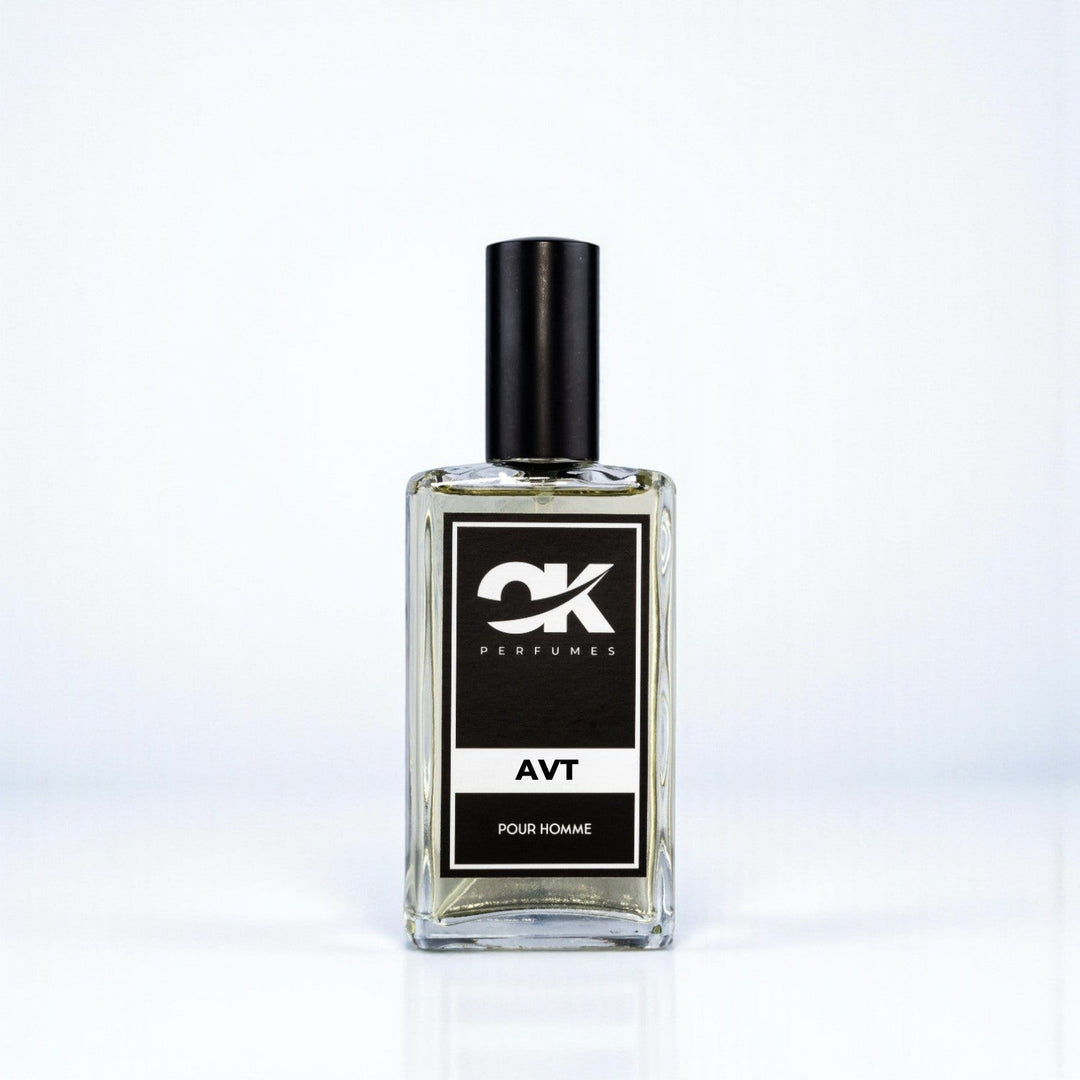





Leave a comment