


Discover the History of Perfumes: An Aromatic Journey
Summary
Perfumes have been a fundamental part of humanity since ancient times, evolving from Egyptian rituals to modern fragrances. This article explores their rich history, changes in their use across civilizations, the 19th-century industry revolution, and current diversification, including niche perfumery. Additionally, it addresses myths about their use and tips for choosing the perfect fragrance. The future of perfumery is oriented towards sustainability and technological innovation.
Table of contents
- The Origins of Perfume
- Perfumes in Ancient Greece and Rome
- The Middle Ages and the Rebirth of Fragrances
- The Renaissance and Innovation
- 19th and 20th Centuries: The Revolution of Modern Perfumes
- The Rise of Famous Perfumers
- The Diversification of Fragrances in the 21st Century
- Niche Perfumery and Luxury Brands
- Iconic Fragrances of Today
- The Importance of Perfume in Personal Identity
- Myths and Realities about the Use of Perfumes
- How to Choose the Perfect Fragrance?
- The Future of Perfumery
- A Scent for Everyone
Key takeaways
- The Egyptians were pioneers in the use of perfumes, using them in rituals and religious ceremonies since ancient times.
- In Ancient Greece and Rome, perfumes symbolized luxury and status, being an integral part of daily life and celebrations.
- The Middle Ages saw a decline in perfumery due to religious restrictions, but alchemists revived interest in fragrances.
- The Renaissance marked the beginning of the modern perfume industry, with the creation of the first commercial perfumes and complex blends.
- The 19th century brought significant innovations in distillation, allowing for the creation of iconic fragrances that endure to this day.
- Niche perfumery has gained popularity recently, offering unique and personalized fragrances that stand out for their quality.
- Choosing a perfume is a personal act, as it can evoke memories and feelings, becoming part of a person's identity.
Perfumes have accompanied humanity since time immemorial, being a fundamental part of our cultures and traditions. Through this article, we will explore the rich history of perfumes and their evolution over the centuries. From fragrances used in ancient rituals to exclusive contemporary scents, we invite you to immerse yourself in this fascinating journey through time.
The Origins of Perfume
The history of perfume dates back to ancient civilizations. It is believed that the Egyptians were the first to use perfumes for ritual and ceremonial purposes. Egyptian priests used essential oils and countless aromatic essences to embalm the dead and make offerings to the gods.
Perfumes in Ancient Greece and Rome
In Ancient Greece, the use of perfumes was a symbol of luxury and status. The Greeks used essences of flowers, herbs, and spices, creating fragrances that resonated with their philosophy of beauty and balance. It is said that even Greek philosophers reflected on the art of perfumery as an expression of human creativity.
Roman culture adopted and expanded the use of perfumes. They were used in daily life, from baths to celebrations. Roman high society could not imagine a party without the presence of captivating aromas. The influence of these ancient peoples is still felt today in the fragrances we choose.
The Middle Ages and the Rebirth of Fragrances
During the Middle Ages, perfumery underwent a significant change. Due to religious restrictions, many practices related to the use of perfumes were dismissed. However, the arrival of alchemists brought a new focus on fragrances and their properties. Alchemists began experimenting with different ingredients and techniques, leading to the creation of more complex perfumes.
The Renaissance and Innovation
The Renaissance marked the rebirth of the art of perfumery. The upper class began to develop a renewed interest in fragrances, which led to the creation of the first commercial perfumes. During this era, the foundations of what we now know as the perfume industry began to be laid. The most popular fragrances were those made from flowers, spices, and precious woods, and manufacturers began to experiment with more elaborate blends.
19th and 20th Centuries: The Revolution of Modern Perfumes
The 19th century brought a true revolution to the fragrance industry. The invention of modern distillation allowed for the purest and most efficient extraction of aromatic ingredients. Thus, the first perfume houses began to emerge, such as Eau Sauvage Dior, which left an indelible mark on the world of fragrances. The creation of perfumes transformed into an art form, giving life to iconic fragrances that still endure.
The Rise of Famous Perfumers
Following the turn of the 20th century, the golden age of perfumes began. Famous perfumers appeared, such as Ernest Beaux and François Coty, who revolutionized the way perfumes were created and presented to the public. Elaborate bottles, innovative advertising, and the use of fragrances in cinema and fashion contributed to the cult status of certain perfumes. Brands began to compete with each other to create the best fragrances, leading to memorable launches and the diversification of the industry.
The Diversification of Fragrances in the 21st Century
Today, the perfume industry is an immense market that encompasses an endless variety of scents. The diversity of styles and compounds allows each person to find a fragrance that resonates with their personality. From fresh and citrus notes to intense and spicy aromas, the possibilities are endless.
Niche Perfumery and Luxury Brands
In recent years, the trend of niche perfumery has emerged, where small, artisanal brands produce unique and high-quality fragrances. These perfume houses focus on creating masterpieces that reflect creativity and authenticity. This evolution towards exclusivity and personalization has captured the attention of perfume lovers, who seek novelty and exclusivity in their collections.
Iconic Fragrances of Today
Within this modern context, re-mentioning the perfume Eau Sauvage Dior is relevant. This fragrance has been a symbol of elegance and sophistication since its launch. It combines fresh and woody notes, making it a choice that has captivated multiple generations. The advantages of choosing iconic perfumes go beyond aesthetics, as they provide an emotional and cultural connection.
The Importance of Perfume in Personal Identity
For many, perfume has become an extension of their identity. Choosing a fragrance is, in many cases, a deeply personal act. The best fragrances are those that manage to evoke feelings and memories, becoming an inescapable part of our daily lives. A simple cloud of aroma can transport us to special moments; this is what makes a fragrance truly memorable.
Myths and Realities about the Use of Perfumes
Throughout history, numerous myths about perfumes have circulated which, while interesting, deserve to be debunked. Here are some of those common myths:
- Perfumes should only be applied to pulse points: While it is true that these points can intensify the aroma, fragrances can be applied anywhere on the body.
- Fragrances are only for special occasions: There are no strict rules about when or how to use a perfume. In reality, you can enjoy your favorite fragrance at any time.
- Branded perfumes are necessarily better: While many brands offer excellent products, there are wonderful alternatives in the niche perfumery realm that should not be overlooked.
How to Choose the Perfect Fragrance?
Choosing the ideal fragrance can be a challenge, especially given the vast market available. Here are some tips to help you make your decision:
- Know your preferences: Reflect on the aromas that most attract you. Do you prefer something fresh, floral, oriental, or woody?
- Try before you buy: Whenever possible, test the perfume on your skin to see how it develops with your body chemistry.
- Consider the occasion: Not all fragrances are suitable for all situations, so choose according to the context.
The Future of Perfumery
As we move into the future, the perfumery industry continues to evolve and innovate. Sustainability is becoming a crucial aspect, and many brands are exploring ways to create perfumes that are environmentally friendly and use ethically sourced ingredients.
Furthermore, technology is also playing an important role in the world of fragrances. From artificial intelligence that helps create new scent combinations to online shopping experiences that allow consumers to explore and discover their ideal fragrances from the comfort of their home, the future is exciting for perfume lovers.
A Scent for Everyone
The journey through the history of perfumes reminds us that these aromatic elixirs can connect people on multiple levels. There is an entire world waiting to be discovered, full of fragrances that reflect cultures, stories, and personal sensation. So go out and find the fragrance that not only makes you feel good, but also connects you with the rich history of perfumery!
Glossary
| Term | Meaning |
|---|---|
| Perfume | Fragrance created from essential oils and aromatic compounds. |
| Alchemy | Ancient practice of transforming materials, including the creation of perfumes. |
| Fragrance | Pleasant smell produced by mixing different essences. |
| Perfumer | Professional who creates and develops perfumes. |
| Perfume industry | Commercial sector dedicated to the production and sale of perfumes. |
| Niche perfumery | Market segment that offers exclusive and artisanal fragrances. |
| Notes | Olfactory components of a perfume that are perceived at different stages. |
| Ritual | A ceremonial practice that may include the use of perfumes. |
| Packaging | Design and presentation of perfume bottles. |
| Sense of smell | The sense responsible for perceiving smells. |
Linked product

ESV - Reminiscent of Eau Sauvage (1966) by Dior
ESV - Reminiscent of Dior's Eau Sauvage (1966) offers a masculine scent with a unique blend of citrus notes and a clean, soapy touch, ideal for daytime occasions in warm climates. Its olfactory profile, evoking a classic barbershop style, provides a serious and professional character, perfect for those seeking a distinctive and subtle fragrance. This perfume stands out for its originality, moving away from typical summer scents and providing a more mature freshness.
View product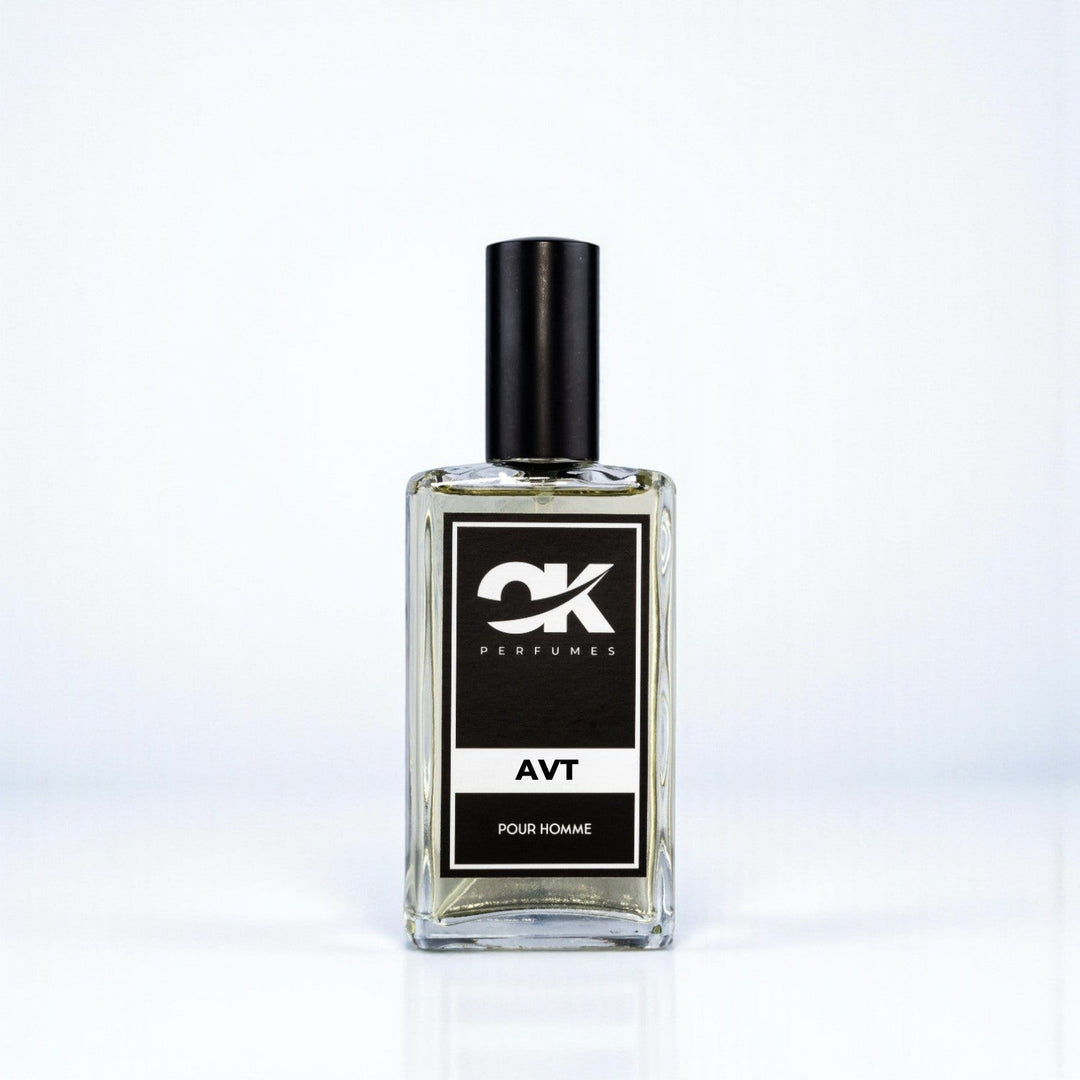





Leave a comment