






The Fascinating History of Perfumery Through Time
Summary
Perfumery has been an essential part of human culture since ancient times, with uses in rituals and for social status. From the Egyptians to the Renaissance and today, it has evolved in techniques, ingredients, and trends, reflecting the cultural and emotional identity of societies. Today, personalization, sustainability, and the connection between fragrances and human experiences are highlighted.
Table of Contents
- The First Scents in Antiquity
- Perfumery in Egypt
- The Legacy of Perfumery in Ancient Greece and Rome
- The Importance of Fragrance in Rituals
- The Middle Ages and the Renaissance: A Rebirth of Scent
- Perfumery in Medieval Europe
- The 17th Century and the Revolution of Modern Perfumery
- Eau Sauvage Dior: A Milestone in the History of Perfumery
- Perfumery from the 20th Century to the Present Day
- Innovations and Progress in the Industry
- Perfumery in the 21st Century
- New Trends in Fragrances
- Culture and Perfumery: Beyond Scent
- Olfactory Rituals and Ceremonies
- On the Price of Perfumery Today
- A Tradition That Lives On
Key Takeaways
- Antiquity: Perfumery originated in civilizations such as Egypt, Sumeria, and Phoenicia, where scents played a ritual and social role.
- Egypt: In this culture, perfumes were a symbol of status and wealth, used by pharaohs and women to attract attention.
- Greece and Rome: Perfumers achieved prestige, and fragrances were used in religious ceremonies and public events.
- Middle Ages: Perfume production shifted to monasteries, where they were valued for their use in hygiene and medicine.
- Renaissance: Perfumeries were established in Paris, giving rise to iconic fragrances like eau de cologne, reflecting the quest for freshness.
- Eau Sauvage Dior: Launched in 1966, this fragrance marked a milestone in the industry, symbolizing modernity and masculine elegance.
- 21st Century: Modern perfumery focuses on sustainability, personalization, and the inclusion of unisex fragrances in the market.
Since the dawn of human civilization, perfumery has held a special place in culture and society. This olfactory art has not only been a means of beautification but has also carried deep spiritual and social significance. Through this journey, we will explore the evolution of perfumery from antiquity to the present day, highlighting the most significant milestones and their impact on the modern world.
The First Scents in Antiquity
The history of perfumery dates back thousands of years. Ancient civilizations such as the Egyptians, Sumerians, and Phoenicians already used scents in their religious rituals and daily life. The Egyptians, for example, were masters in the creation of perfumes. They used a variety of ingredients such as resins, plants, and flowers, combining them with oils to create fragrances. It was not uncommon for pharaohs to surround themselves with these aromas, which they believed brought them closer to the gods.
Perfumery in Egypt
In Egypt, perfumes were a symbol of social status and wealth. Women used fragrances to attract attention and as an essential complement to their beauty. The ancient Egyptians even made elaborate perfume bottles, which have been found in tombs and demonstrate the importance these scents held in their culture.
The Legacy of Perfumery in Ancient Greece and Rome
As civilizations advanced, perfumery also evolved. In ancient Greece, perfumers began to be considered highly prestigious artisans. They used ingredients such as amber, myrrh, and various flowers to make highly prized perfumes. The Romans, for their part, took this tradition to another level, incorporating perfumery into their lifestyle with the use of fragrances at banquets and in public life.
The Importance of Fragrance in Rituals
In both Greece and Rome, perfumes were not only a luxury; they also played an important role in religious ceremonies and rituals. The use of fragrances in temples, as well as in wedding and funeral ceremonies, reflected the spiritual connection that ancient societies had with scents.
The Middle Ages and the Renaissance: A Rebirth of Scent
During the Middle Ages, the evolution of perfumery continued despite Europe going through dark times. Aromatic ingredients were considered of great value, and perfume production moved to monasteries, where monks and nuns became expert perfumers.
Perfumery in Medieval Europe
Aromatic products were not only used for personal beautification but also as medicines and to combat illnesses. Fragrances acquired a new meaning, related to hygiene and purity, which led to their widespread use among the European nobility and bourgeoisie.
The 17th Century and the Revolution of Modern Perfumery
With the arrival of the Renaissance, perfumery underwent a significant transformation. Parfumeurs (perfumers) began to establish themselves in Paris, the fashion capital, where iconic fragrances emerged. During this time, products such as "eau de cologne" were developed, echoing the search for freshness and cleanliness in a society that was beginning to value personal aesthetics.
Eau Sauvage Dior: A Milestone in the History of Perfumery
One of the most important milestones in the history of contemporary perfumery was the launch of Eau Sauvage Dior in 1966. This fragrance not only marked a before and after in the industry but also defined modernity and elegance for masculinity. Its fresh and balanced blend of citrus and herbal notes attracted a large number of fans, and its price consolidated itself in the market as an indicator of quality and status.
Perfumery from the 20th Century to the Present Day
The 20th century witnessed a creative explosion in the world of perfumery. From perfumes with floral notes to more complex oriental combinations, the diversification of stylistic fragrances became a phenomenon. Fashion houses began to launch their own perfume lines, transforming fragrance into an accessory as much as clothing.
Innovations and Progress in the Industry
As the 20th century progressed, technology and chemistry merged in the creation of new aromas, allowing perfumers to explore a wider spectrum of ingredients. In addition, modern marketing techniques were introduced, which helped popularize various perfumes globally. Many became cultural icons, leaving an indelible mark on the industry.
Perfumery in the 21st Century
Today, perfumery has evolved even further. Digital technology has changed the way consumers access products. With a click, you can explore fragrances from all over the world. Brands are experimenting with natural and practical ingredients, and there is also a growing demand for sustainable and cruelty-free options.
New Trends in Fragrances
- Consideration for ecological and sustainable products.
- Customization of bespoke fragrances.
- Unexpected combinations that challenge traditional perfumery norms.
- Increase in unisex fragrances, reflecting market openness.
Culture and Perfumery: Beyond Scent
The relationship between perfumery and human culture is deeper than it seems. Scents can evoke memories, emotions, and experiences. In many cultures, fragrances are an integral part of celebrations and traditions, symbolizing love, joy, and sometimes, grief. Perfumery, therefore, is not only an art but a reflection of cultural identity.
Olfactory Rituals and Ceremonies
In various societies, scents have been used to mark significant moments, from weddings to rites of passage. The emotional connection between people and fragrances is undeniable, highlighting the importance of perfumery in our daily lives.
On the Price of Perfumery Today
When exploring the world of perfumery, it is important to mention the wide variation in price. A perfume can cost from a few euros to exorbitant figures. The difference in price usually depends on the quality of the ingredients, the exclusivity of the fragrance, and the brand behind the product. Eau Sauvage Dior, for example, is known not only for its quality but also for its prestige in the fashion world, which is reflected in its market price.
A Tradition That Lives On
The history of perfumery is a testament to human creativity and our pursuit of beauty and connection. From Sumerian fragrances to modern contemporary creations, the art of perfumery continues to evolve. While it has come a long way, it remains a pillar in personal and cultural expression. So the next time you choose a fragrance, remember that you are part of a millennia-old tradition that unites past and present.
Glossary
| Term | Meaning |
|---|---|
| Perfumery | The art of creating fragrances using various ingredients. |
| Aroma | A pleasant smell perceived through the sense of smell. |
| Fragrance | A combination of scents that form a perfume. |
| Rituals | Ceremonial practices that often include the use of fragrances. |
| Egypt | An ancient civilization known for its advanced use of perfumes. |
| Renaissance | A period that brought a revolution in perfume creation. |
| Eau Sauvage | An iconic Dior fragrance launched in 1966. |
| Unisex | Fragrances designed to be worn by any gender. |
| Sustainable | Products that consider environmental impact in their production. |
| Culture | A set of customs and traditions that influence the use of fragrances. |
Linked product

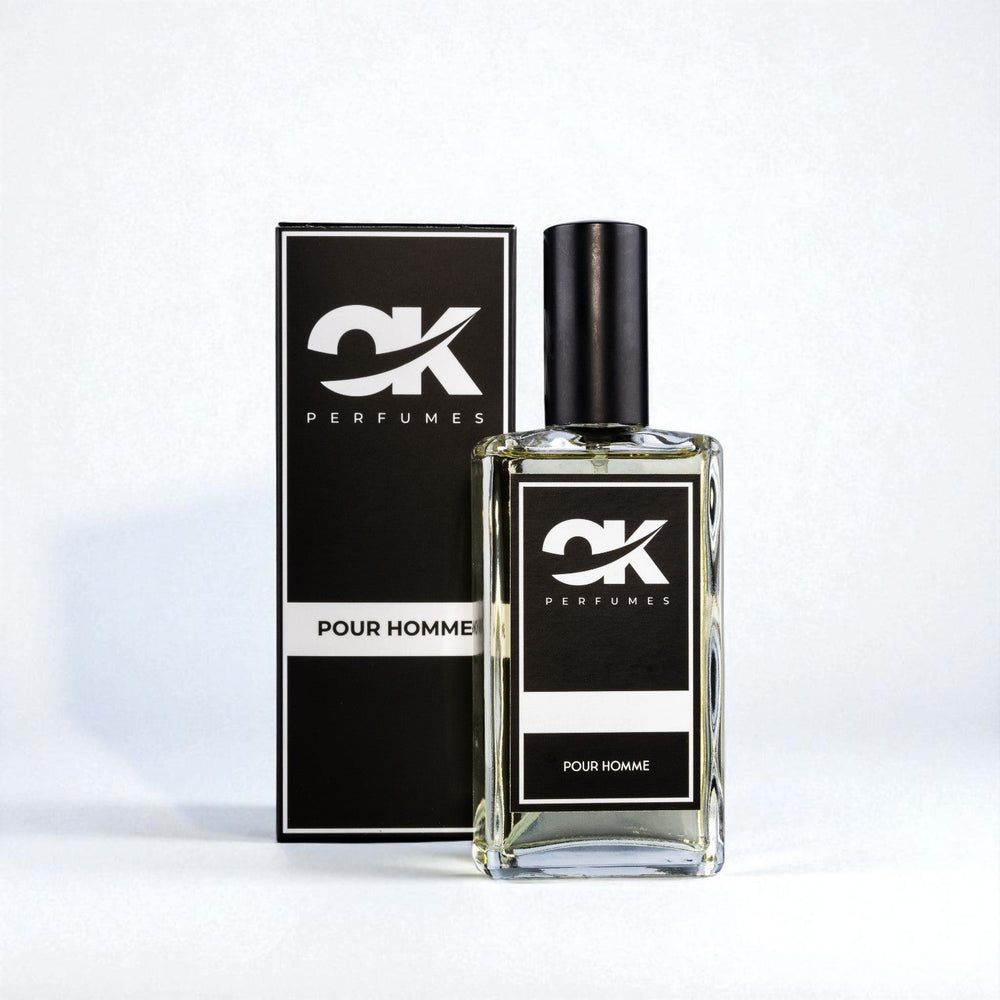
ESV - Reminiscent of Eau Sauvage (1966) by Dior
ESV - Reminiscent of Eau Sauvage (1966) by Dior offers a masculine fragrance that combines citrus notes and a hint of soapiness, creating a fresh and clean scent. Ideal for warm and temperate climates, this perfume stands out for its serious and professional character, making it an interesting option for daily use. Its olfactory profile, despite being citrusy, presents a unique nuance that moves away from the typically cheerful summer fragrances.
View product





Leave a comment