


Complete Perfume Guide: Types and Concentrations
Summary
This article explores the fascinating world of perfumes, highlighting the different concentrations (Parfum, Eau de Parfum, Eau de Toilette, Eau de Cologne, and Eau Fraîche) and their characteristics, as well as tips for choosing and preserving the right perfume. It also addresses current trends, such as sustainability and unisex fragrances. Understanding these variations will help you select the perfect fragrance for every occasion.
Table of contents
- What are perfume concentrations?
- 1. Perfume or extract of perfume (Parfum)
- 2. Eau de Parfum (EDP)
- 3. Eau de Toilette (EDT)
- 4. Eau de Cologne (EDC)
- 5. Eau Fraîche
- How to choose the right perfume?
- Fragrances and their notes
- Top notes
- Heart notes
- Base notes
- Best tips for preserving your perfume
- The art of applying fragrance
- Current trends in perfumery
- Immerse yourself in the world of perfumes
Key Takeaways
- Types of Perfume: There are different types of perfumes, including Parfum, Eau de Parfum, Eau de Toilette, Eau de Cologne, and Eau Fraîche, each with different concentrations and durations.
- Concentration and Duration: The concentration of fragrant oils affects the intensity and duration of the scent; for example, Parfum can last up to 8 hours, while Eau Fraîche only lasts 1-2 hours.
- Suitable Occasions: For formal events, Parfum or Eau de Parfum is recommended; for daily use, an Eau de Toilette is ideal.
- Fragrance Notes: Fragrances are composed of top, heart, and base notes, each with its own profile and duration on the skin.
- Perfume Preservation: Storing perfumes in a cool, dry place and keeping them sealed helps preserve their intensity.
- Effective Application: Applying perfume to pulse points and avoiding rubbing wrists enhances the olfactory experience.
- Current Trends: The perfumery industry is moving towards sustainability and unisex fragrances, offering more personalized options.
The world of perfumes is fascinating and diverse. From fresh scents to enveloping fragrances, there is a perfume for every taste and occasion. If you're looking for the perfect perfume pack, it's essential to understand the different types of perfumes and their concentrations. In this article, we'll explore everything about perfume concentrations and help you choose the best options for you.
What are perfume concentrations?
Perfume concentrations refer to the amount of fragrant oils present in a formulation. This concentration affects not only the intensity of the scent but also how long the fragrance lasts on the skin. Below, we'll break down the main types of perfumes you can find on the market.
1. Perfume or perfume extract (Parfum)
Perfume, also known as perfume extract or extrait de parfum, has the highest concentration of aromatic oils, which can reach up to 40%. This high concentration means the scent is rich and long-lasting, with a duration that can vary from 6 to 8 hours or more. A perfume pack with perfume extract is ideal for special occasions where you want to make an impression.
2. Eau de Parfum (EDP)
Eau de Parfum is another popular option, with a concentration of 15% to 20% perfumed oils. This type of perfume offers a perfect balance between quality and longevity, making it a favorite choice for daily use. Its duration ranges from 4 to 6 hours, ideal for those seeking a fragrance that is not too intense but still noticeable throughout the day.
3. Eau de Toilette (EDT)
Eau de Toilette has a lower concentration of 5% to 15%. Although not as long-lasting as Eau de Parfum, it's perfect for daily use and can be applied generously without fear of being overwhelming. Its duration is usually between 3 and 5 hours. The best EDTs are ideal for warm climates or casual activities.
4. Eau de Cologne (EDC)
With a concentration ranging between 2% and 5%, Eau de Cologne is light and refreshing. Its scent is less intense and ideal for those seeking a subtle fragrance, perfect for spring or summer. Its duration is shorter, usually 2 to 3 hours, making it suitable for touch-ups throughout the day.
5. Eau Fraîche
Finally, Eau Fraîche has the lowest concentration of all, with 1% to 3% perfumed oils. This type of fragrance is extremely light and refreshing, and is commonly used after showering or on warm days. The duration is very short, often only 1 to 2 hours.
How to choose the right perfume?
Choosing the right perfume can be a challenge, but understanding concentrations is a great first step. Here are some tips that can help you with this task:
- Consider the occasion: For formal events, an Eau de Parfum or a perfume extract is preferable. For everyday use, an Eau de Toilette may suffice.
- Consider the duration: If you need a long-lasting scent, opt for higher concentrations. If you prefer something lighter, colognes or Eau Fraîche are better options.
- Test before buying: It is always advisable to test a perfume on your skin, as it can react differently to each person.
- Think long-term: Sometimes it's better to invest a little more in a perfume pack that includes various concentrations, to be able to adapt to different situations.
Fragrances and their notes
Now that you know the concentrations, it's crucial to understand that fragrances are composed of notes that develop in layers. Generally, the notes of a perfume are classified into three categories: top notes, heart notes, and base notes.
Top notes
Top notes are the first to be perceived when applying a perfume, and they are generally fresh and light. These notes usually include citrus, herbs, and fruits. Their role is to capture attention and give the first impression of the scent. However, they are the first to evaporate, usually within the first 30 minutes.
Heart notes
Heart notes emerge once the top notes have evaporated. These notes are usually more complex and can include flowers, spices, or ripe fruits. The duration of heart notes can vary between 30 minutes and 2 hours. They play a fundamental role in the overall perception of the fragrance.
Base notes
Base notes are those that last the longest, often remaining on the skin for several hours or even a whole day. These notes are usually deeper and richer, such as woods, amber, or musk. Although they are not the first notes to be perceived, they are crucial to the overall perfume experience.
Best tips for preserving your perfume
There's nothing more frustrating than a perfume losing its intensity. Here are some tips to preserve it optimally:
- Storage: Store your perfumes in a cool, dry place, away from direct sunlight and extreme temperatures. A dark closet or drawer is ideal.
- Do not shake the bottle: Doing so can introduce air into the liquid, which could affect the fragrance.
- Keep the bottle closed: Although you may use it daily, try not to leave it open as this allows the evaporation of essential oils, reducing its potency.
- Avoid contact with hand skin: When applying perfume, spray it directly onto your skin instead of the cap or bottle to maintain the purity of the scent.
The art of applying fragrance
The way you apply your perfume can influence how it develops throughout the day. Here are some tips for effective application:
- Pulse points: Apply perfume to pulse points such as wrists, behind the ears, and on the décolletage. These areas emit heat and help diffuse the scent.
- Do not rub: After applying, avoid rubbing your wrists, as this can alter the fragrance's composition.
- Layers: Consider using bath products that match your perfume to create a more complete olfactory experience.
Current trends in perfumery
The world of perfumes is constantly evolving. Current trends include a more sustainable approach, with a greater emphasis on natural ingredients and ecological packaging. Many brands are opting to create perfume packs that are environmentally friendly and use ingredients derived from responsible sources.
In addition, unisex fragrances are gaining popularity, allowing people to choose scents that resonate with their personal identity, regardless of traditional genders. This versatile approach is transforming the industry and offering more options to consumers.
Immerse yourself in the world of perfumes
Knowing the different types of perfumes and their concentrations will allow you to make more informed decisions when choosing your fragrances. Remember that a good perfume pack can transform your daily routine and help you express your personality. Explore, experiment, and enjoy the art of perfumery! This way, you can find the best options that suit you and add a special touch to each of your days.
Glossary
| Term | Meaning |
|---|---|
| Perfume | Fragrance with a high concentration of oils, up to 40%. |
| Eau de Parfum (EDP) | Fragrance with 15% to 20% oils, ideal for daily use. |
| Eau de Toilette (EDT) | Fragrance with 5% to 15% oils, suitable for warm climates. |
| Eau de Cologne (EDC) | Light fragrance with 2% to 5% oils, short duration. |
| Eau Fraîche | Very light fragrance with 1% to 3% oils, brief duration. |
| Top notes | First perceived notes, fresh and light. |
| Heart notes | Notes that emerge after the top notes, more complex. |
| Base Notes | Long-lasting notes that remain on the skin for hours. |
| Preservation | Methods to maintain the perfume's intensity. |
| Application | Way to use perfume to maximize its effect. |
Linked product

PACK 6x15 mL - Perfumes you must try
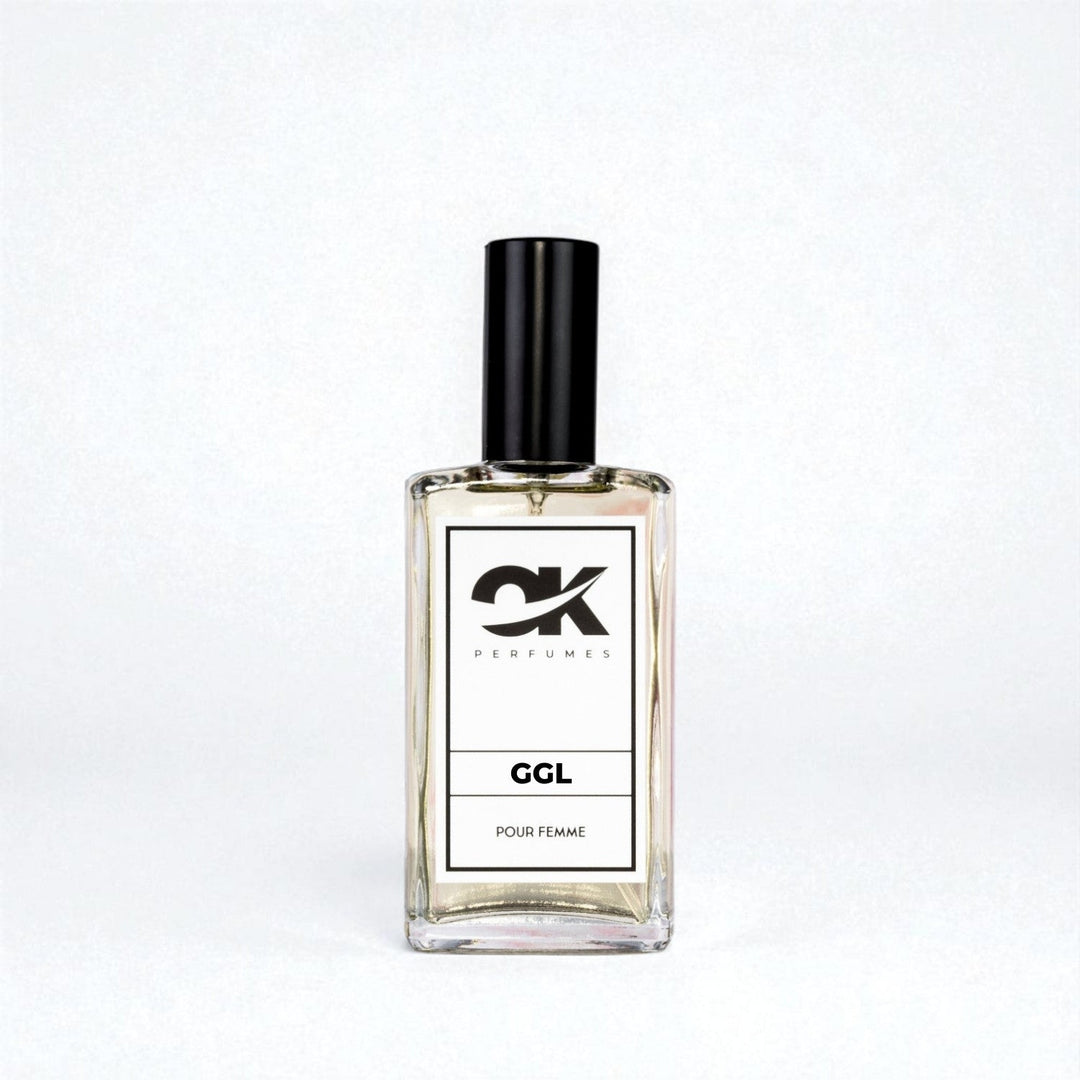
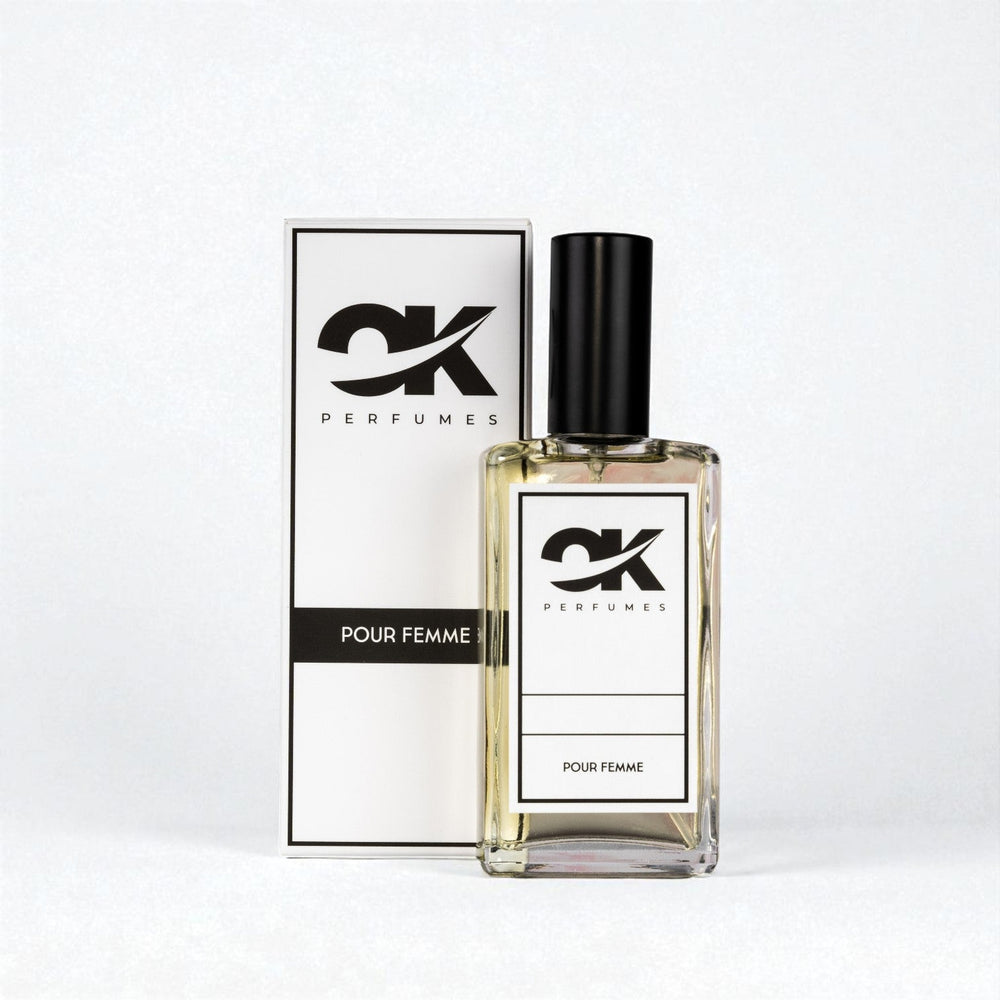
The 6x15 mL PACK offers a variety of fragrances inspired by popular perfumes, allowing users to explore different scents in a practical format. Each 15 mL bottle is ideal for those who want to experiment with various options without committing to a full size. This set is perfect for those looking to expand their perfume collection or find their new favorite fragrance.
View product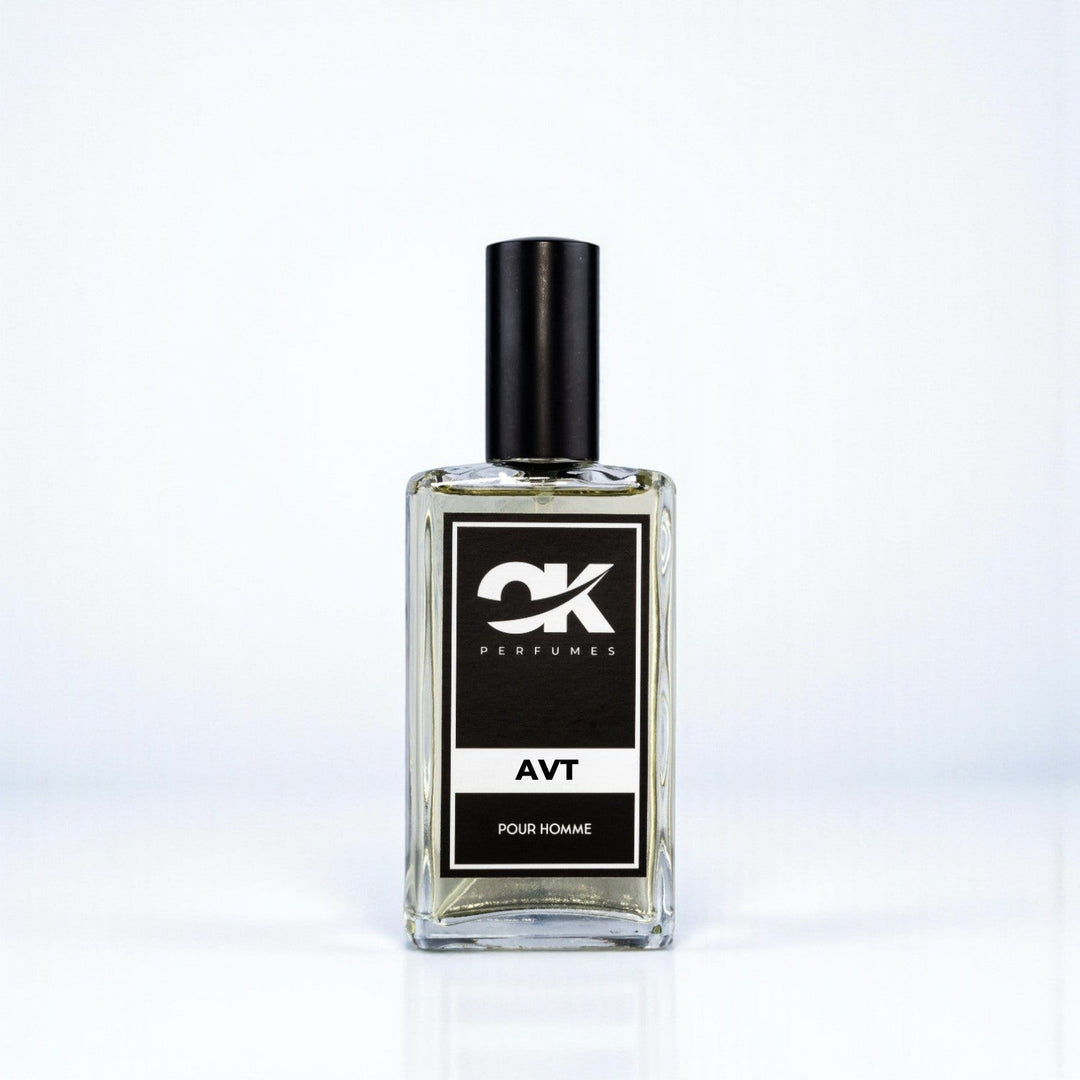





Leave a comment